Common Toxic Plants Every Dog Owner Should Know About
As the weather warms up and garden centres fill with colourful flowers and greenery, many of us are eager to refresh our yards, patios, and homes with new plants. Unfortunately, some of the most popular spring and summer plants can be highly toxic to dogs — and many pet owners don’t realize the danger until it’s too late.
Whether you have a curious puppy who samples everything or an older dog who enjoys lounging in the garden, it’s important to know which plants pose the biggest risks.
Why Dogs Eat Plants
Dogs explore the world with their mouths. Some nibble grass out of boredom, curiosity, or upset stomachs, while others simply enjoy chewing leaves and flowers. Even well-trained dogs can suddenly decide a new plant looks interesting.
The problem is that many toxic plants can cause symptoms ranging from mild stomach upset to organ failure — and in severe cases, can become life-threatening.
Here are some of the most common toxic plants dog owners should watch for this gardening season.
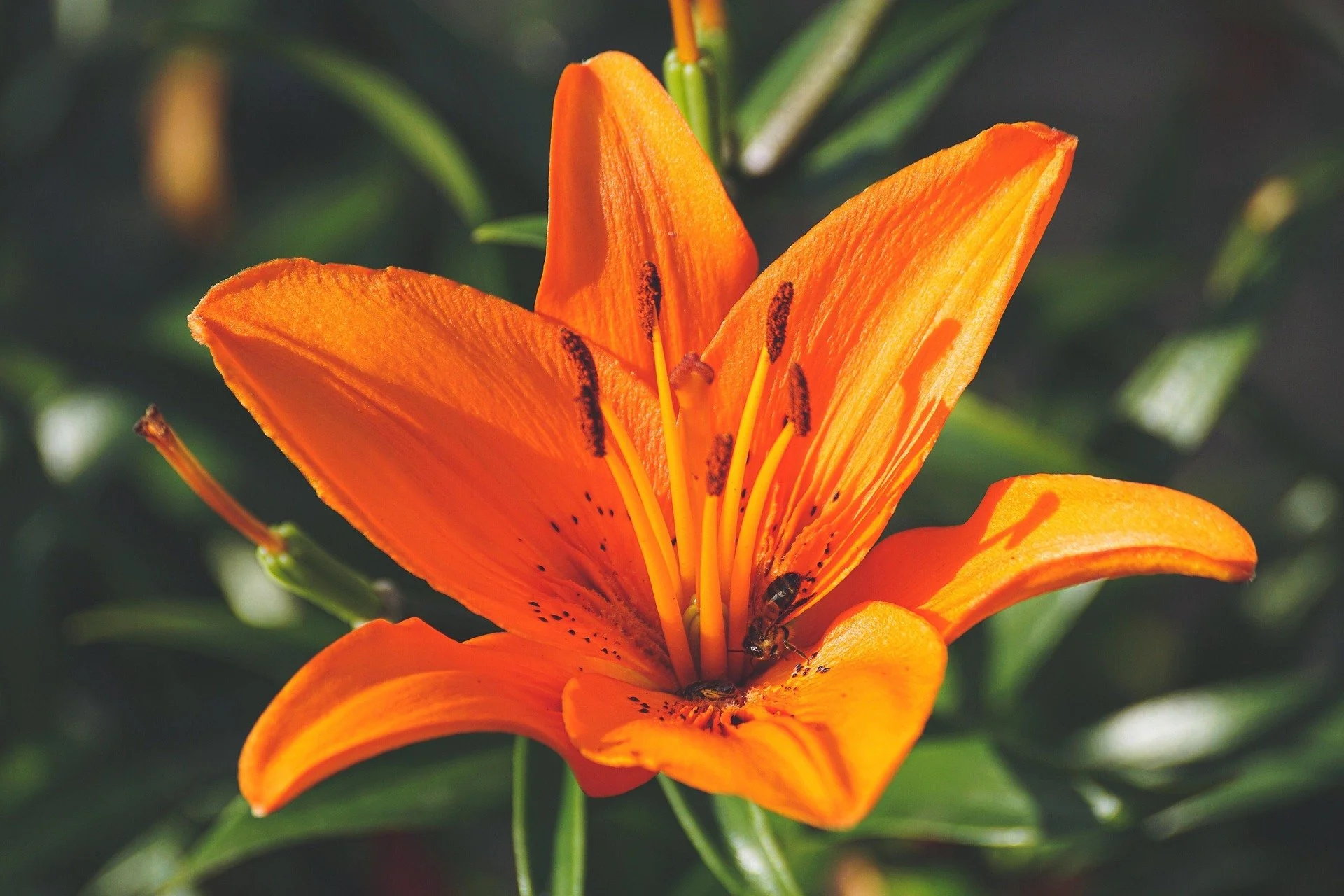
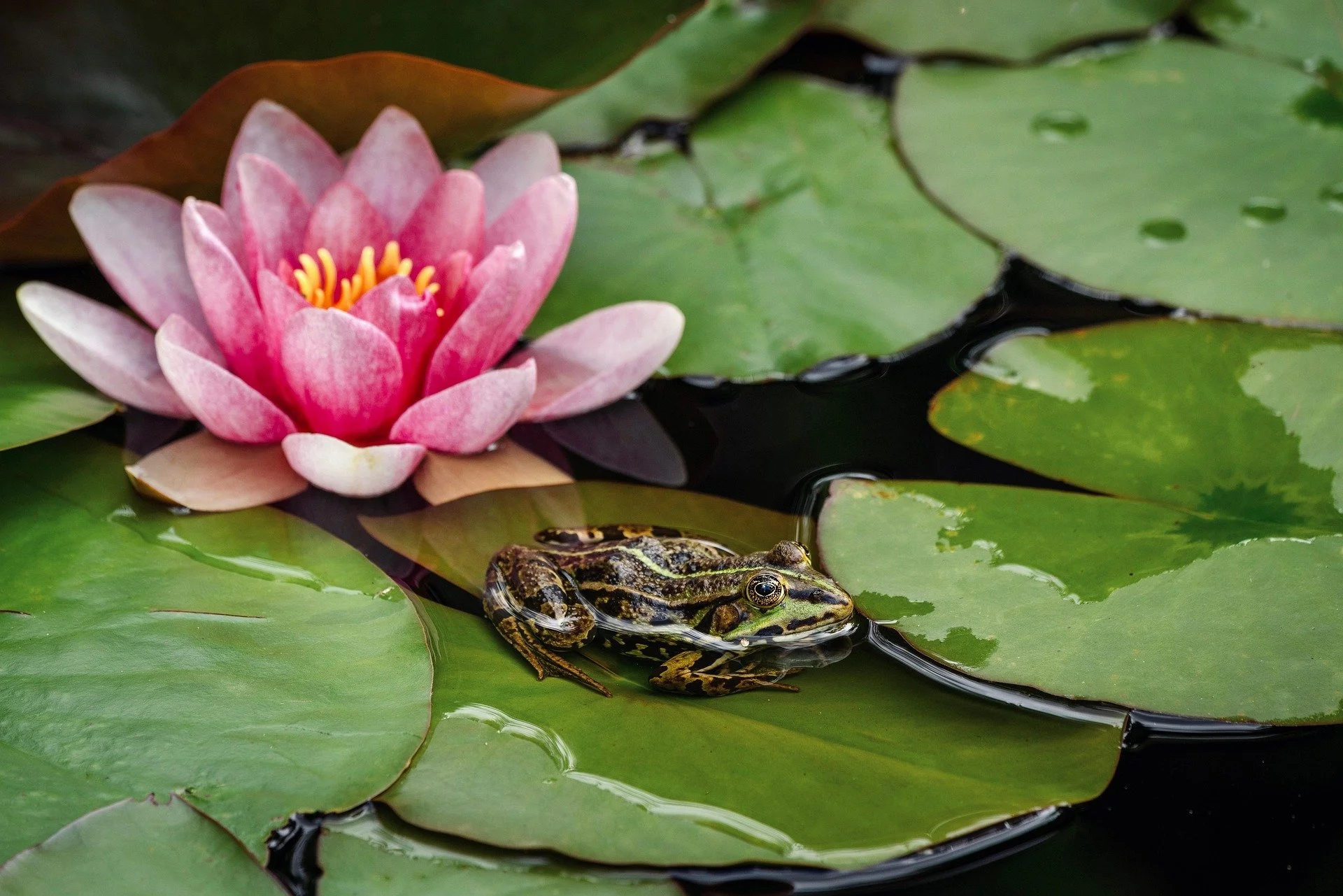
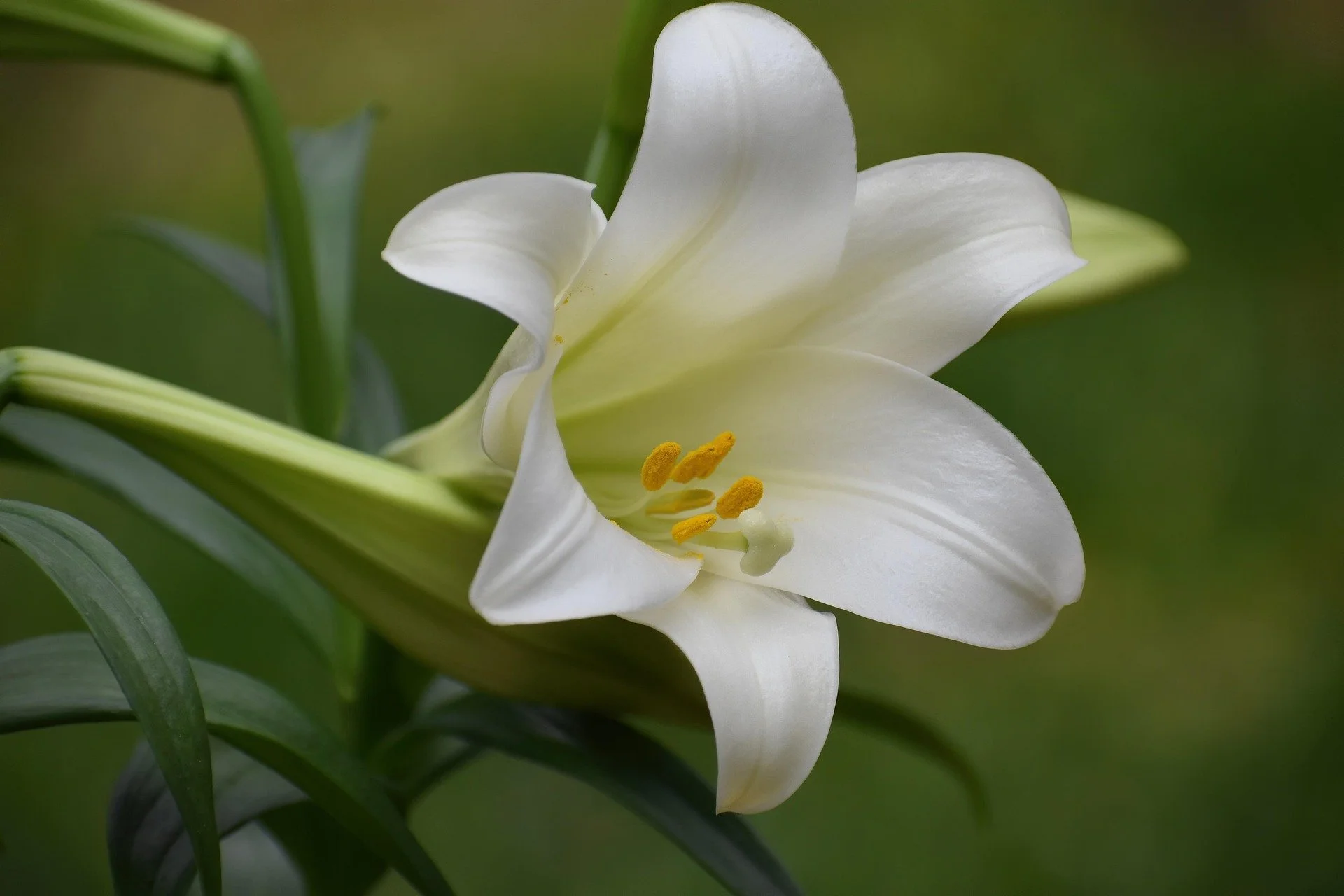
Lilies
Lilies are often associated with cats, but certain varieties can also make dogs quite ill. While dogs typically don’t experience the same kidney failure risk cats do, ingestion can still cause serious gastrointestinal upset.
Symptoms may include:
Vomiting
Diarrhea
Drooling
Loss of appetite
Because there are many different types of lilies, it’s safest to keep them out of homes and gardens shared with pets.
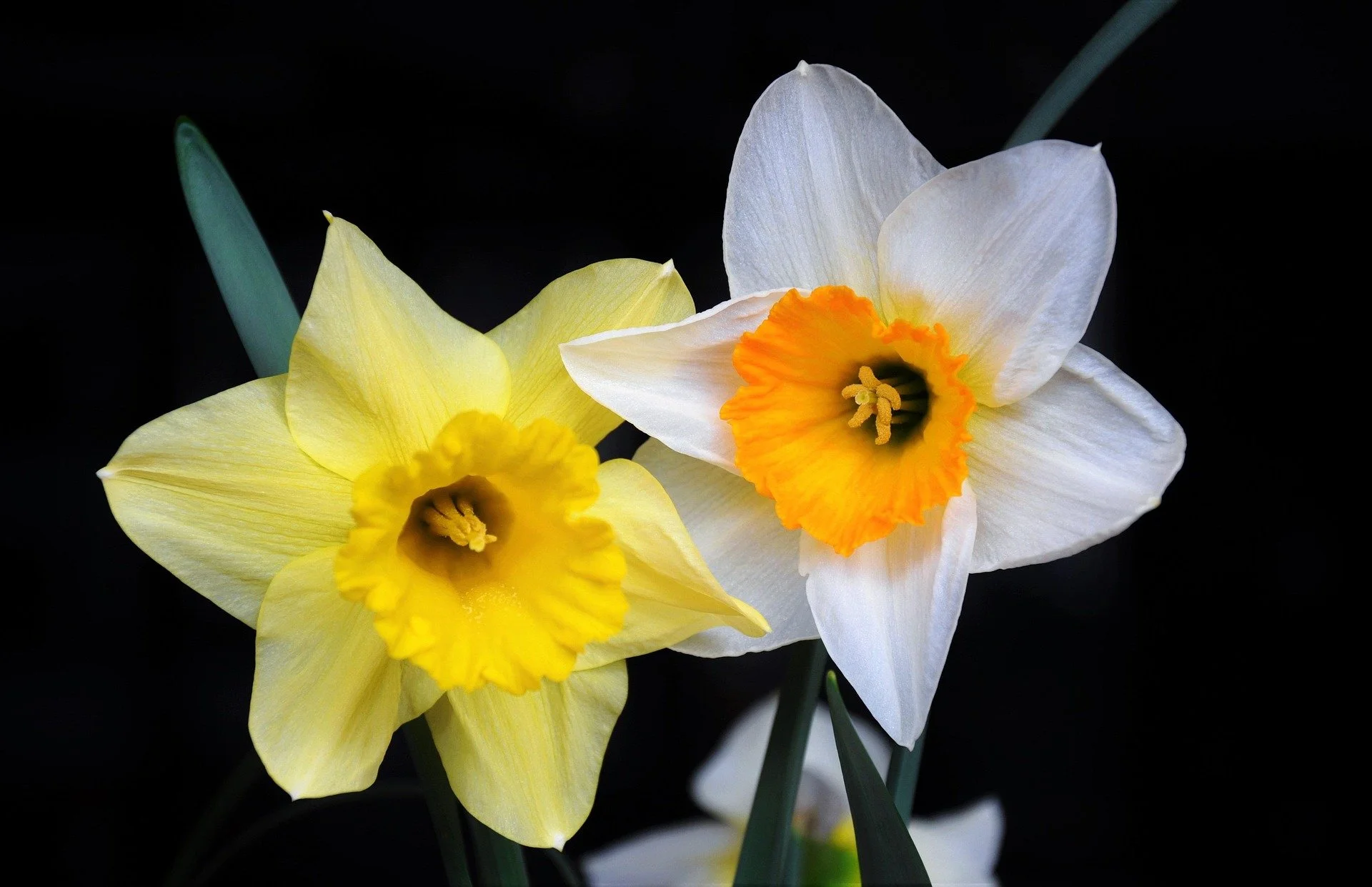
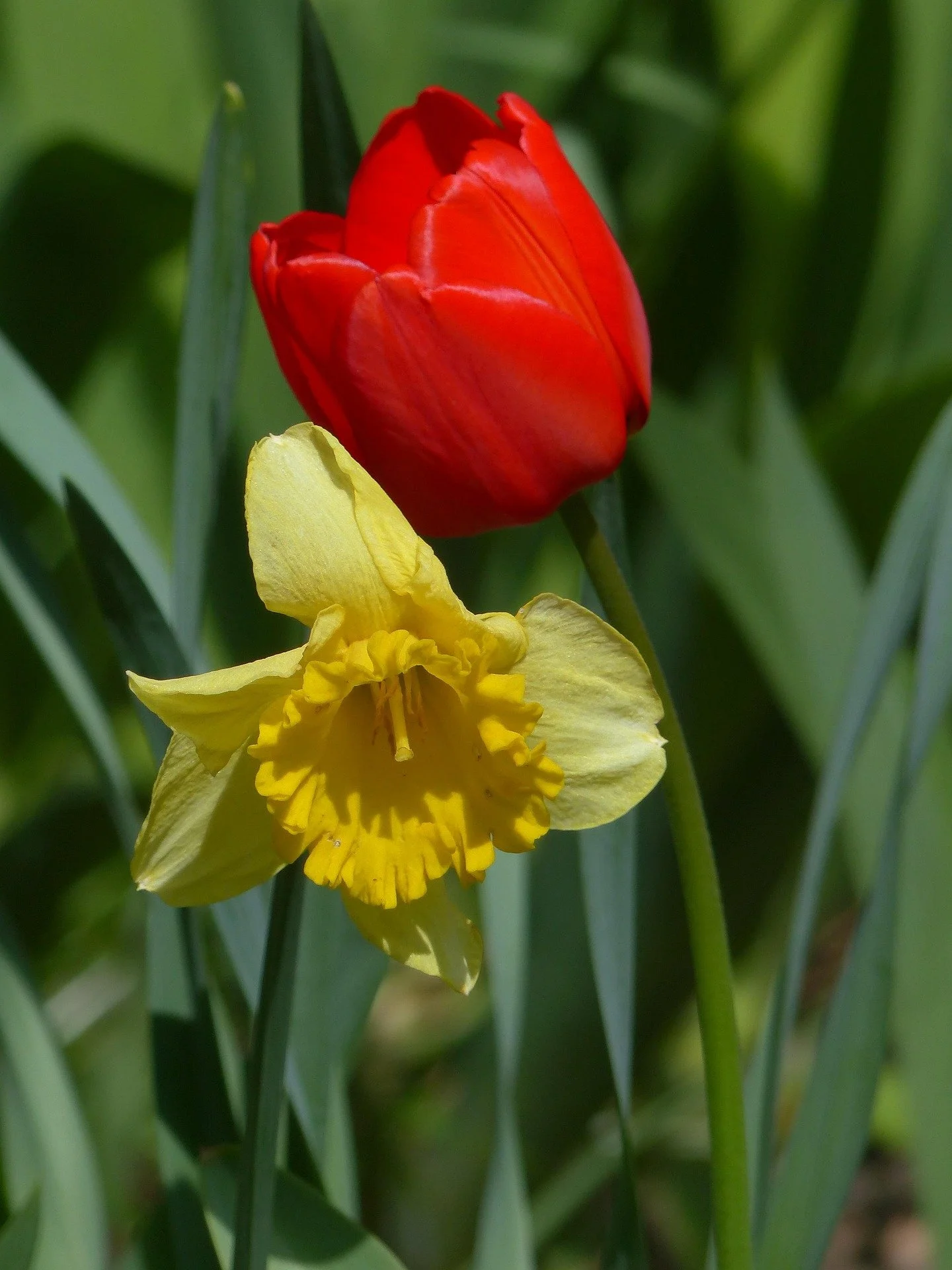
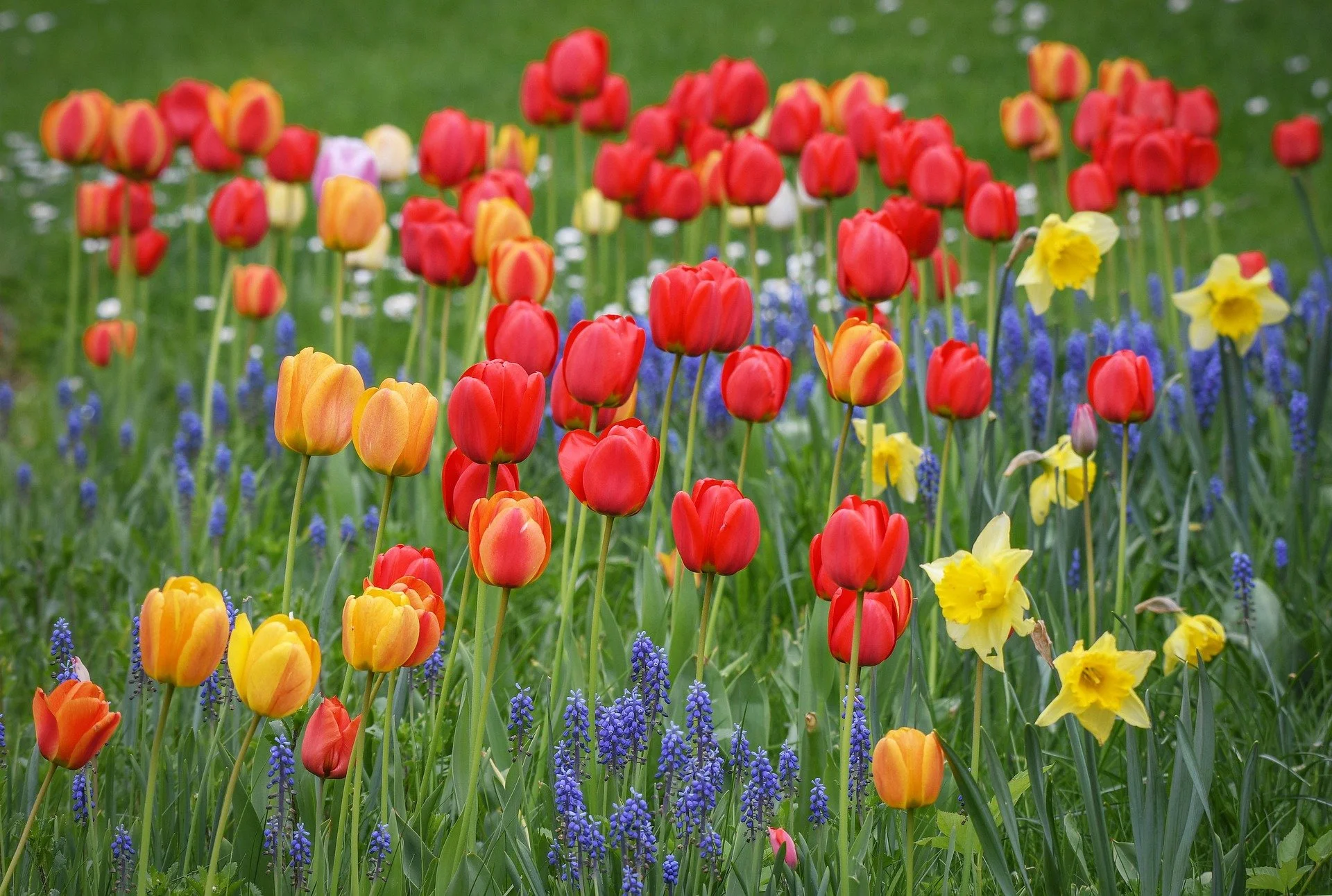
Tulips & Daffodils
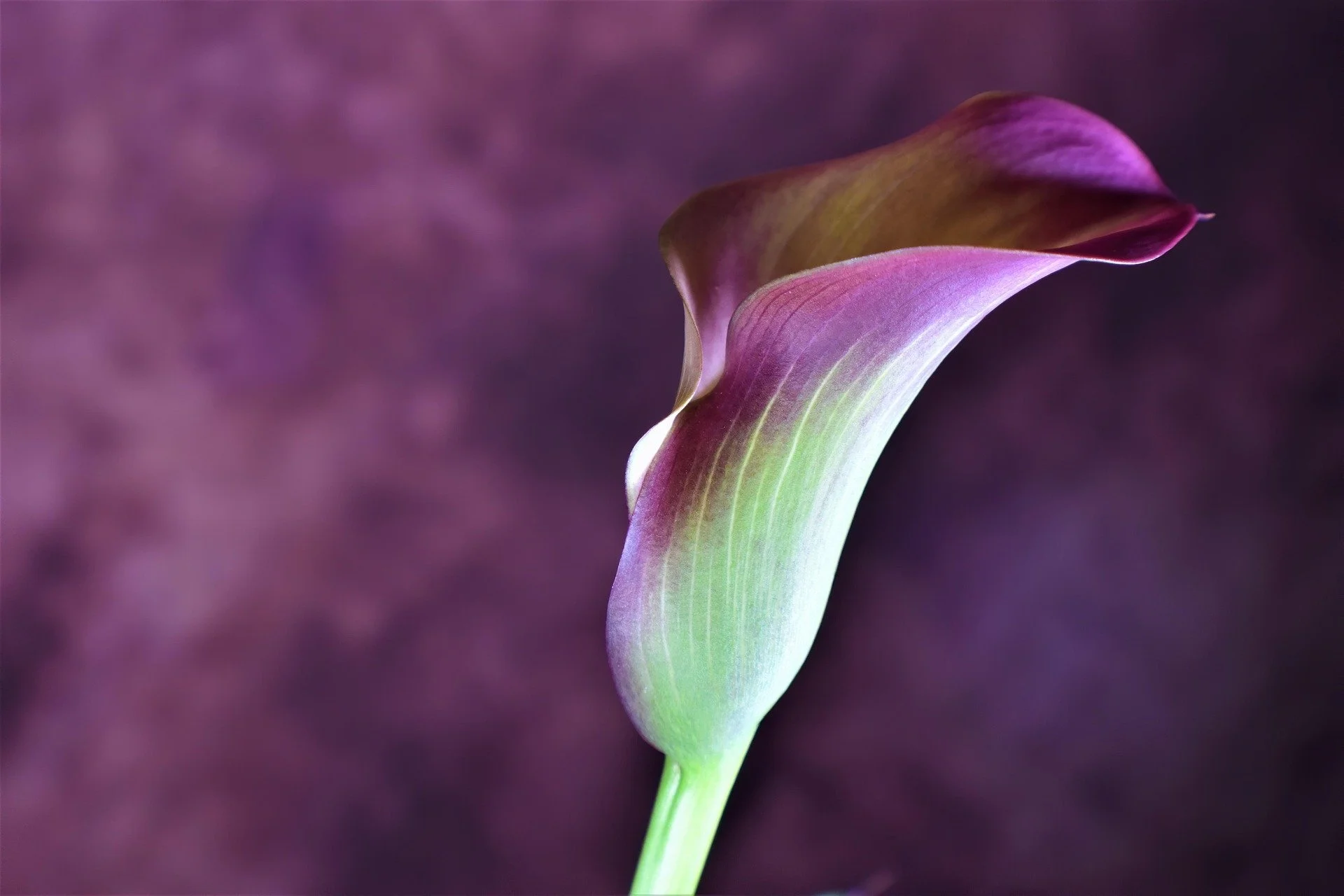
These spring favourites are especially dangerous if dogs dig up and eat the bulbs, which contain the highest concentration of toxins.
Symptoms may include:
Vomiting
Diarrhea
Excessive drooling
Increased heart rate
Dogs who love digging are particularly at risk during planting season.

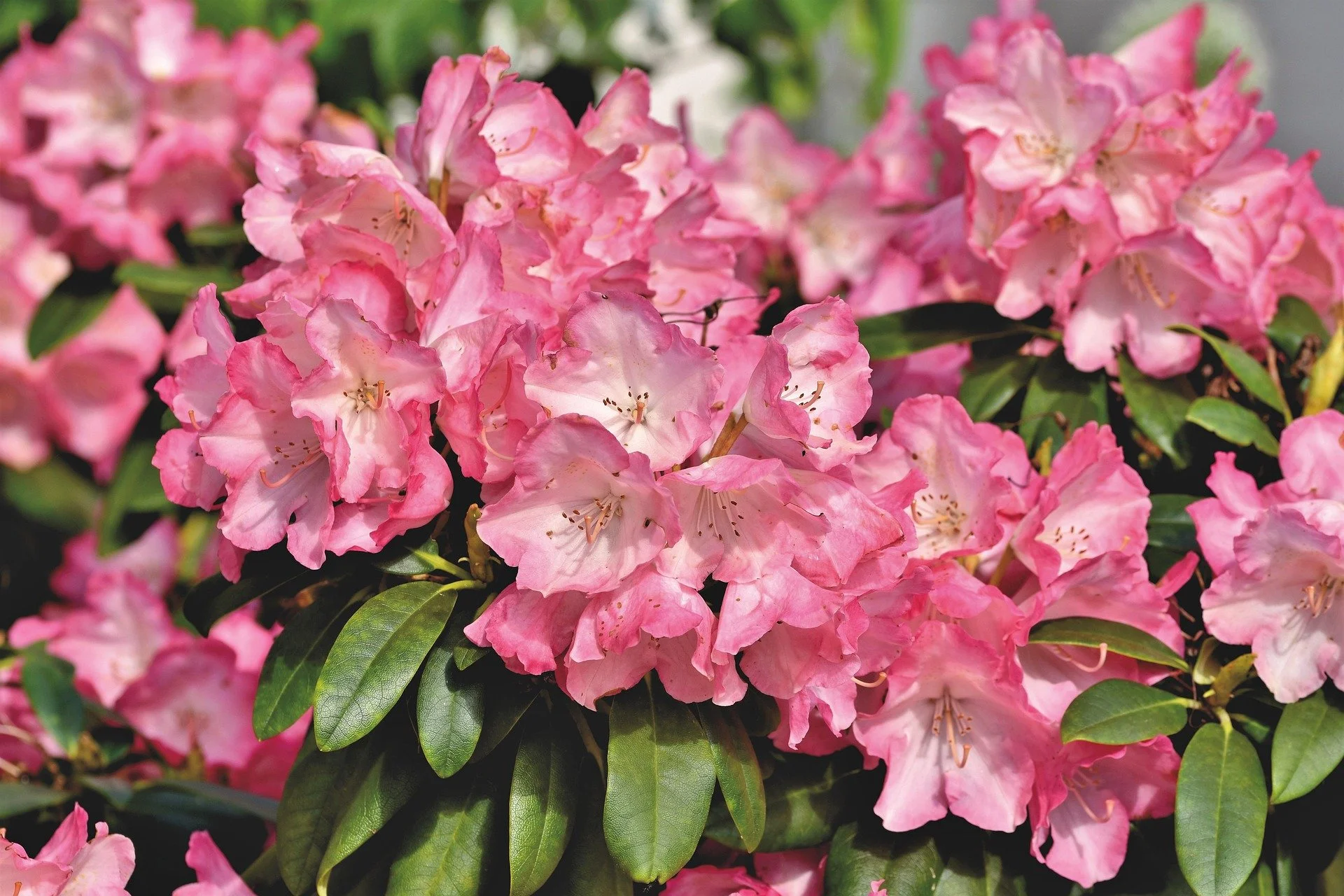
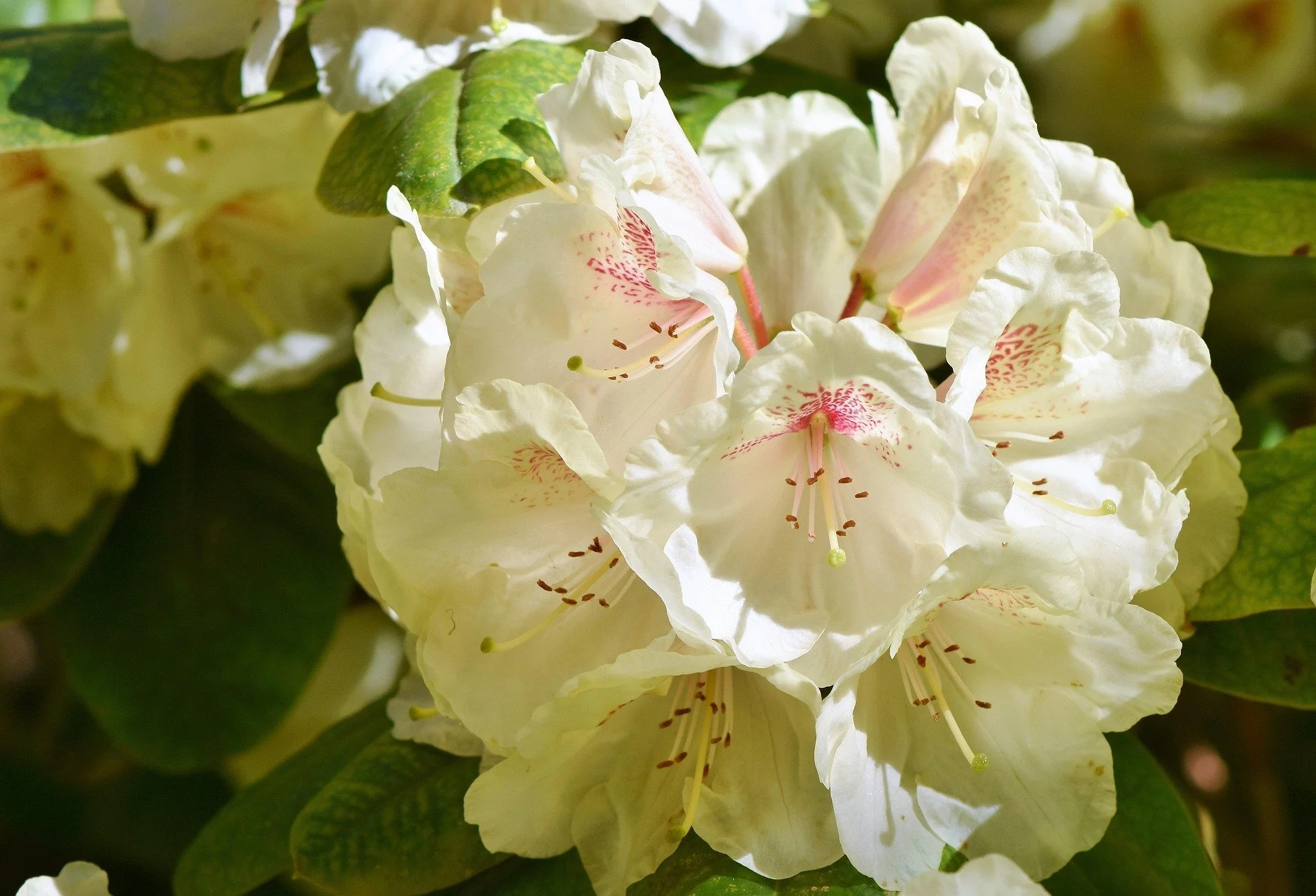
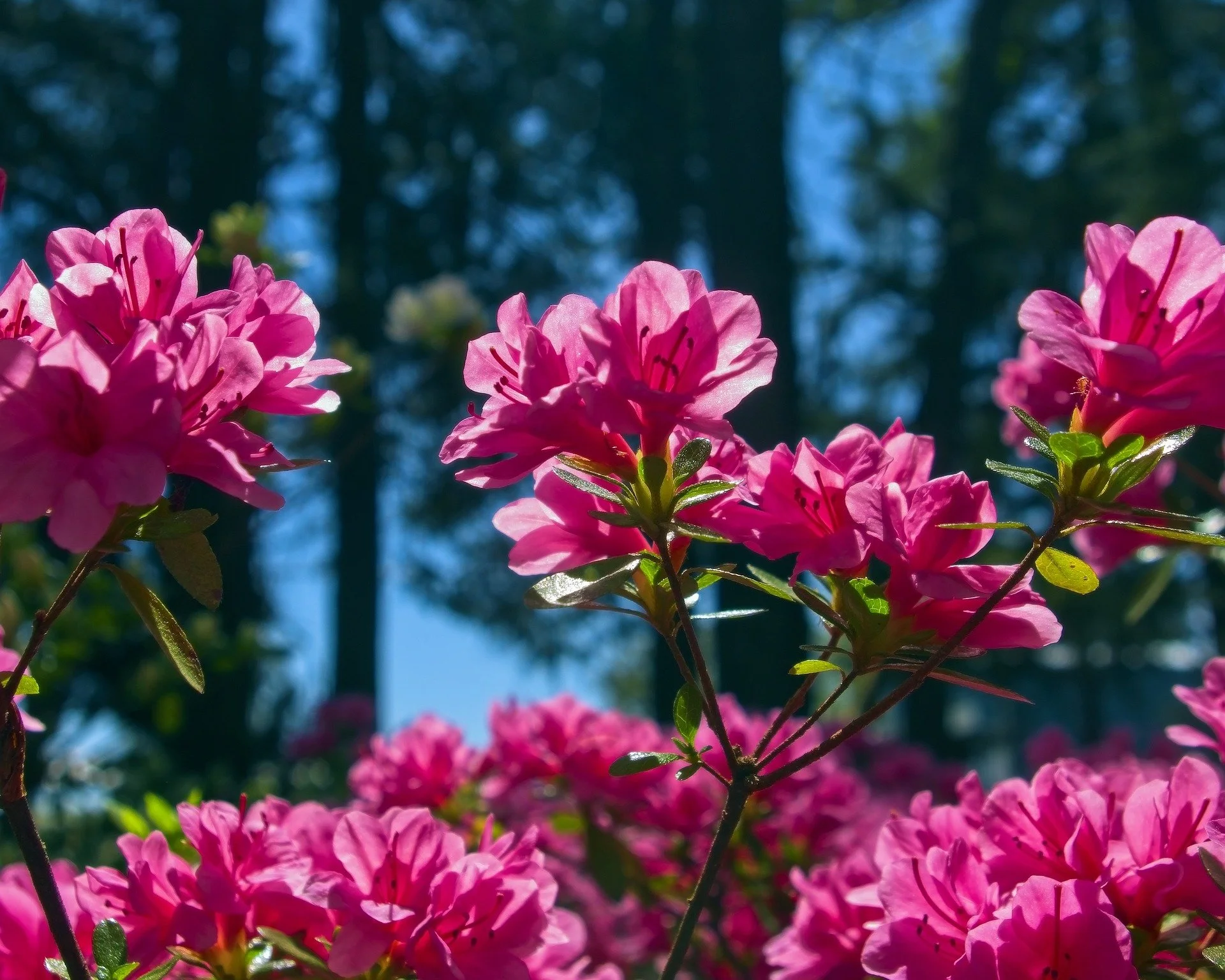
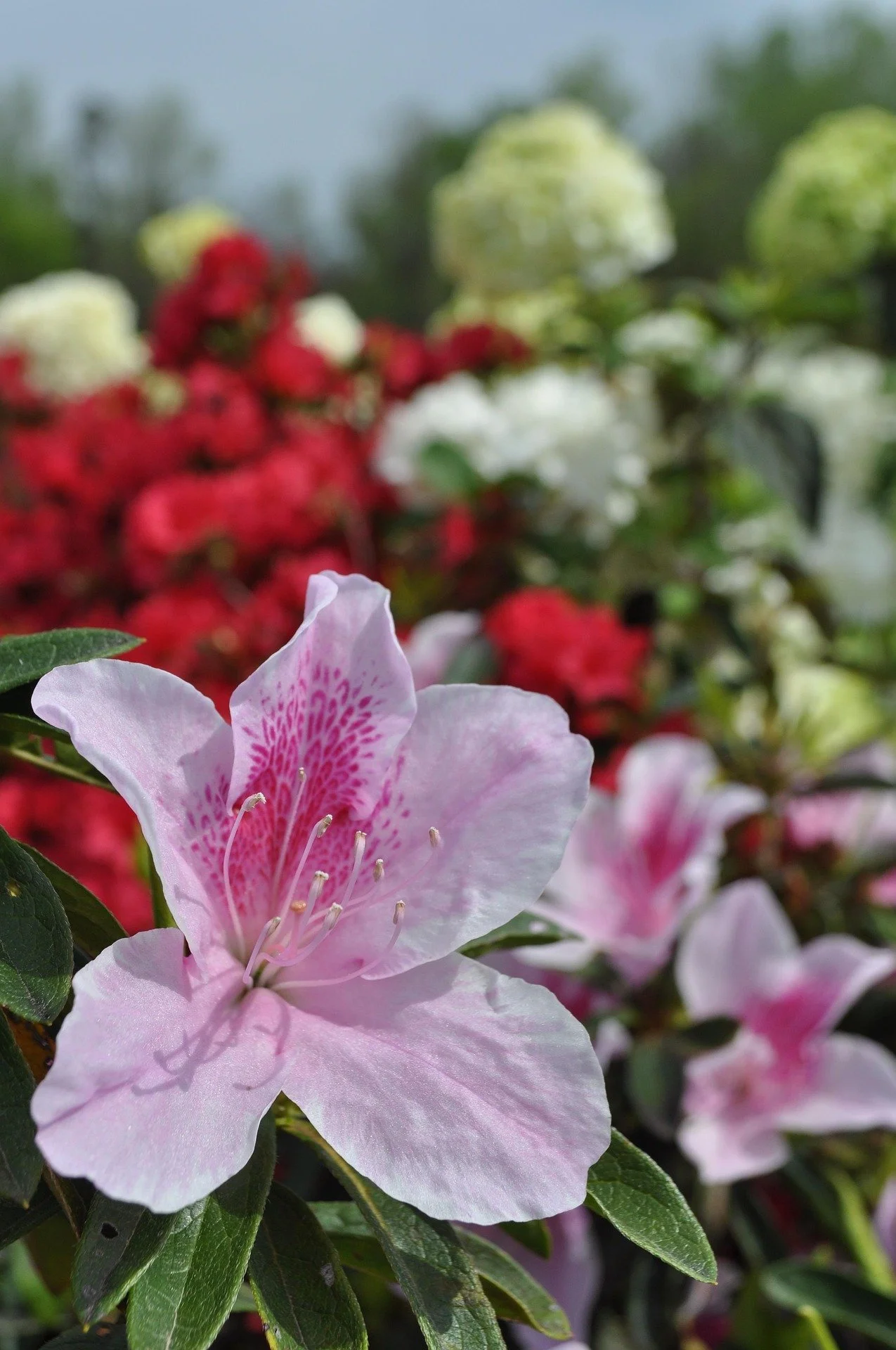
Azaleas & Rhododendrons
Beautiful and common in landscaping, these flowering shrubs contain toxins that affect the cardiovascular system.
Even small amounts can be dangerous.
Symptoms may include:
Vomiting
Weakness
Loss of coordination
Abnormal heart rhythms
Severe poisoning can become an emergency very quickly.
Sago Palm
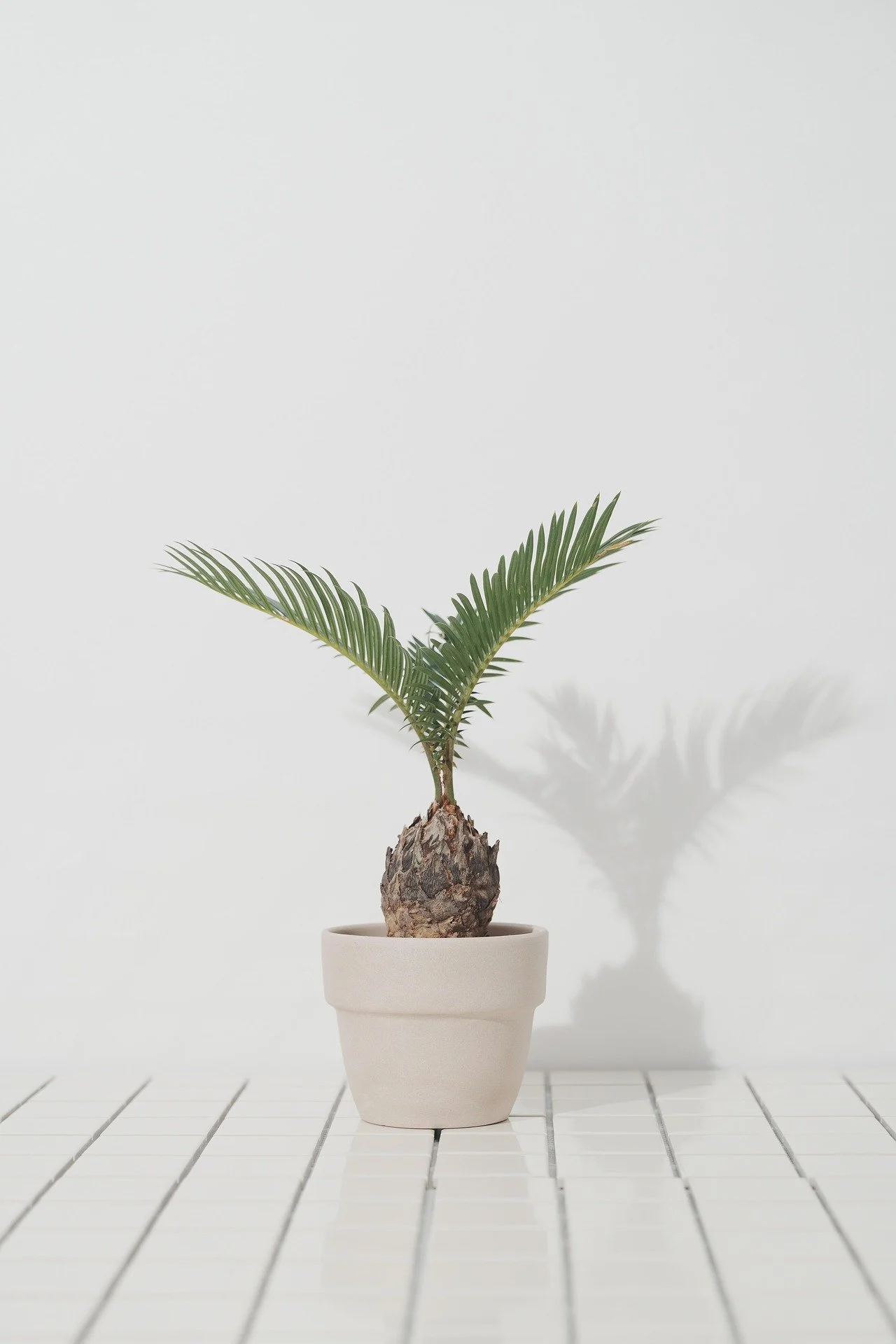
One of the most dangerous plants for dogs, the sago palm is commonly used as both a houseplant and ornamental outdoor plant.
Every part of the plant is toxic, but the seeds are especially deadly.
Symptoms may include:
Vomiting
Bloody stool
Liver failure
Seizures
Even a small amount can be fatal. If your dog ingests any part of a sago palm, contact a veterinarian immediately.
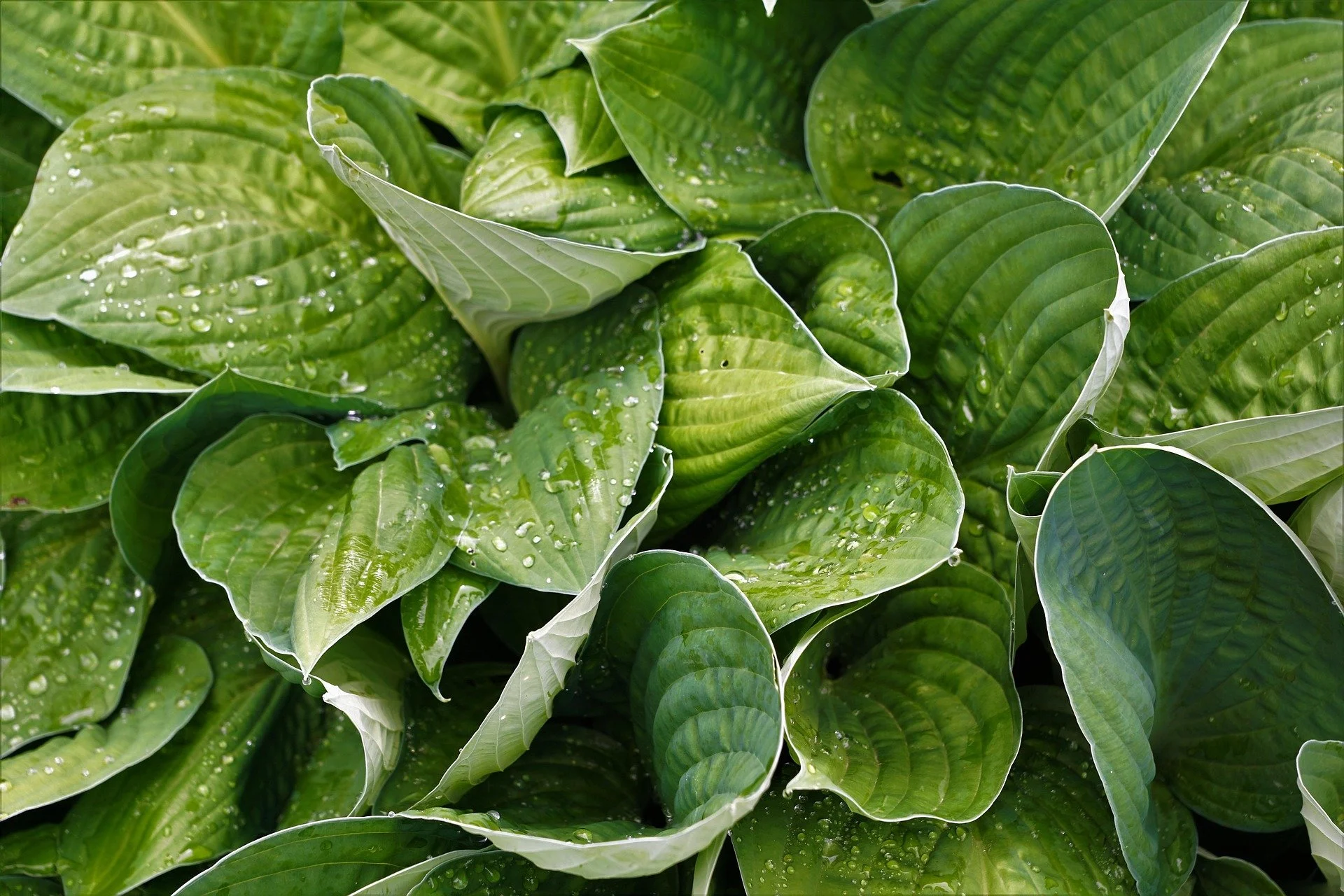
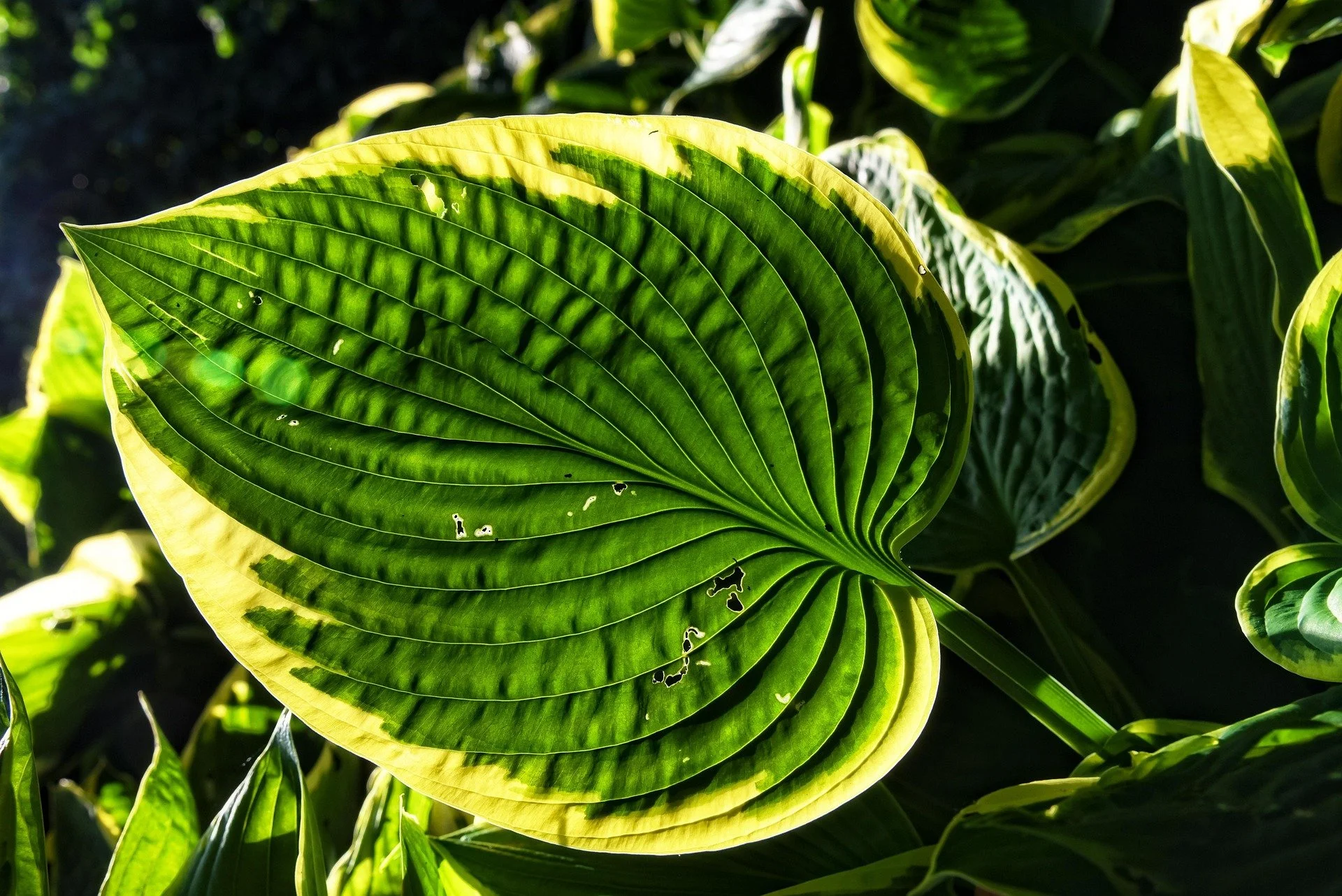
Hostas
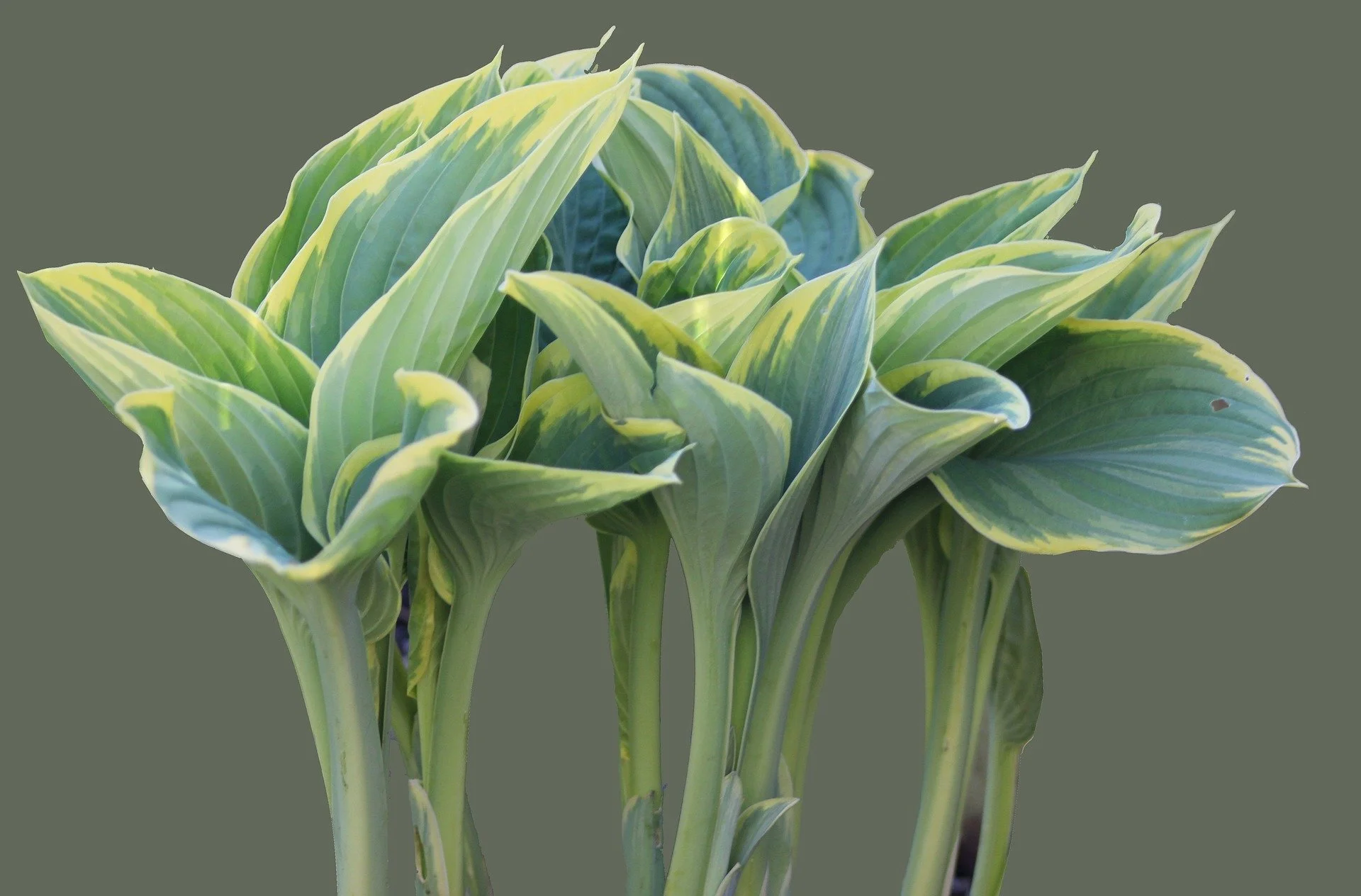
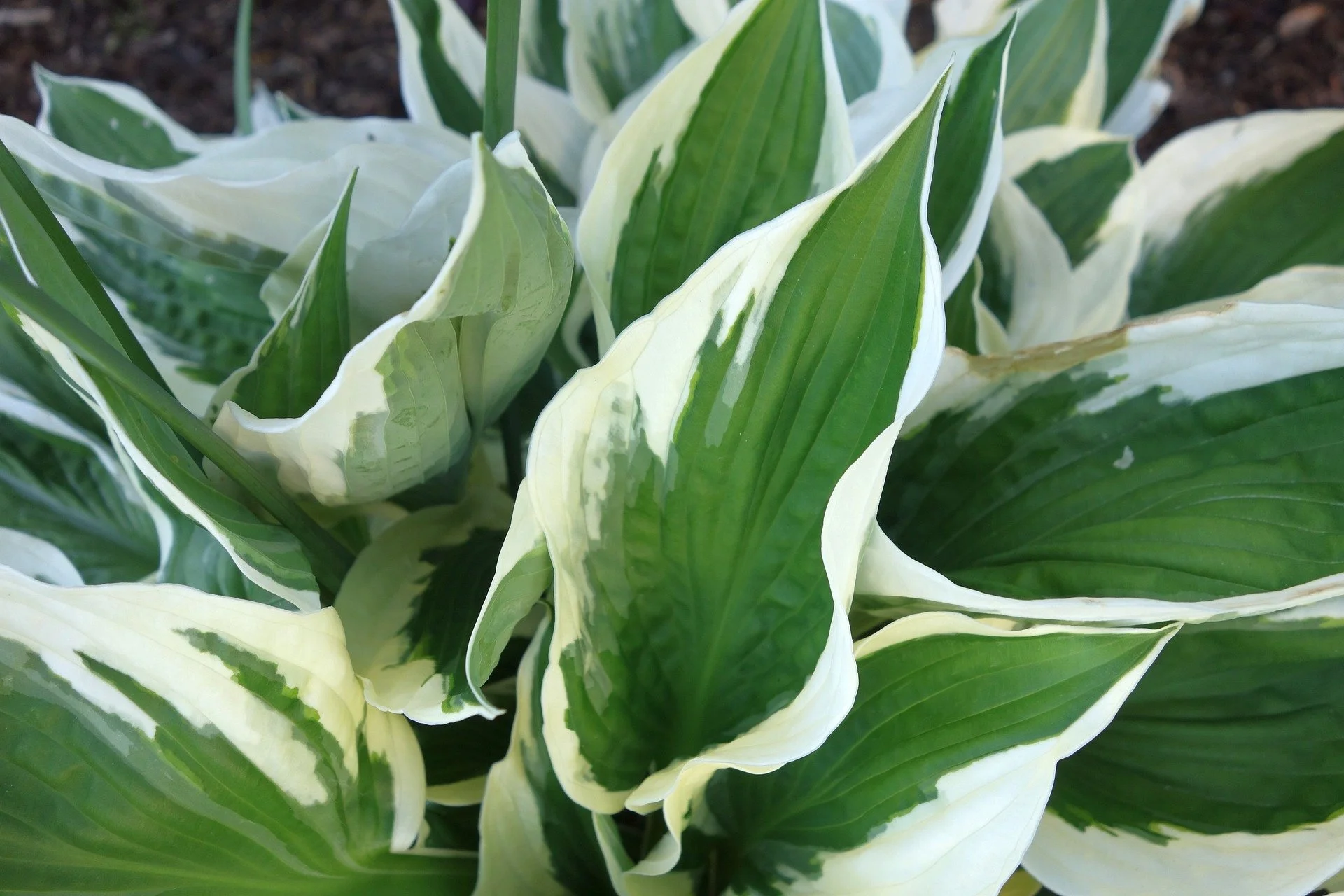
Hostas are extremely popular in Canadian gardens because they thrive in shady areas. While usually not deadly, they can still cause illness in dogs.
Symptoms may include:
Vomiting
Diarrhea
Depression
Many dogs are attracted to the broad leaves, especially puppies.
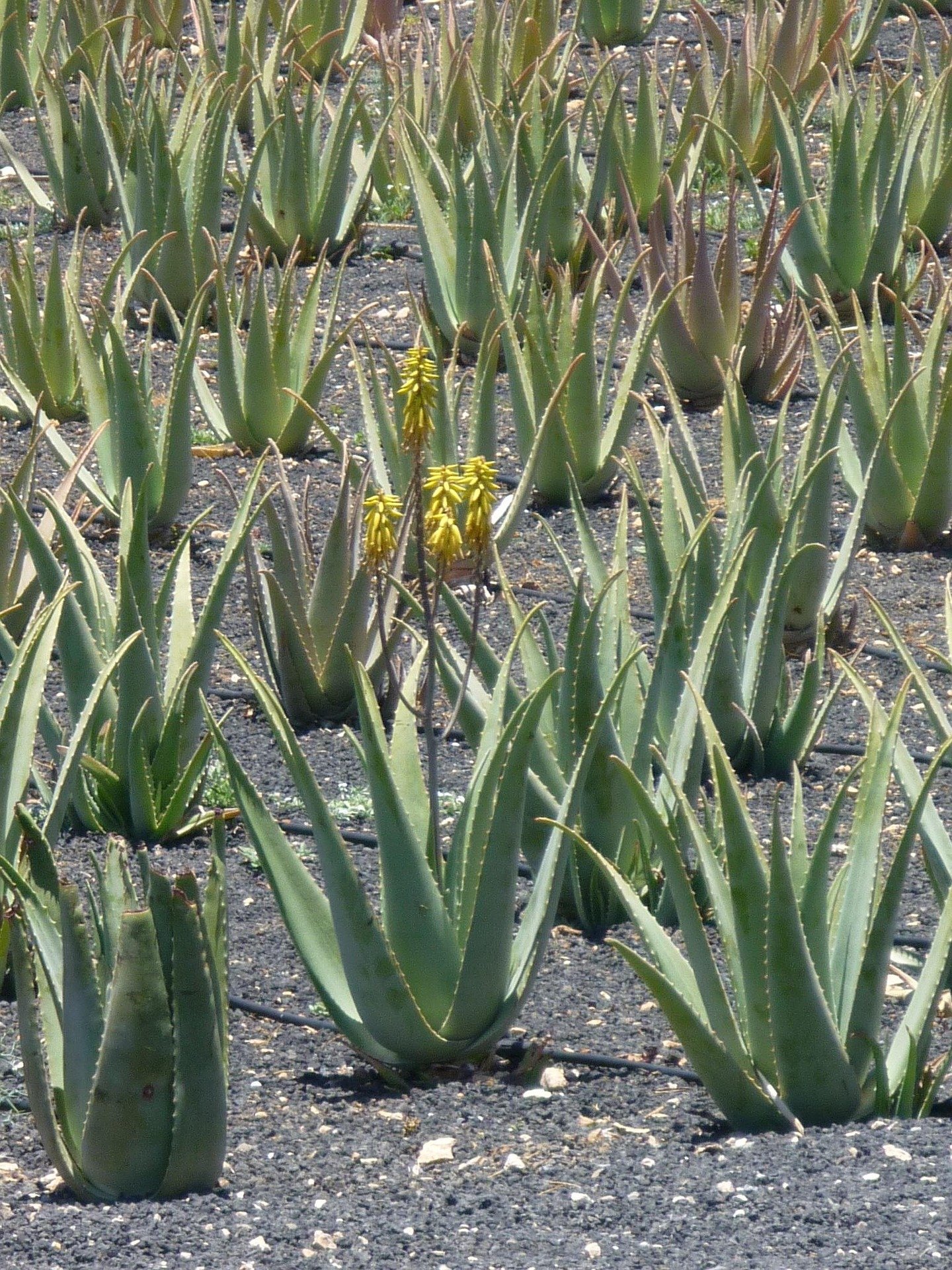
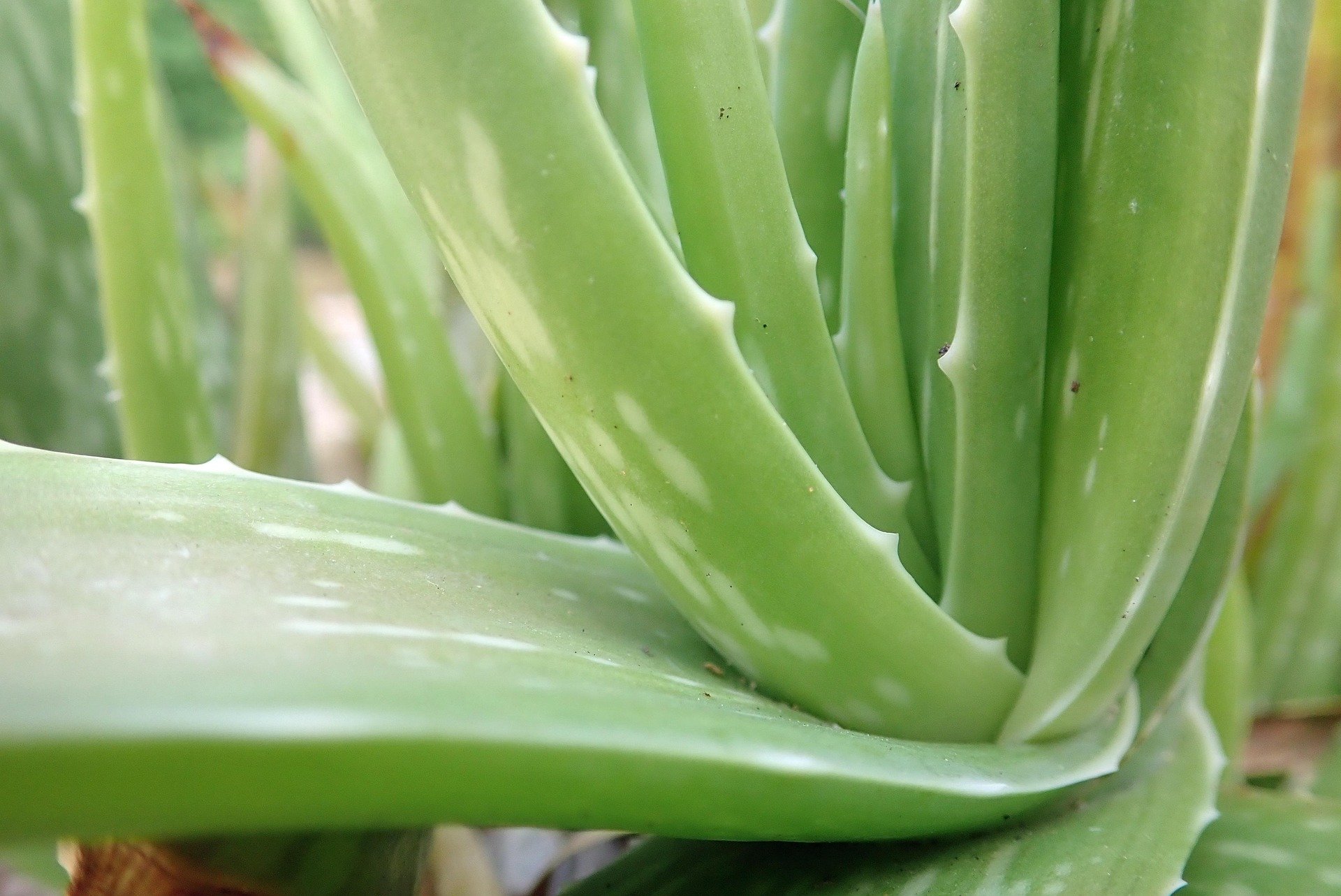
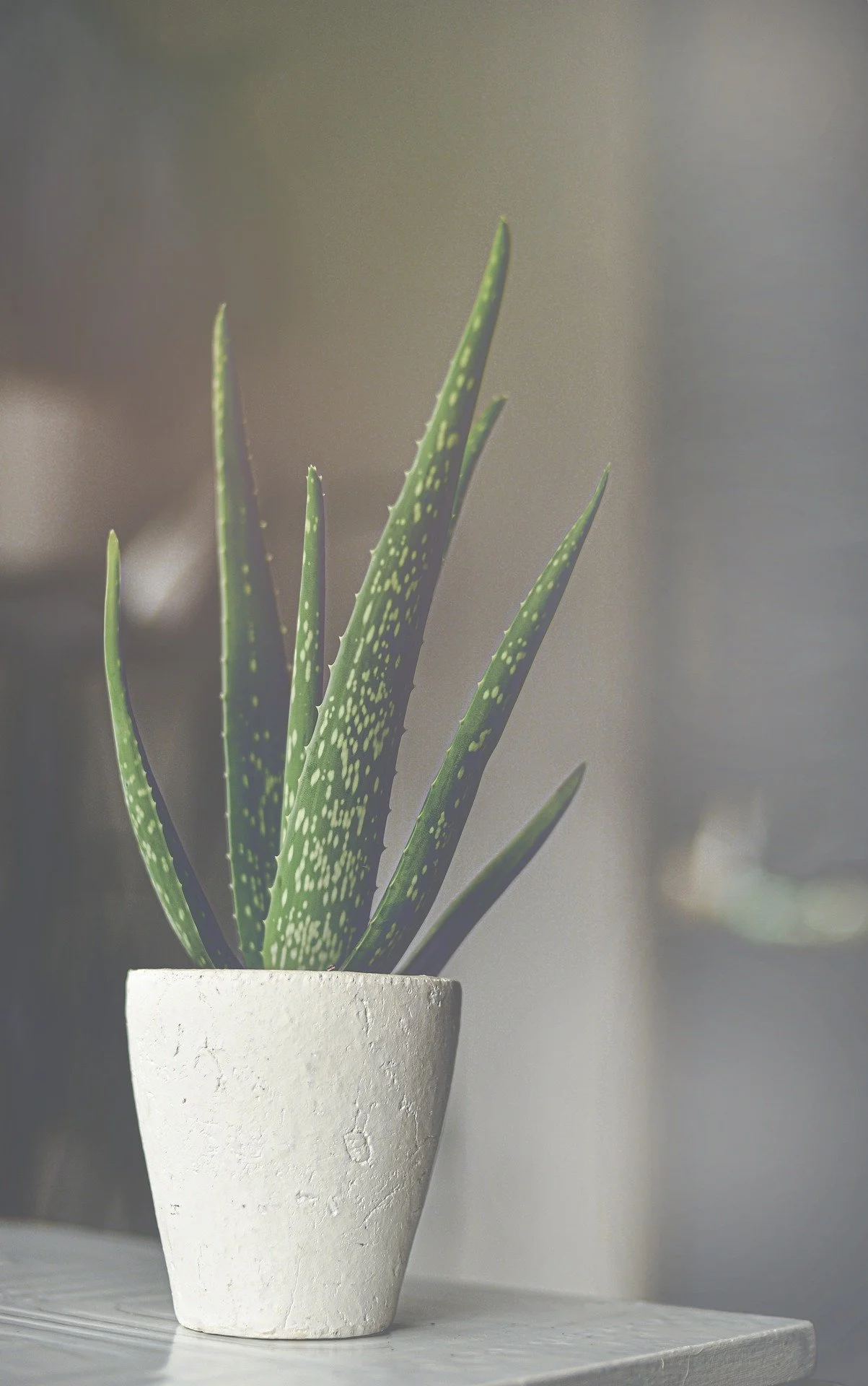
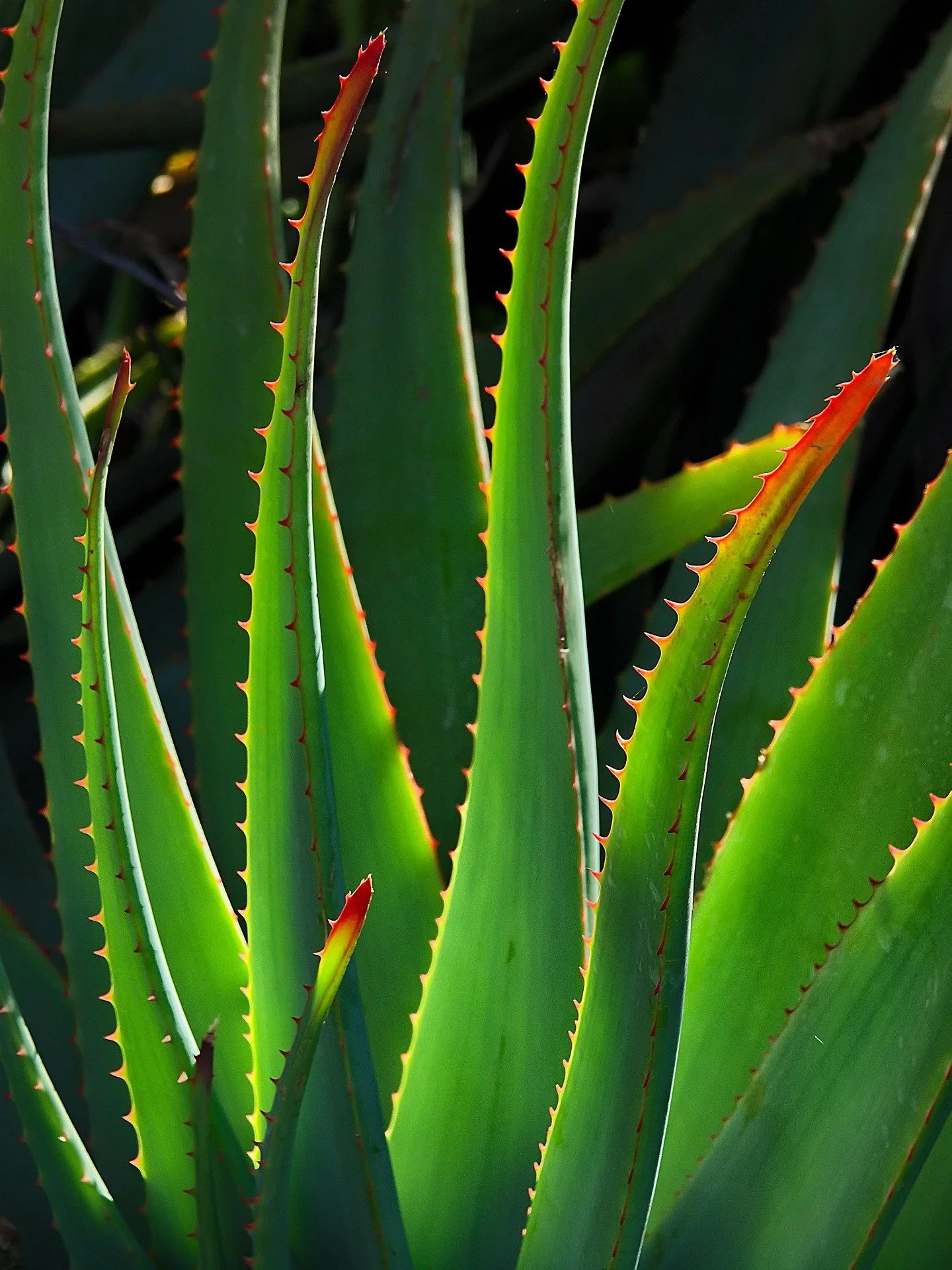
Aloe Vera
Often kept indoors for its soothing medicinal properties, aloe vera can irritate a dog’s digestive system if eaten.
Symptoms may include:
Vomiting
Diarrhea
Lethargy
The gel is useful for humans, but the plant itself should still be kept out of reach of pets.
What To Do If Your Dog Eats a Toxic Plant
If you suspect your dog has eaten a poisonous plant:
Remove any remaining plant material.
Take a photo or bring part of the plant with you if possible.
Call your veterinarian immediately.
Contact the Pet Poison Helpline or ASPCA Animal Poison Control Center for guidance.
Do not wait for symptoms to appear. Early treatment can make a huge difference.
Creating a Dog-Friendly Garden
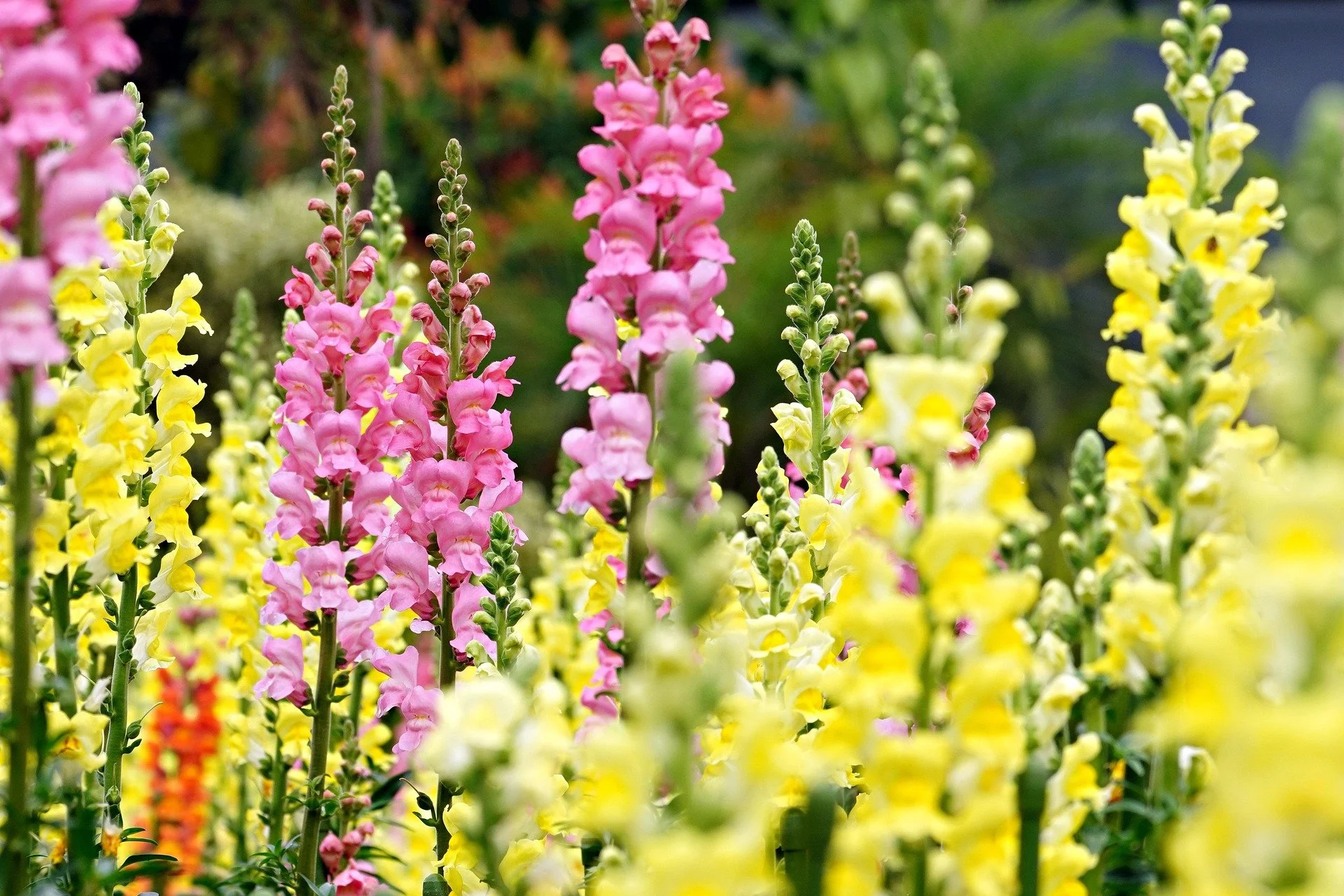
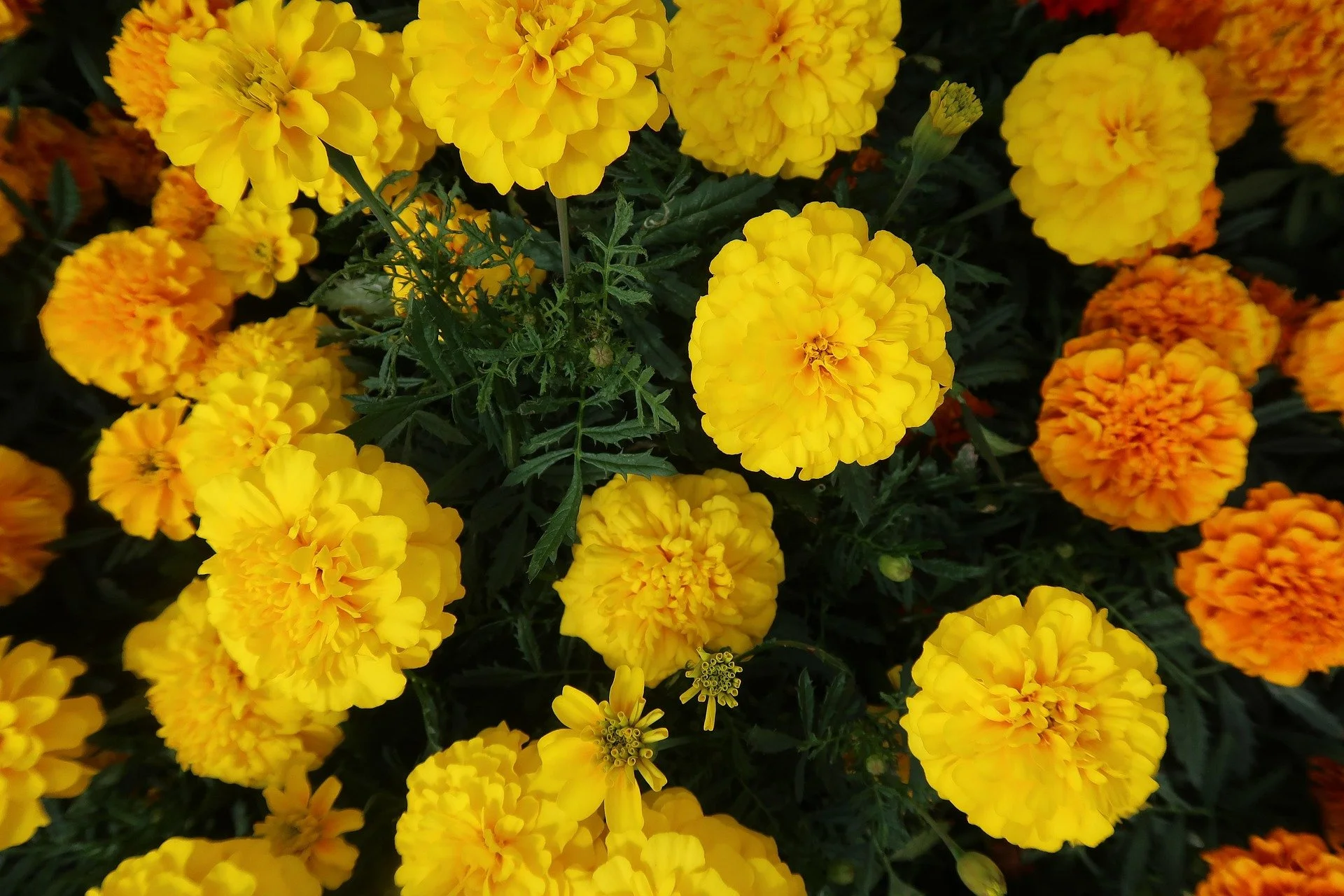
The good news is you don’t need to sacrifice a beautiful yard to keep your dog safe. Many pet-friendly plants are both colourful and safe, including:
Sunflowers
Snapdragons
Marigolds
Zinnias
Roses
Petunias


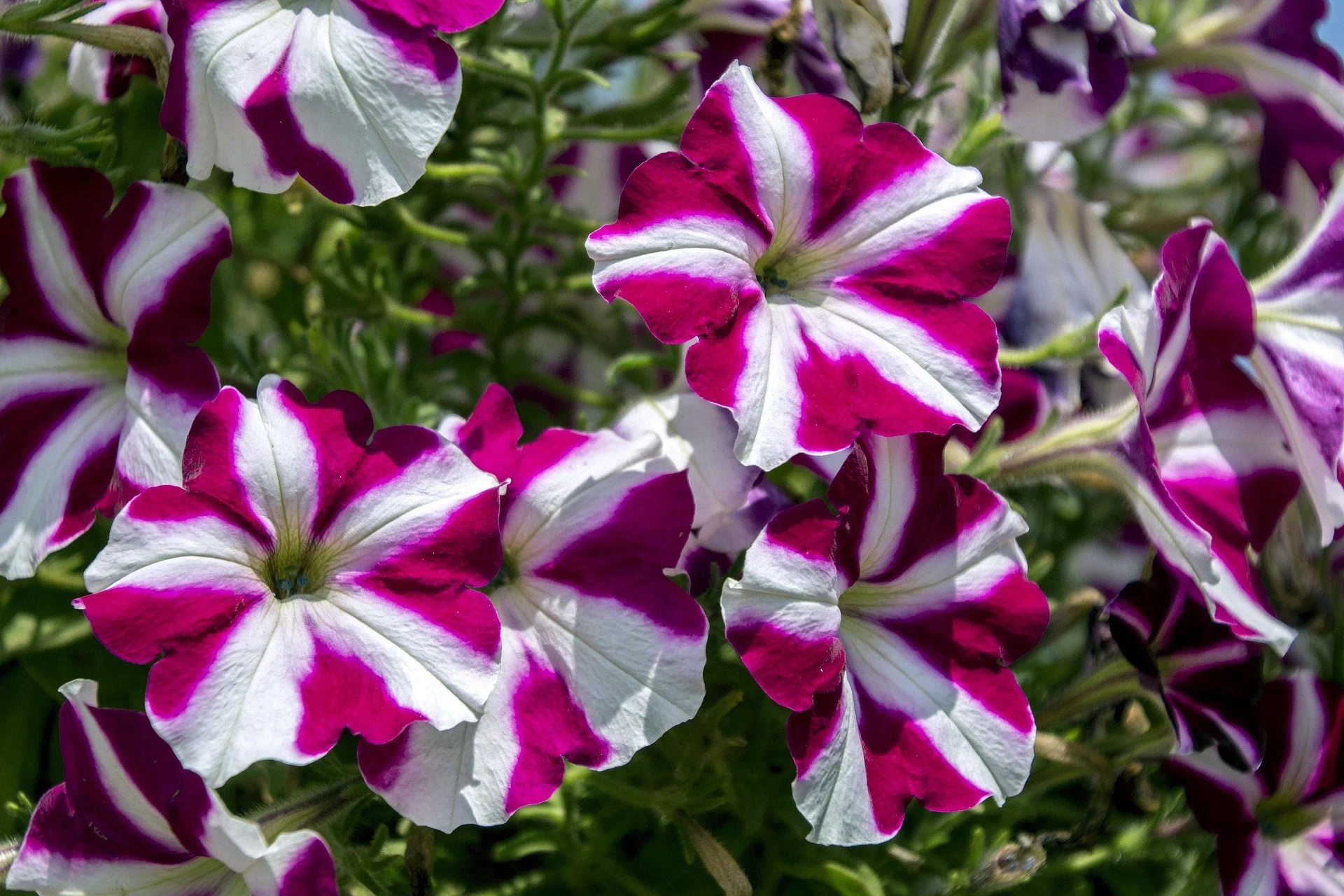
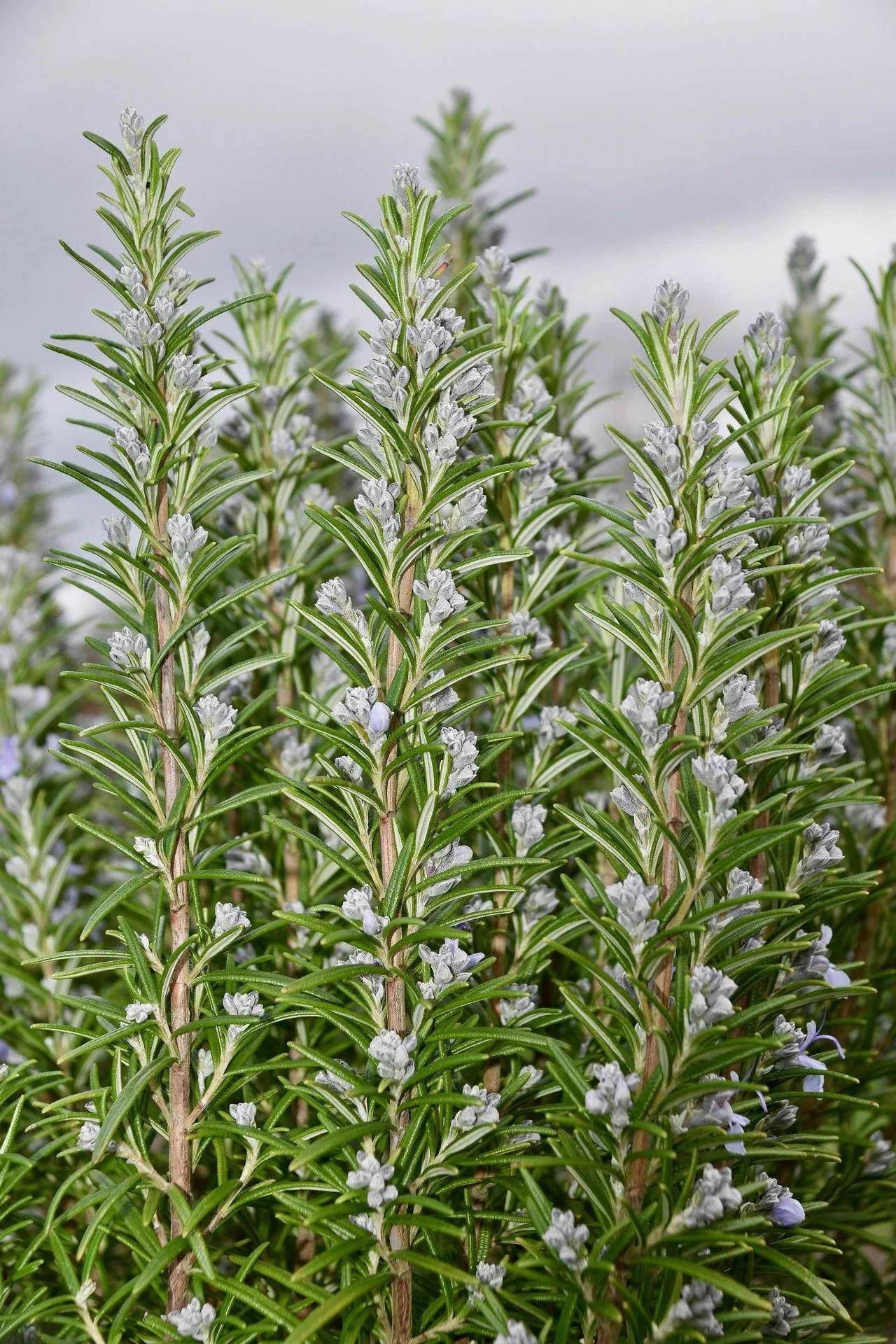
Before adding new plants to your home or garden, take a few minutes to research whether they’re safe for pets. A little planning now can help prevent a frightening emergency later. Here is an extensive list of both toxic and non-toxic plants https://www.aspca.org/pet-care/animal-poison-control/dogs-plant-list
Because our dogs don’t know which plants are dangerous, it’s up to us to create spaces where they can safely explore, play, and simply enjoy being dogs.