Finchale Priory – A Walk Through Durham’s History
While exploring County Durham, I decided to visit Finchale Priory, a place I had heard about but hadn't previously had the chance to photograph.
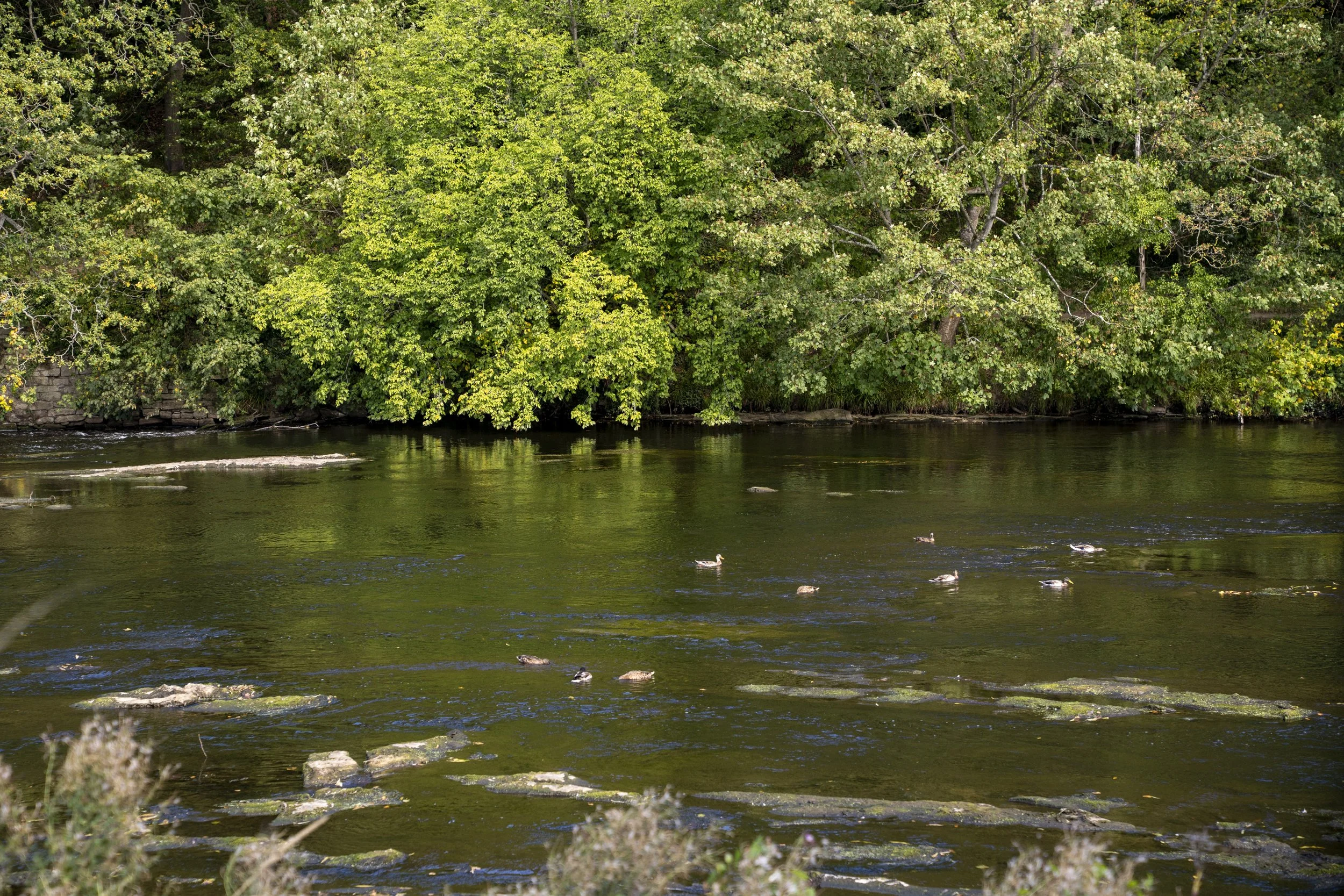
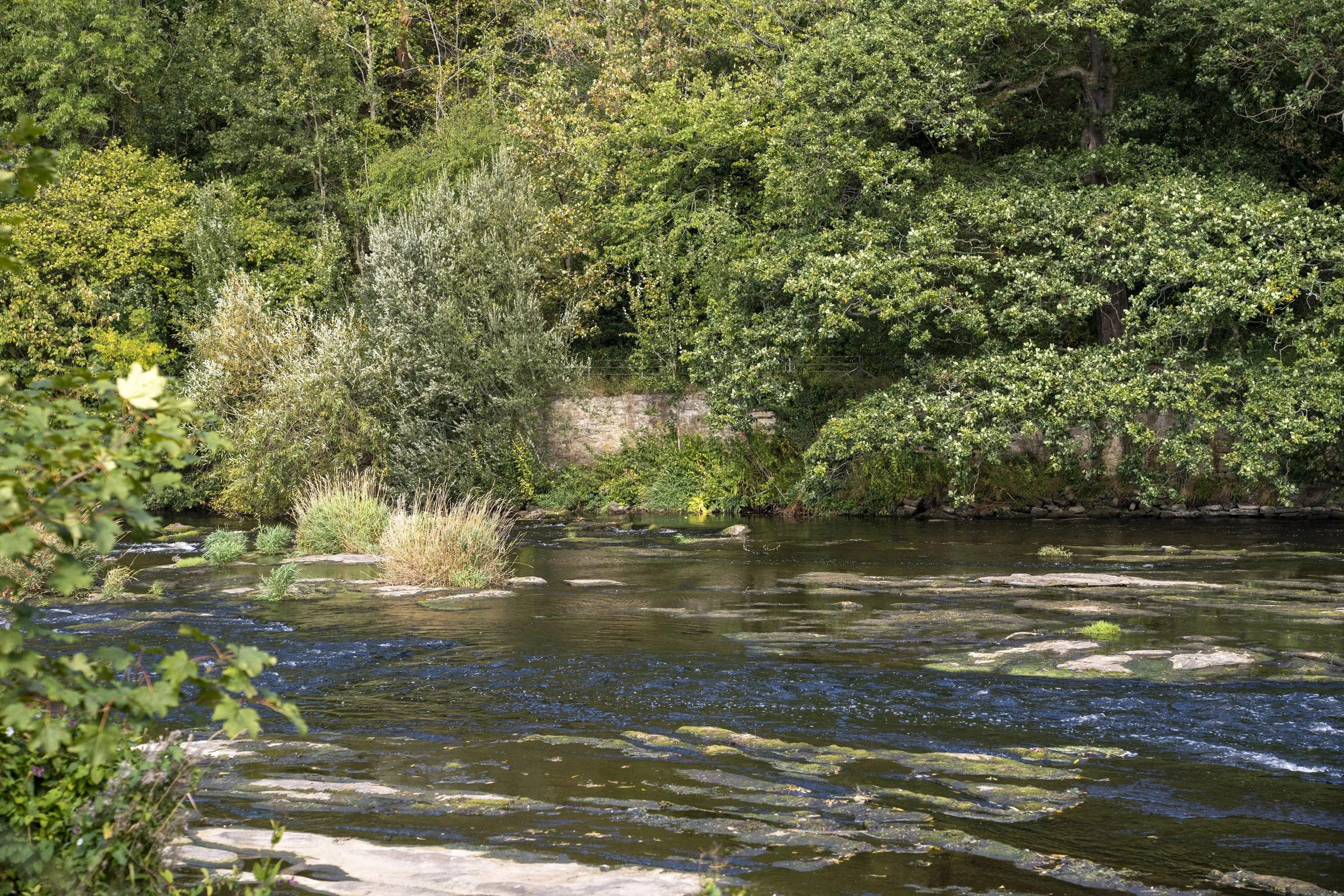
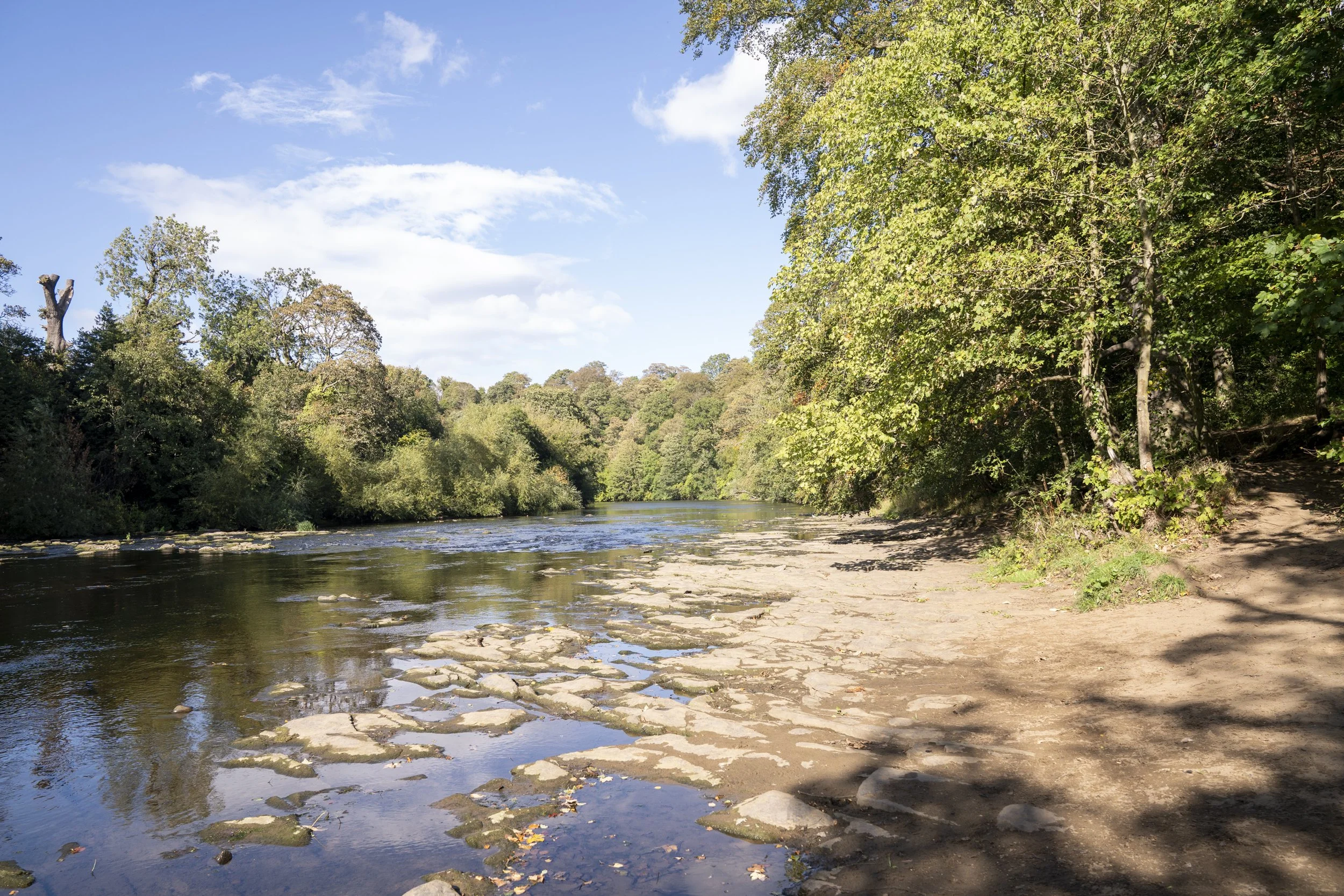
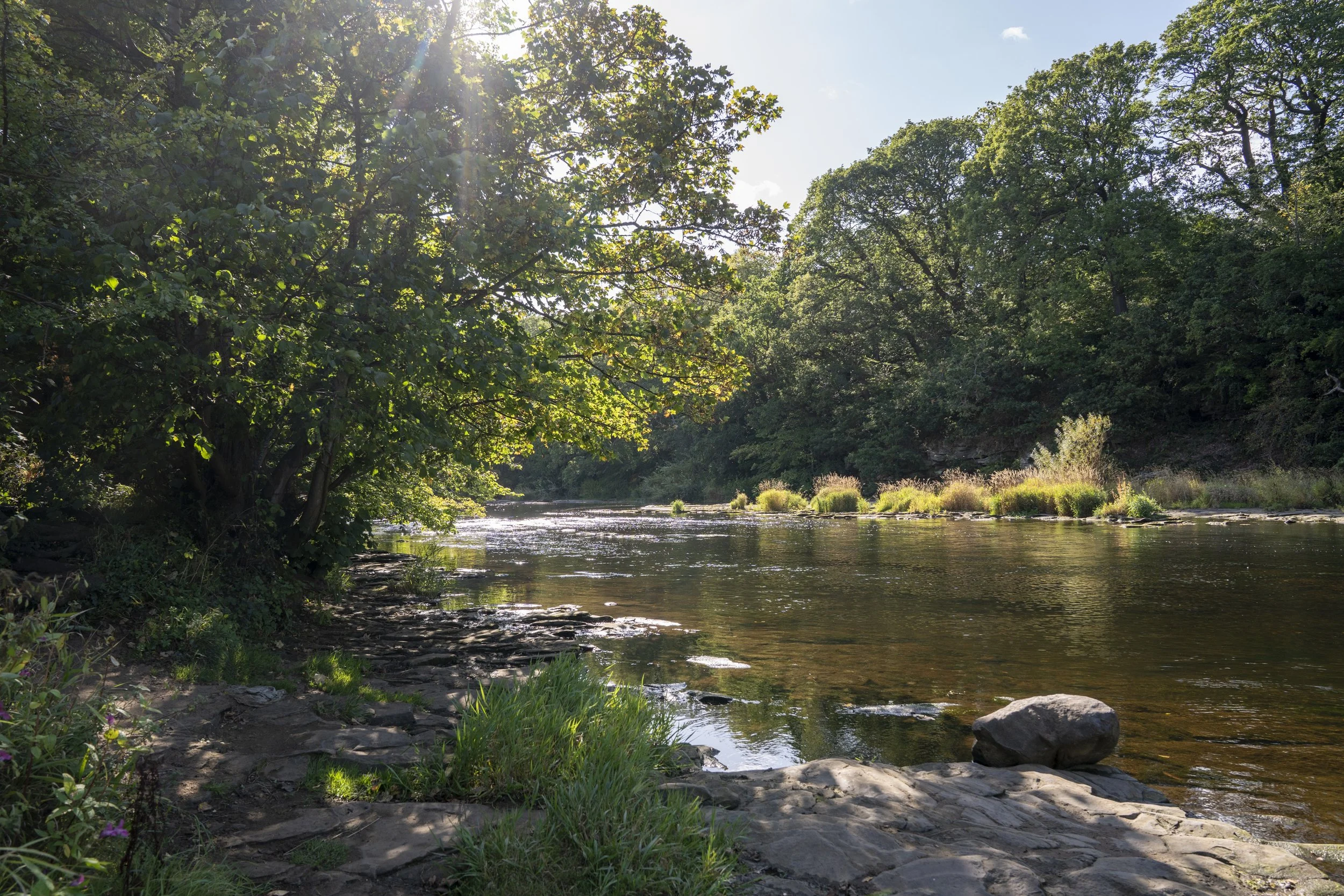
Located just a few miles from Durham, Finchale Priory sits in a lovely rural setting beside the River Wear. It is surrounded by trees and countryside, and even though it is not far from the city, it feels quite removed from everything else.
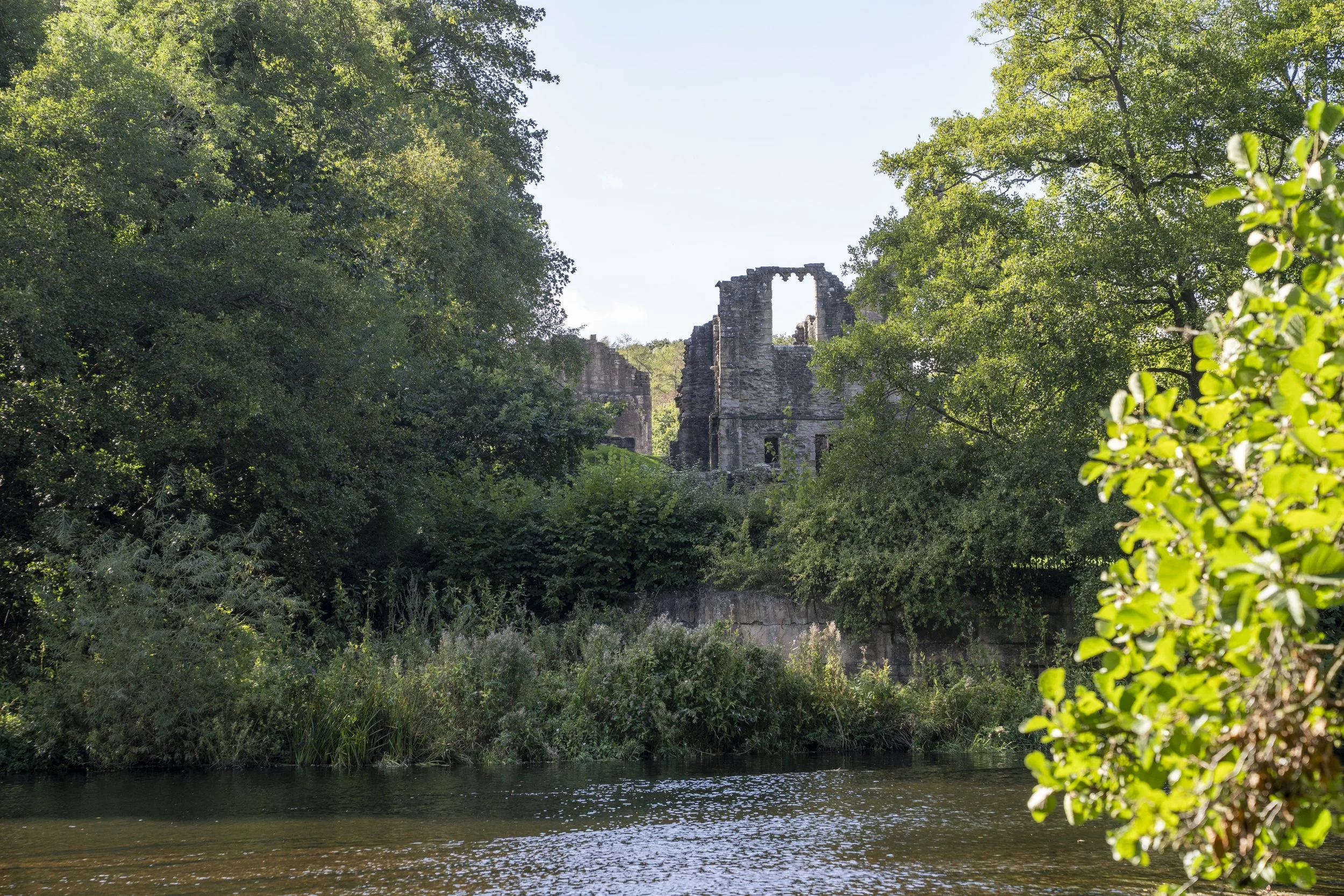
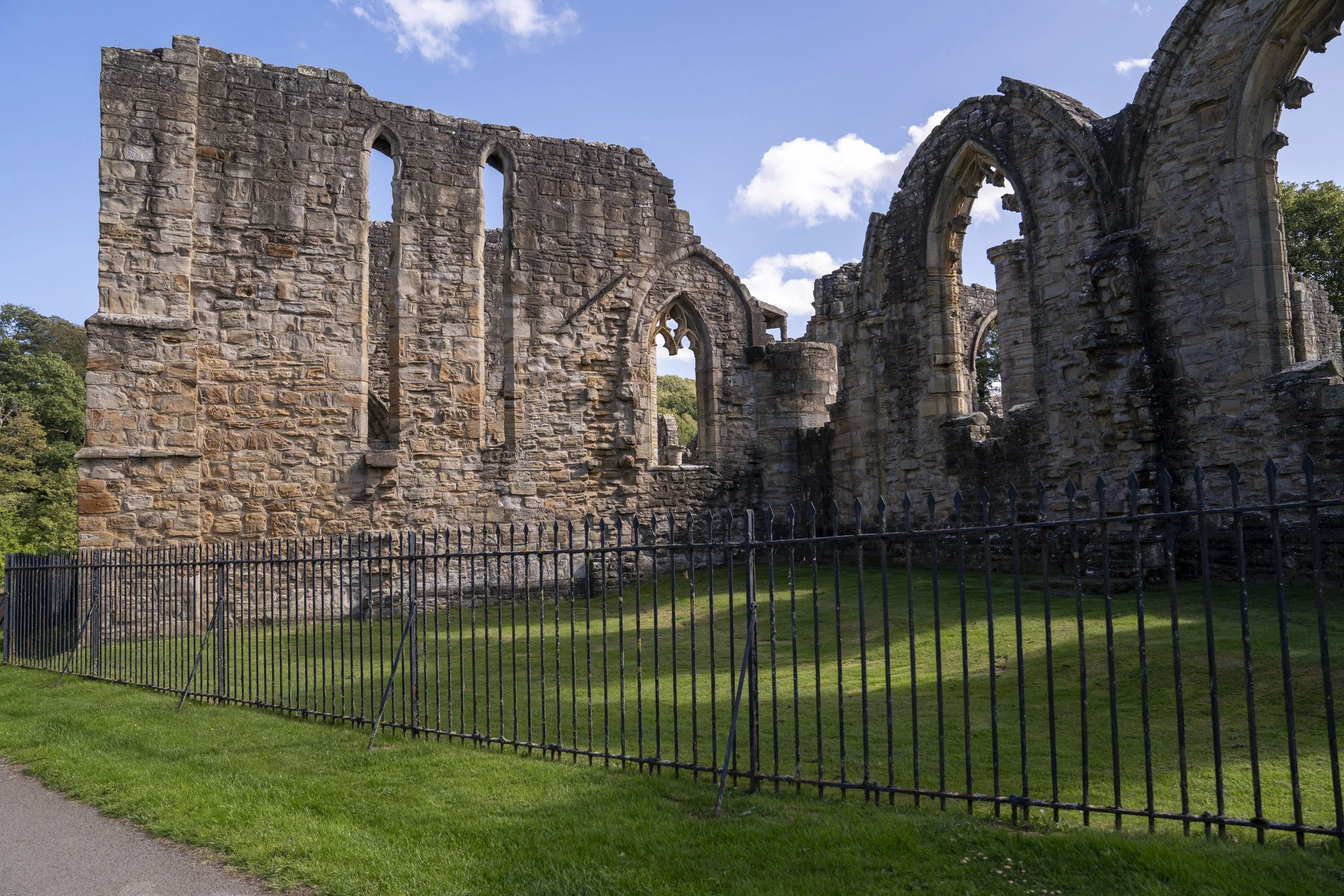
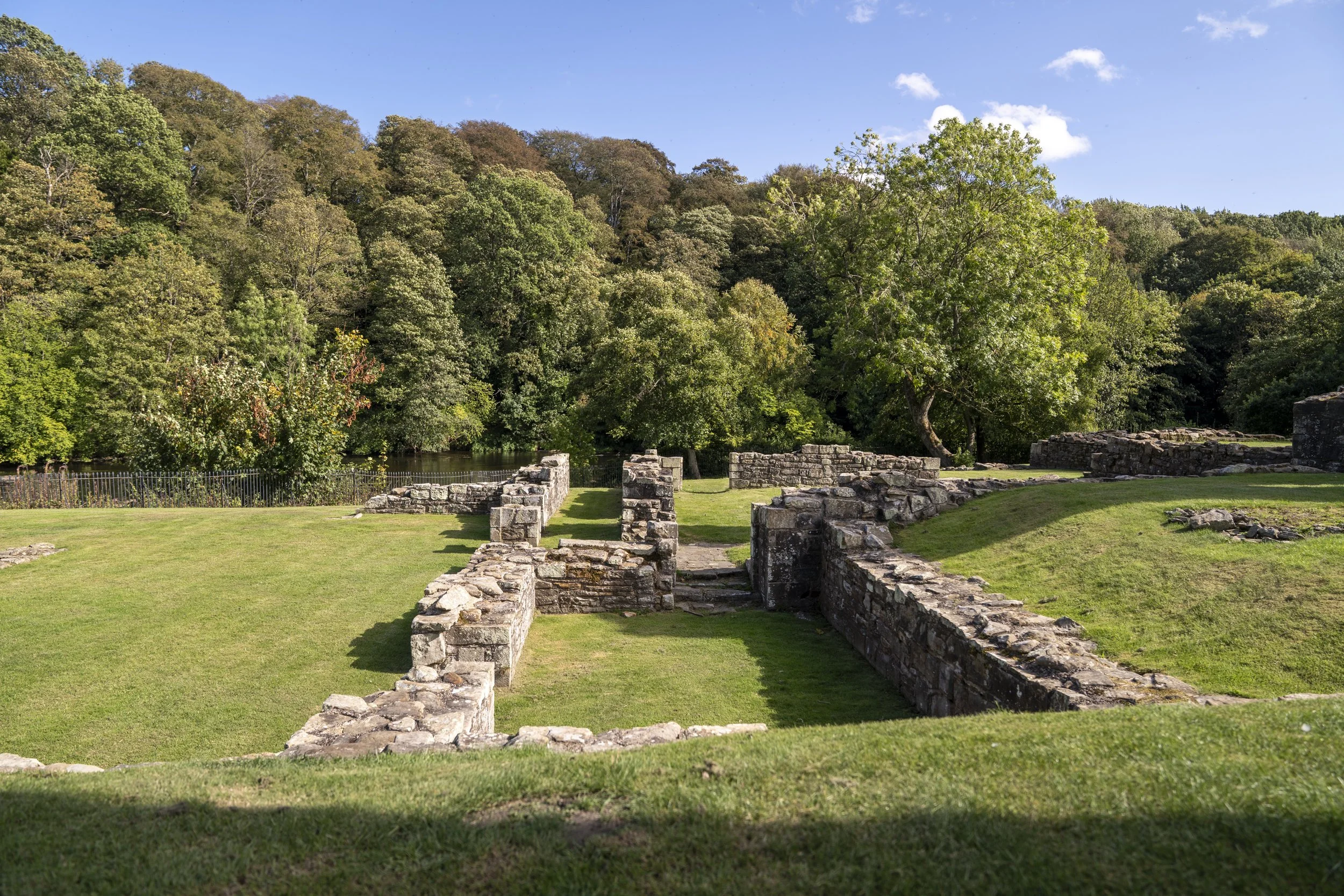
The first thing that struck me when I arrived was just how much of the priory is still standing. After all these centuries, there are substantial sections of the church and monastic buildings remaining, including walls, arches, doorways and a number of interesting architectural details.
A Little History
The history of Finchale goes back much further than the priory itself.
The site is closely associated with St Godric, a former merchant and sailor who eventually became a hermit. Around 1112, he settled at Finchale and lived here for the rest of his life. He built a small church and became well known for his religious life.
Godric died in 1170, reportedly at the remarkable age of around 100. After his death, Finchale became a place of pilgrimage because of his reputation for holiness and his burial place here.
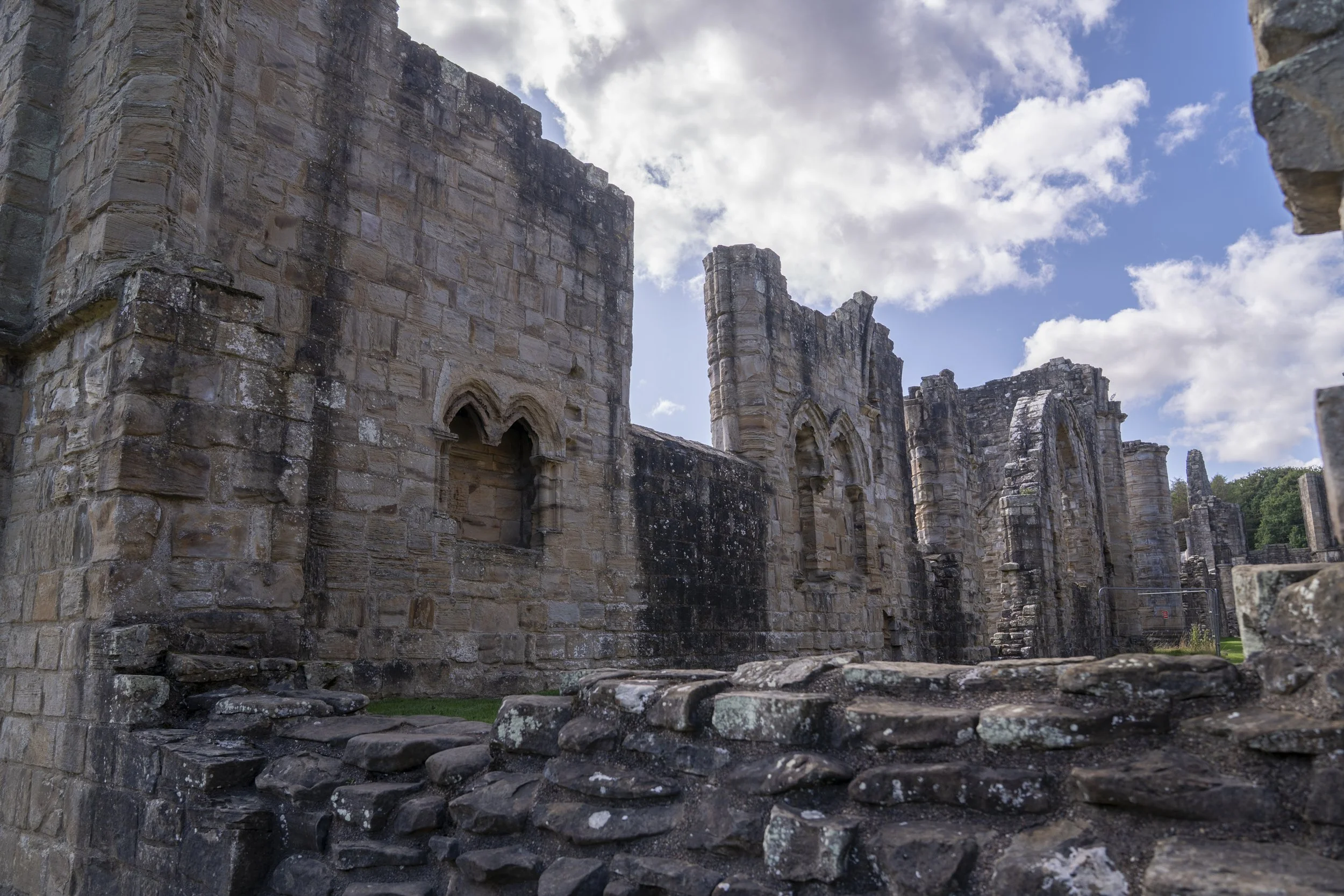
Several decades later, monks from Durham established a religious community at Finchale, and a priory was formally established in 1196. Over the years the buildings were expanded and altered, creating the substantial complex whose remains can still be seen today.
Interestingly, Finchale wasn't simply a place where monks lived and worked. During the later medieval period it also became something of a retreat for monks from Durham Cathedral Priory. Groups of monks would spend time here away from Durham, making the location a rather early version of a countryside getaway.
The Ruins Today
Of course, what we see now is very different from what would have been here during the priory's working life.
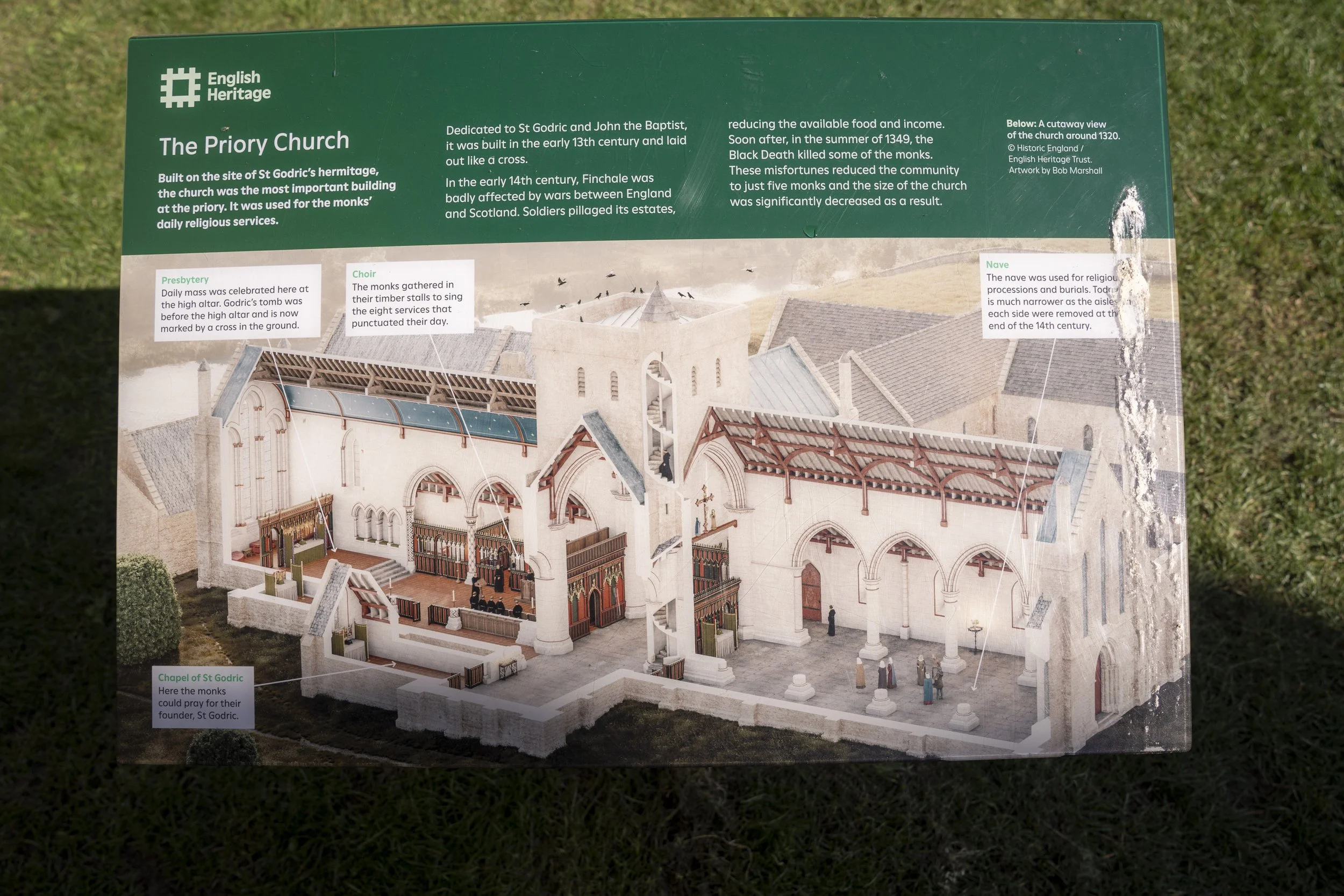
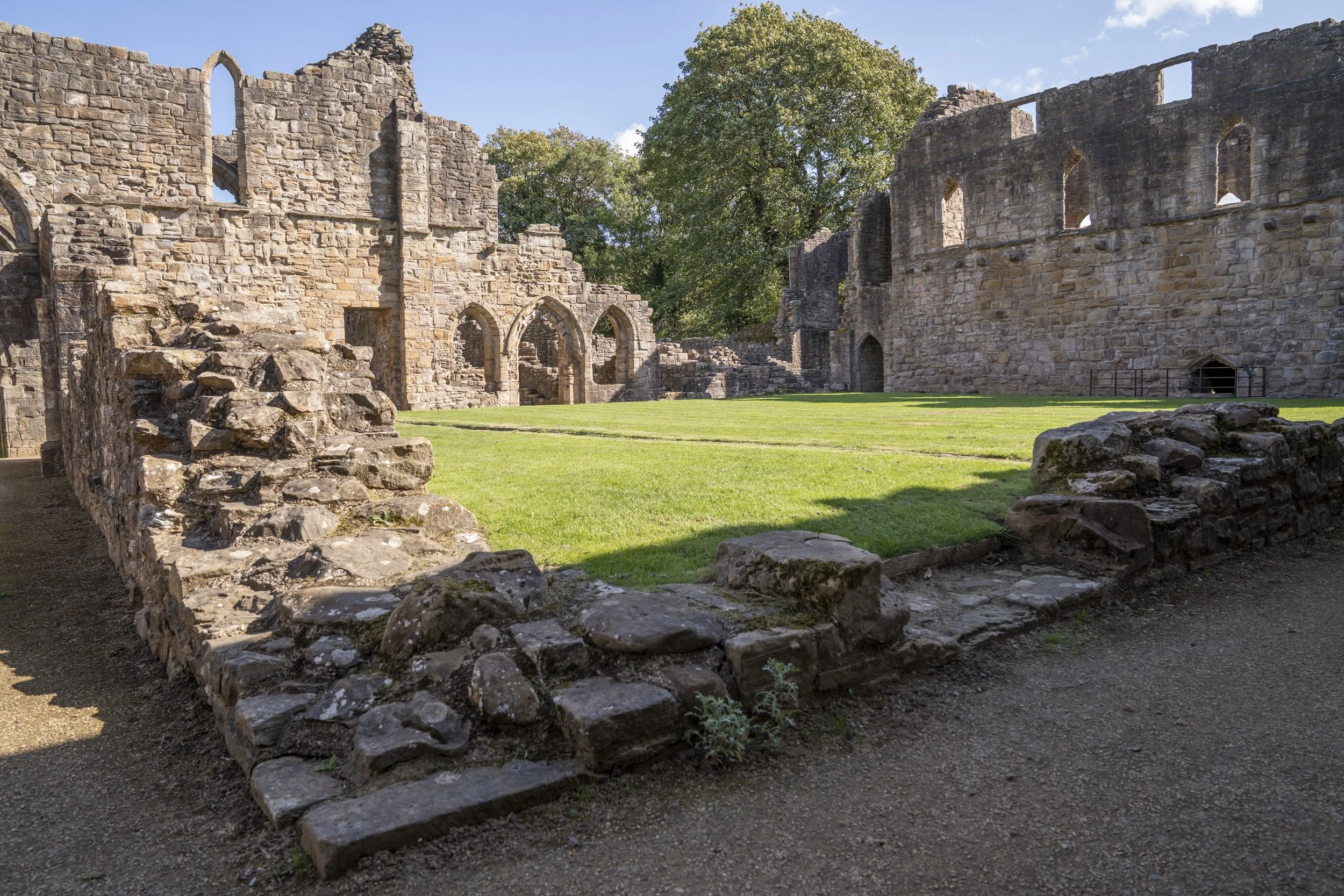
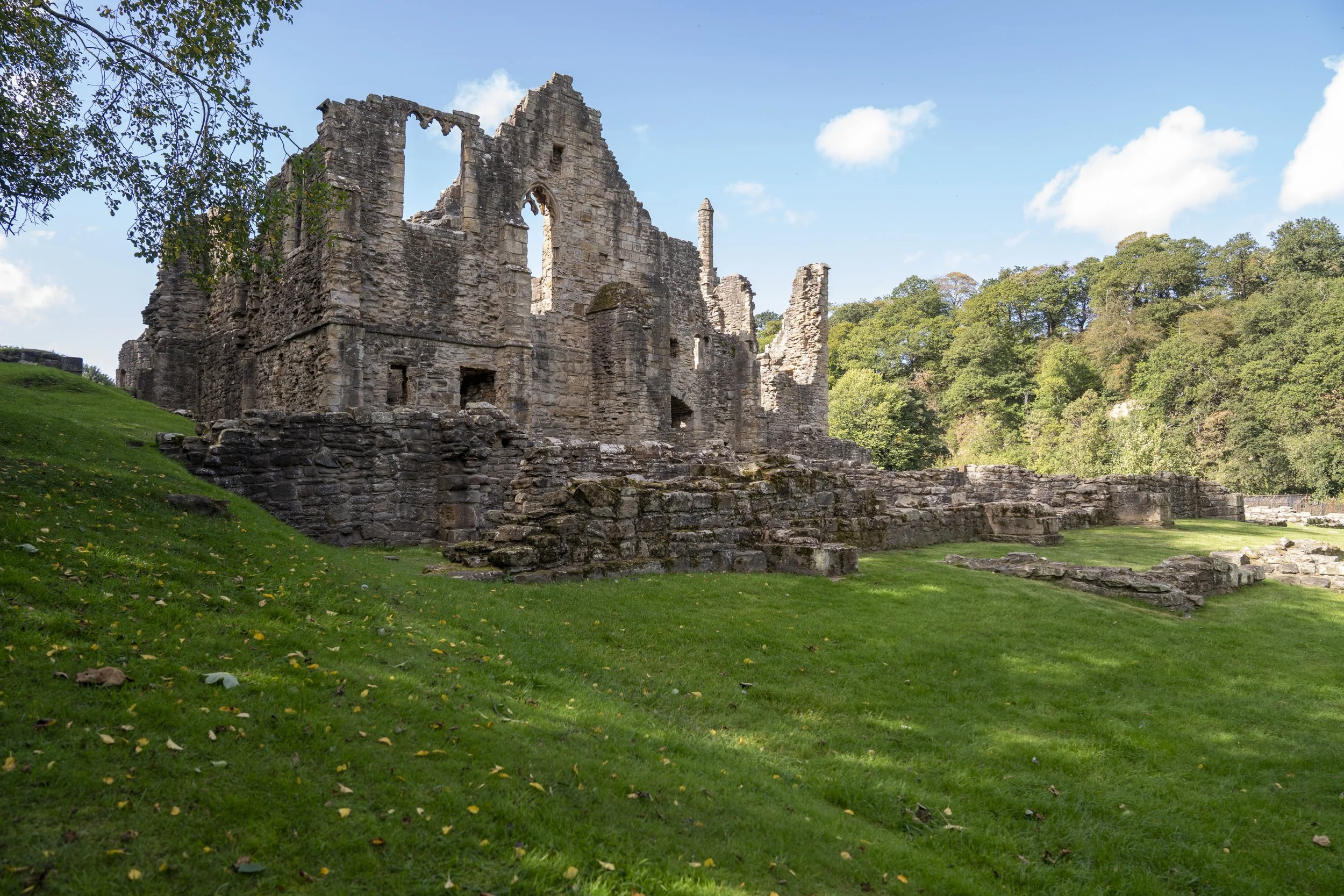
Finchale was closed in 1538 during the Dissolution of the Monasteries under Henry VIII. Once the religious community disappeared, the buildings gradually fell into disrepair and some of the stone was reused elsewhere.
Fortunately, enough remains to give visitors a very good idea of the scale and layout of the priory.
Walking around the site, there are plenty of details to photograph. The stonework is wonderfully weathered, and there are some impressive arches and openings in the remaining walls.
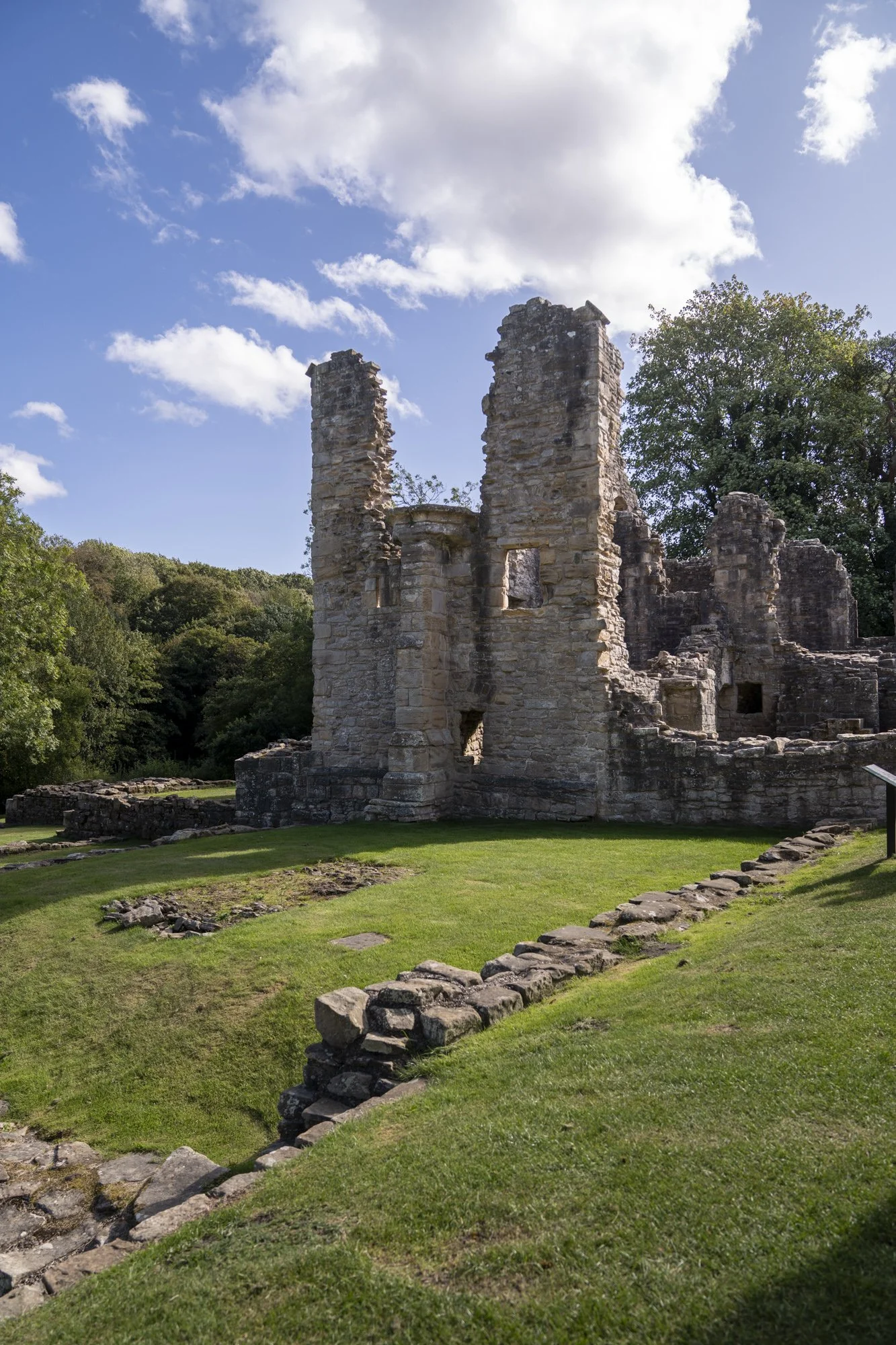
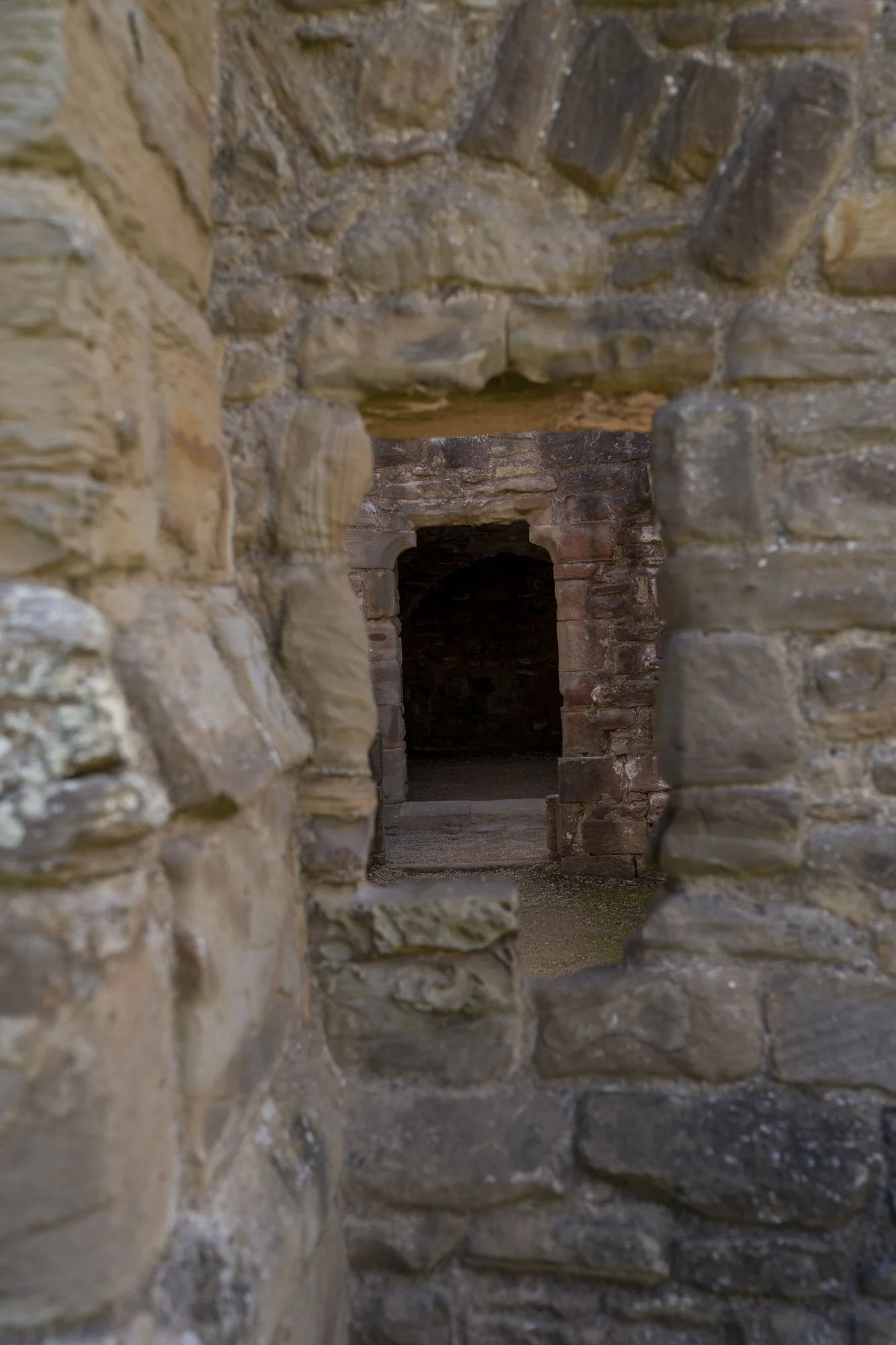
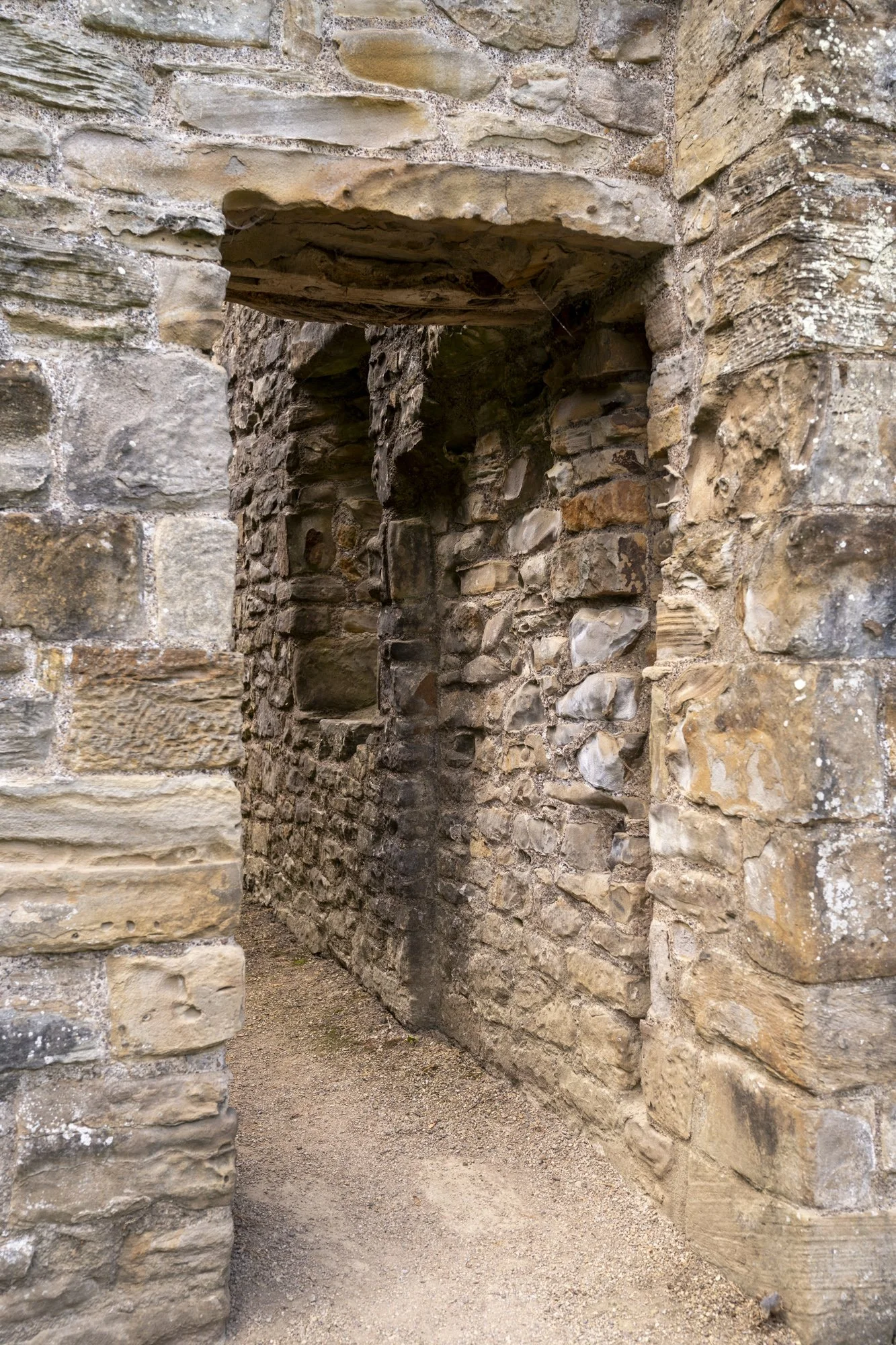
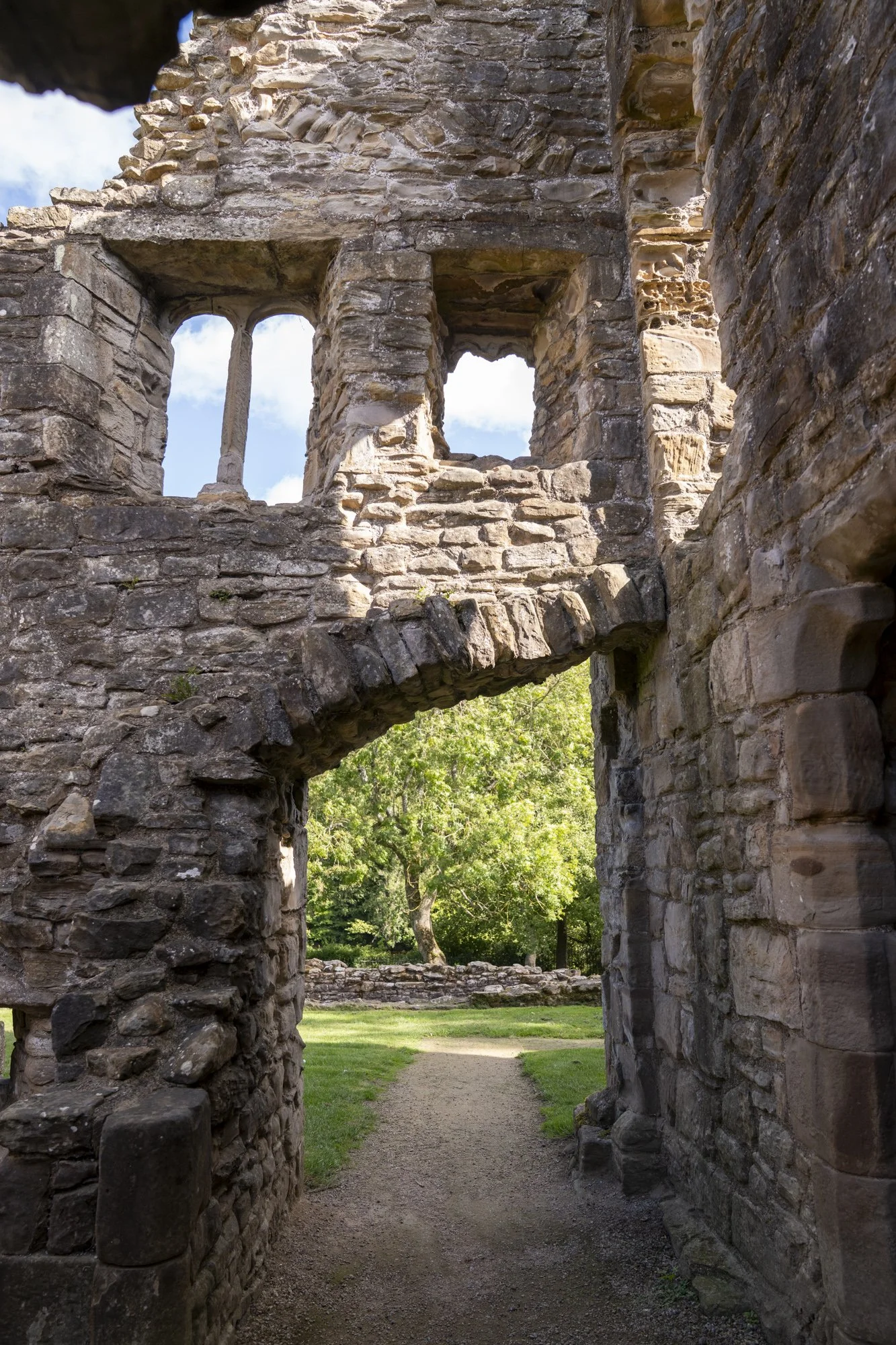
The River Wear also adds something to the location. Depending on where you are standing, you can photograph the ruins with the river, woodland or surrounding countryside, which gives you quite a few different compositions without having to go very far.
Worth a Visit
Finchale Priory is a relatively quiet historic site compared with some of the better-known locations in the area, which is part of its appeal. Honestly I think we saw less than a dozen people the entire time we were there.
It has an interesting history, some impressive remains and a beautiful setting beside the River Wear. You don't need hours to see the site, but there is enough to keep a photographer interested, particularly if you're someone who enjoys photographing old buildings and details rather than just taking the standard tourist photographs.
I'm always fascinated by places like Finchale because what survives is only a small part of the original building, yet you can still get a real sense of the people who lived and worked there.
For anyone visiting Durham and interested in history, architecture or photography, Finchale Priory is certainly worth adding to the list.
And, naturally, I came away with plenty of photographs!