🐾 Nourishing Dogs Naturally: A Conversation with a Local Raw Food Consultant
Part of the Niagara Dog Community Series
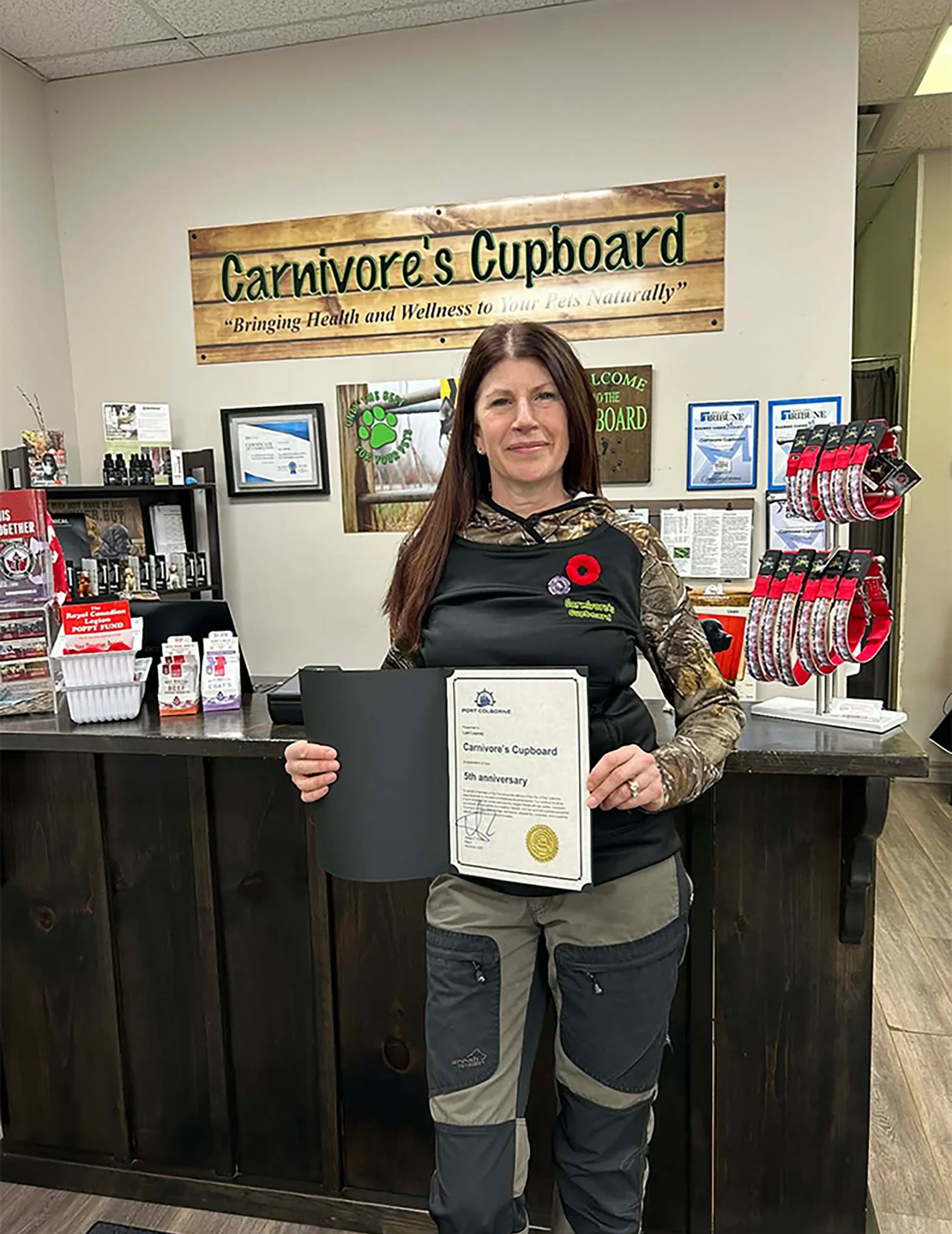
As part of my ongoing series highlighting dog-focused businesses in the Niagara region, I’ve had the pleasure of meeting some truly passionate people. What stands out time and time again is how deeply these individuals care—not just about dogs in general, but about helping each dog live a healthier, happier life.
That passion is exactly what you feel when you speak with Lori, owner of Carnivore’s Cupboard.
Her journey into raw feeding didn’t start as a business idea—it started with curiosity and concern. While working in a traditional pet store, Lori noticed a pattern. Pet owners were frequently coming in with concerns about food intolerances and sensitivities, ongoing health issues, or simply that their dogs weren’t thriving on the food they were eating. Wanting to understand more, she began researching how commercial pet food is processed and what it actually provides nutritionally.
That research led her into the world of raw feeding.
To deepen her knowledge, Lori took pet nutrition courses and went on to work with a local raw dog food processor, gaining hands-on experience—particularly on the retail side, helping pet owners make informed choices. When that company eventually moved to a larger facility and no longer offered a retail space, Lori saw a gap in the community… and decided to fill it.
🥩 What Is Raw Feeding—And Why Are More People Choosing It?
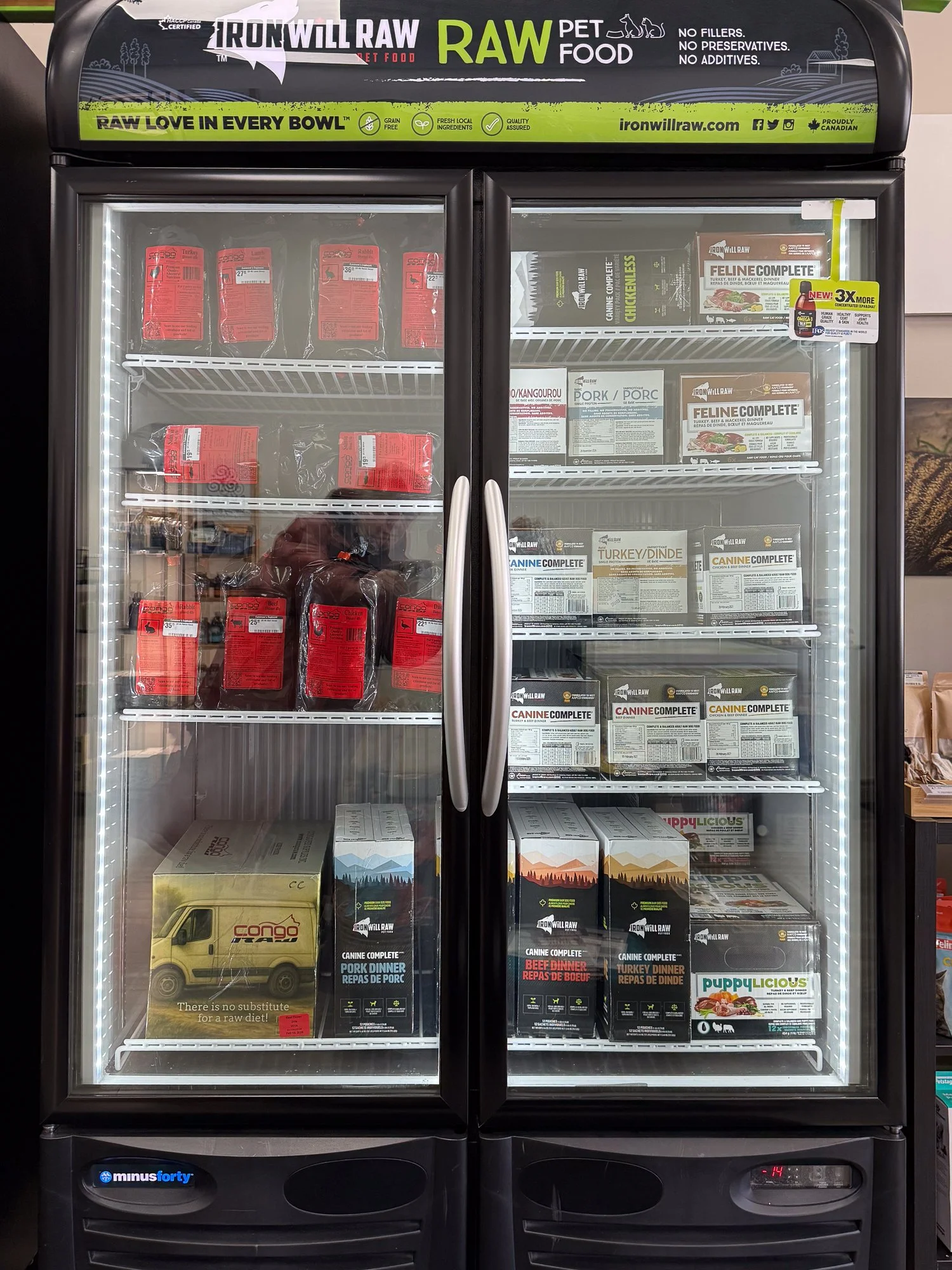
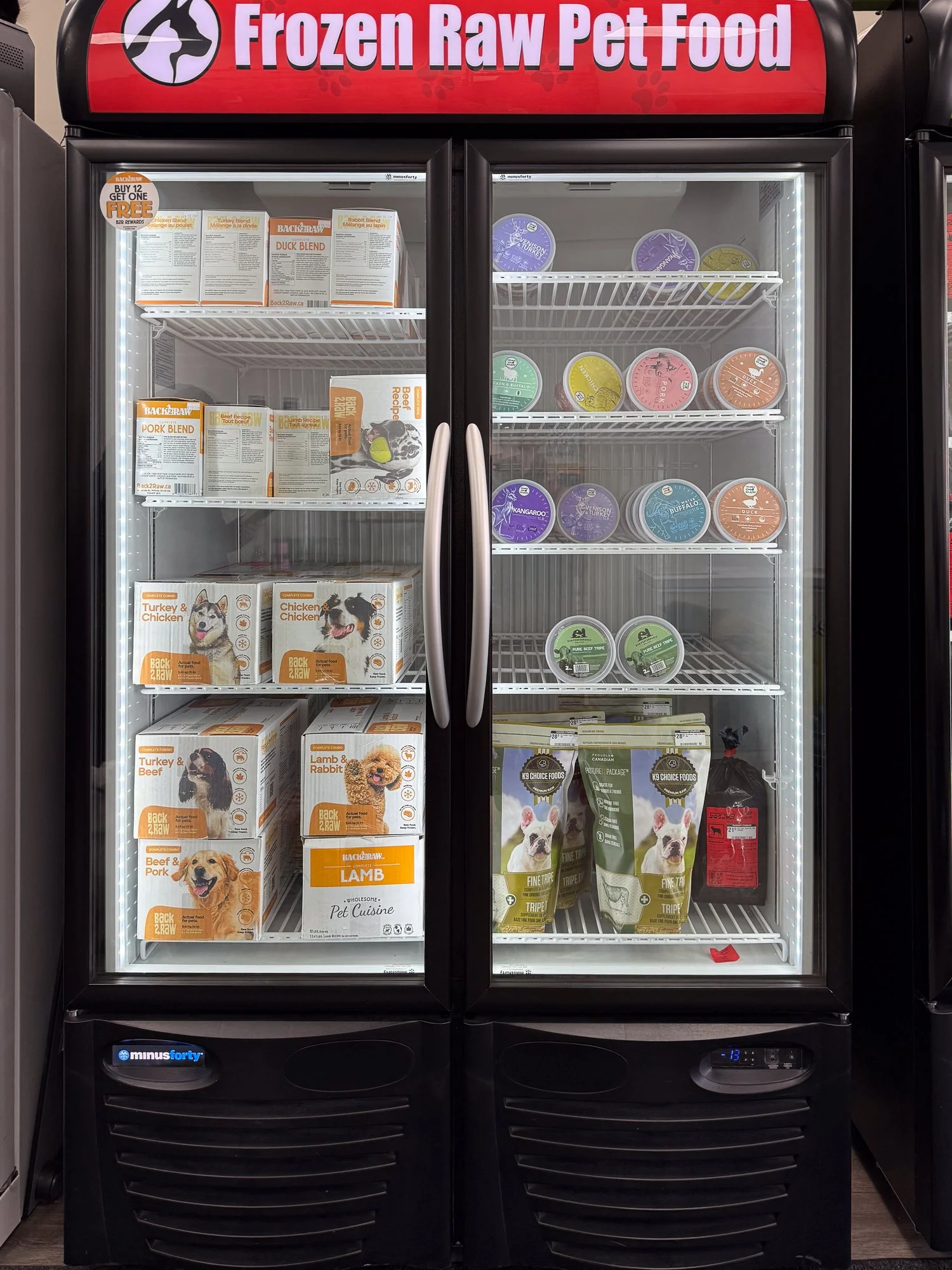
At its core, a raw diet is about feeding dogs what their bodies are naturally designed to process: whole, species-appropriate foods. This includes meat, bone, fruits, and vegetables—without the heavy processing found in many commercial options.
The benefits, according to Lori, can be significant.
Many dogs experience improved skin and coat health, thanks in part to better hydration and with the addition of omega 3 fatty acids. (note: not all raw food has omega 3 fatty acid). Digestive health often improves as well, resulting in smaller, less frequent stools—simply because the dog is actually using more of what it eats, rather than passing fillers. Raw feeding can also support oral health, weight management, and even mental well-being through improved gut health.
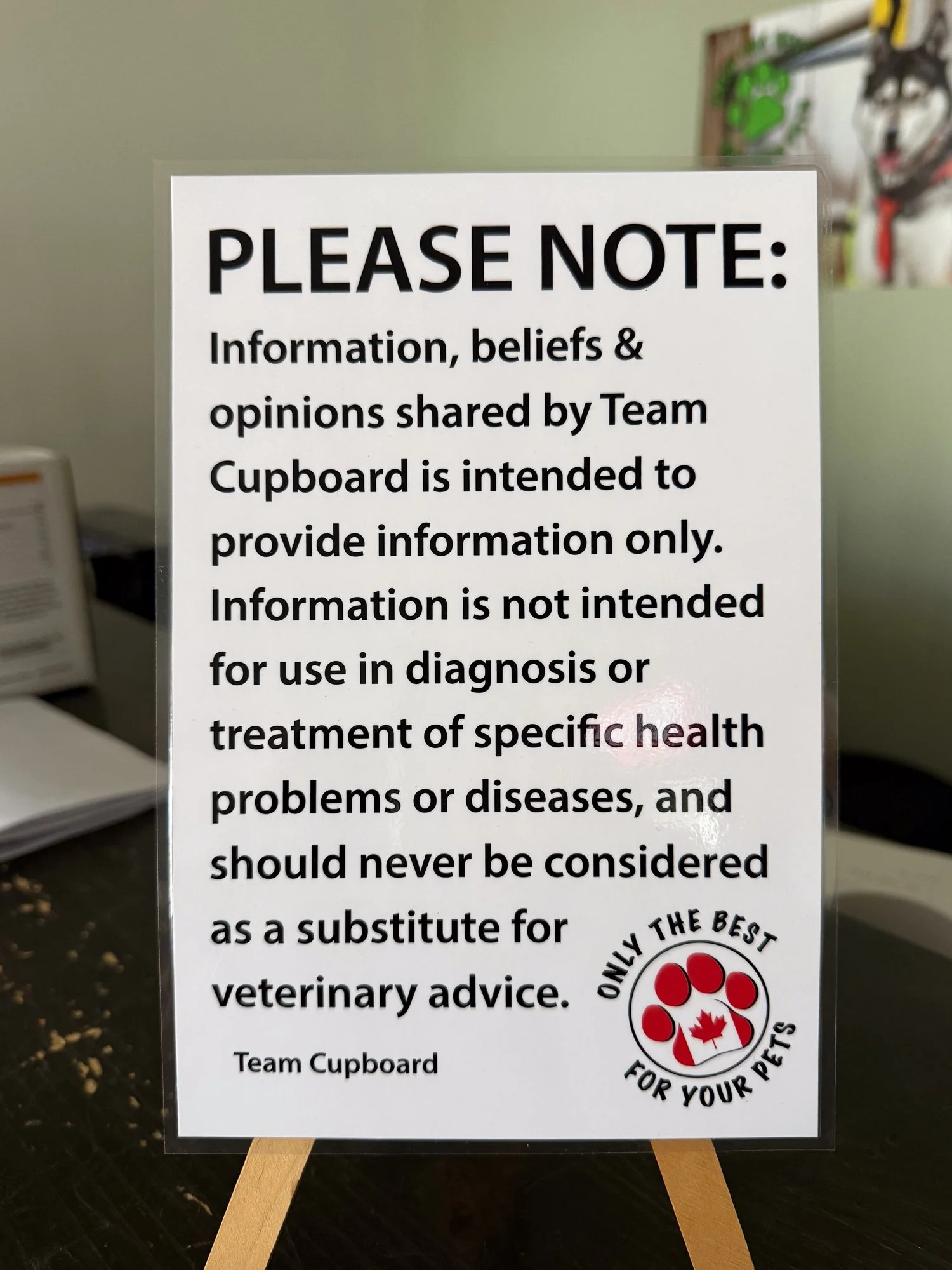
That said, Lori is quick to point out that raw feeding isn’t a one-size-fits-all solution. While it can be suitable for dogs at all life stages—from puppies to seniors—it needs to be done properly, with balanced formulations appropriate for the dog’s age and needs. Some dogs with specific health concerns may do better on a gently cooked diet instead.
Interestingly, cats—being true carnivores—often benefit even more dramatically from a raw diet.
🐕 Making the Transition (The Right Way)
One of the most common mistakes Lori sees is people switching too much, too quickly.
Transitioning to raw should be a gradual process to avoid digestive upset, especially for puppies and senior dogs. Starting by replacing about 25% of the current diet with raw, then slowly increasing to 50%, and eventually to 100%, gives the dog’s system time to adjust.
Patience here really matters—and can make all the difference in how successful the transition is.
🌿 Supporting Health Naturally
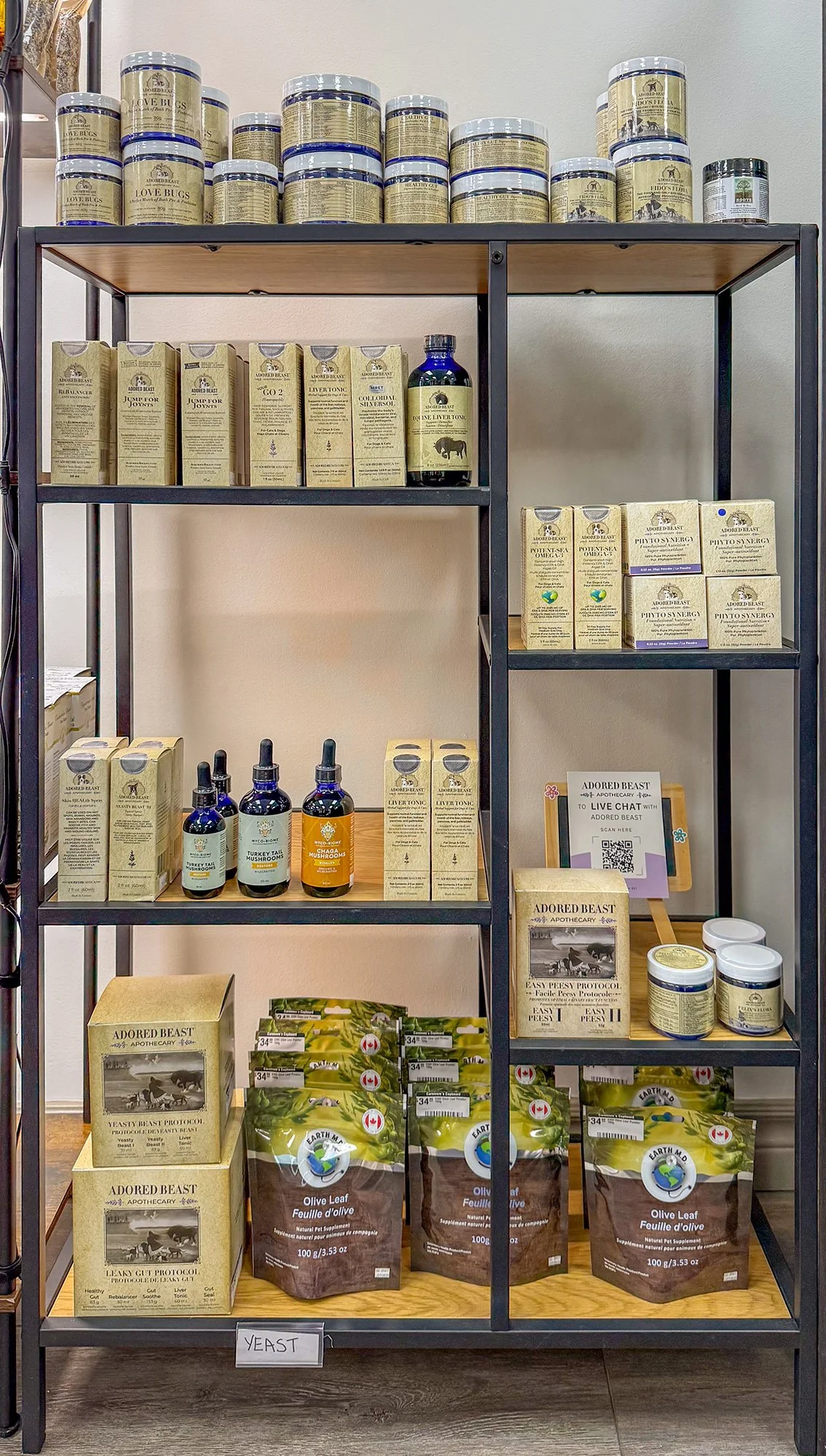
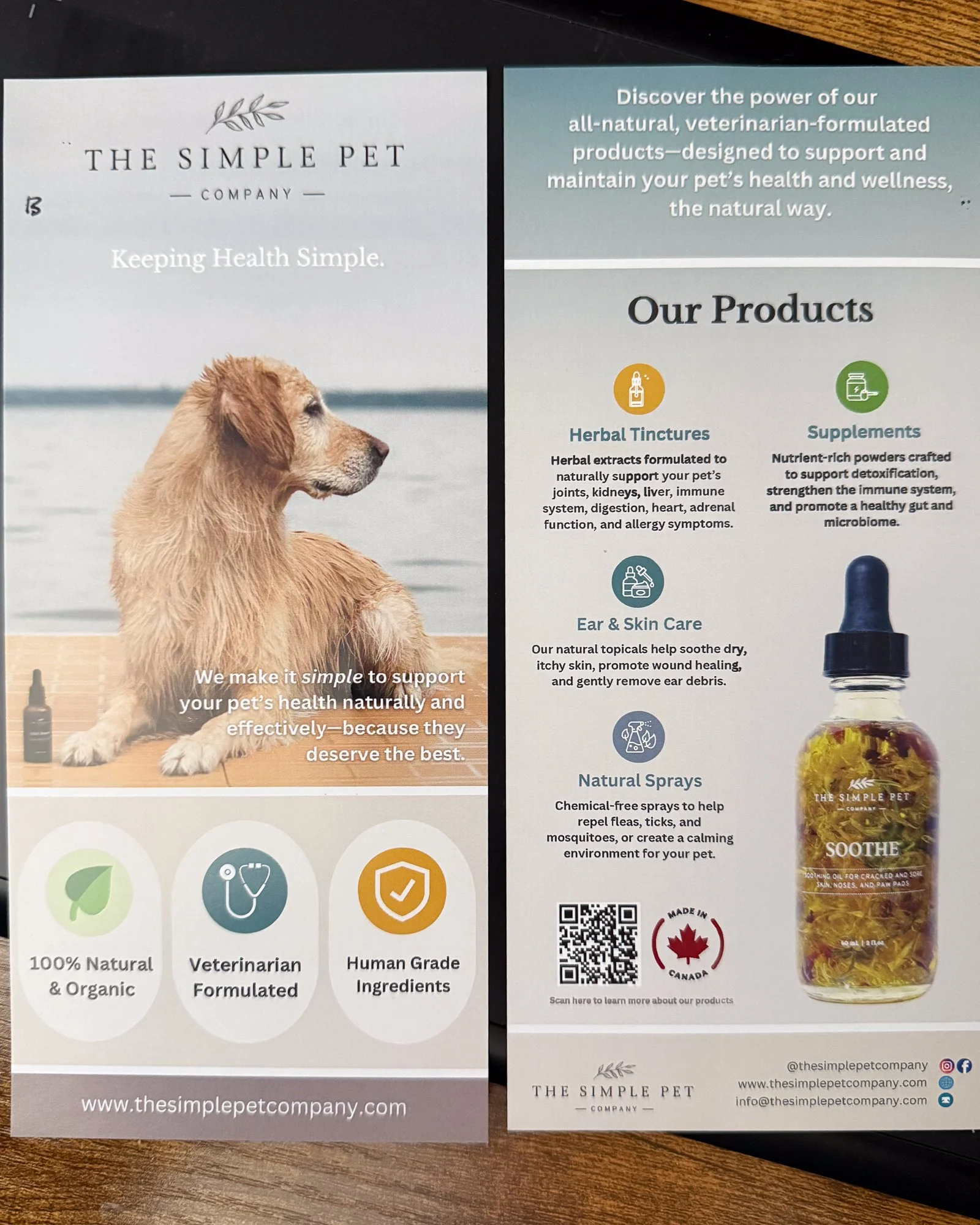
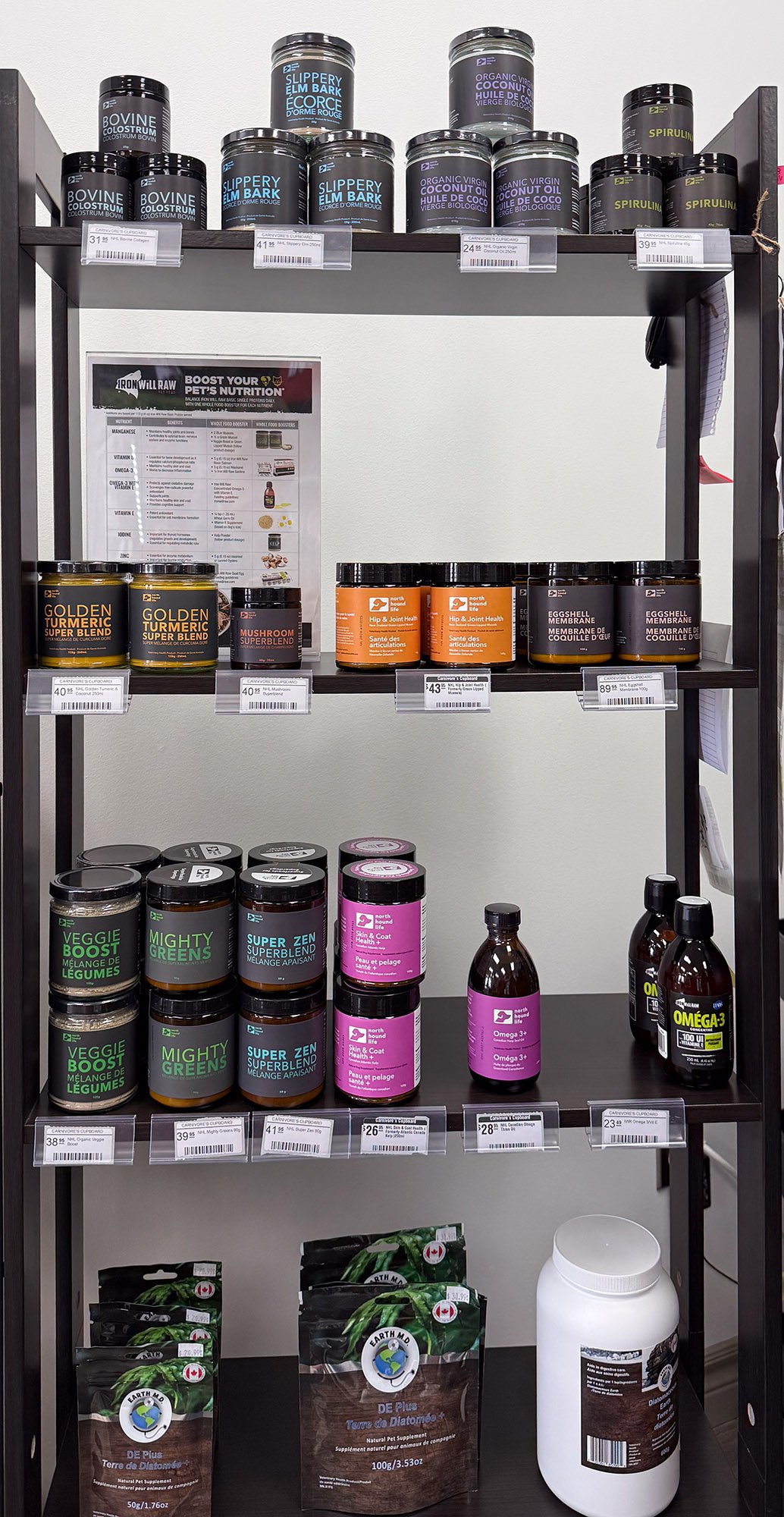
Through her work, Lori frequently sees dogs struggling with sensitivities, food intolerances, ear infections, and yeast-related issues. While natural supplements can play a role in supporting these conditions, she emphasizes that there’s no universal solution.
Every dog is different.
Rather than recommending a one-size-fits-all approach, Lori encourages pet owners to have a conversation—both with her and with their veterinarian—to find the right combination of nutrition and supplementation tailored to their individual dog.

🧠 Enrichment: More Than Just Physical Exercise
Nutrition is only one piece of the puzzle when it comes to a dog’s overall well-being.
Mental stimulation and/or enrichment is just as important.
Simple activities like hiding food for your dog to find, using snuffle mats or lick mats, or even placing treats in everyday items like egg cartons or rolled towels can provide valuable mental engagement. These activities not only relieve boredom but also strengthen the bond between dog and owner, giving dogs a chance to problem-solve and “work” in a way that feels natural to them.
And perhaps best of all—they’re easy to do at home, even on those long winter days when getting outside isn’t always an option.
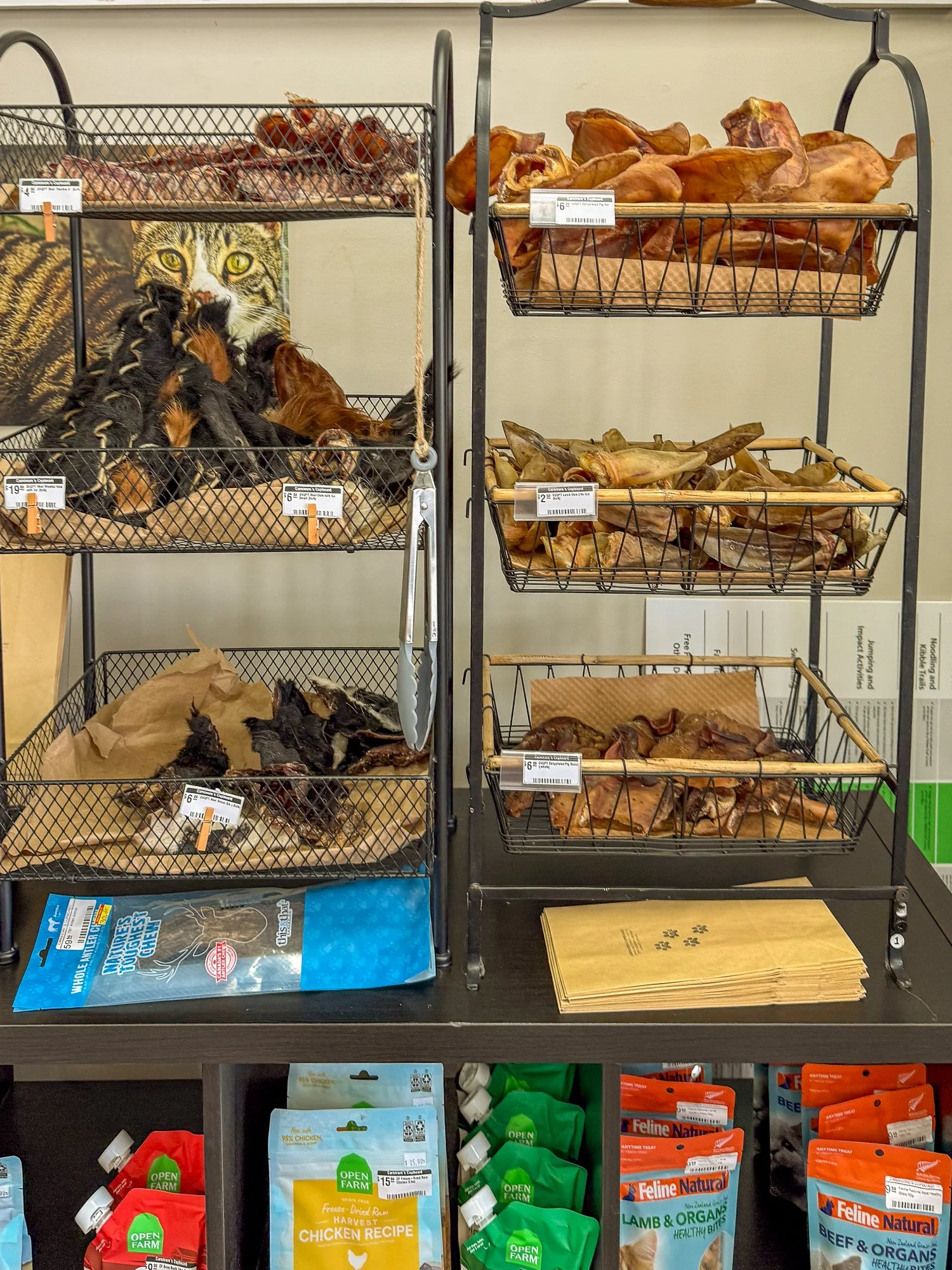
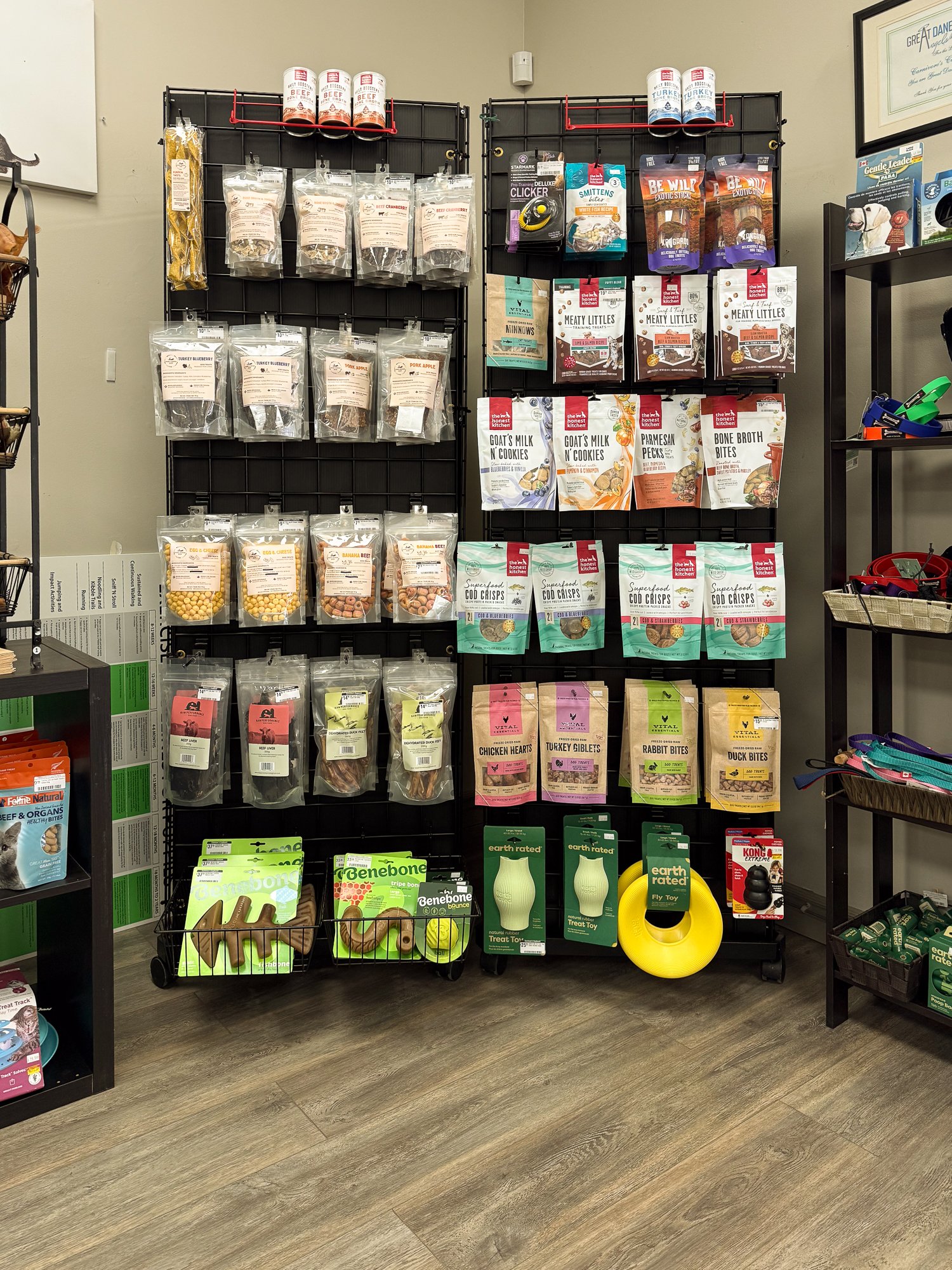
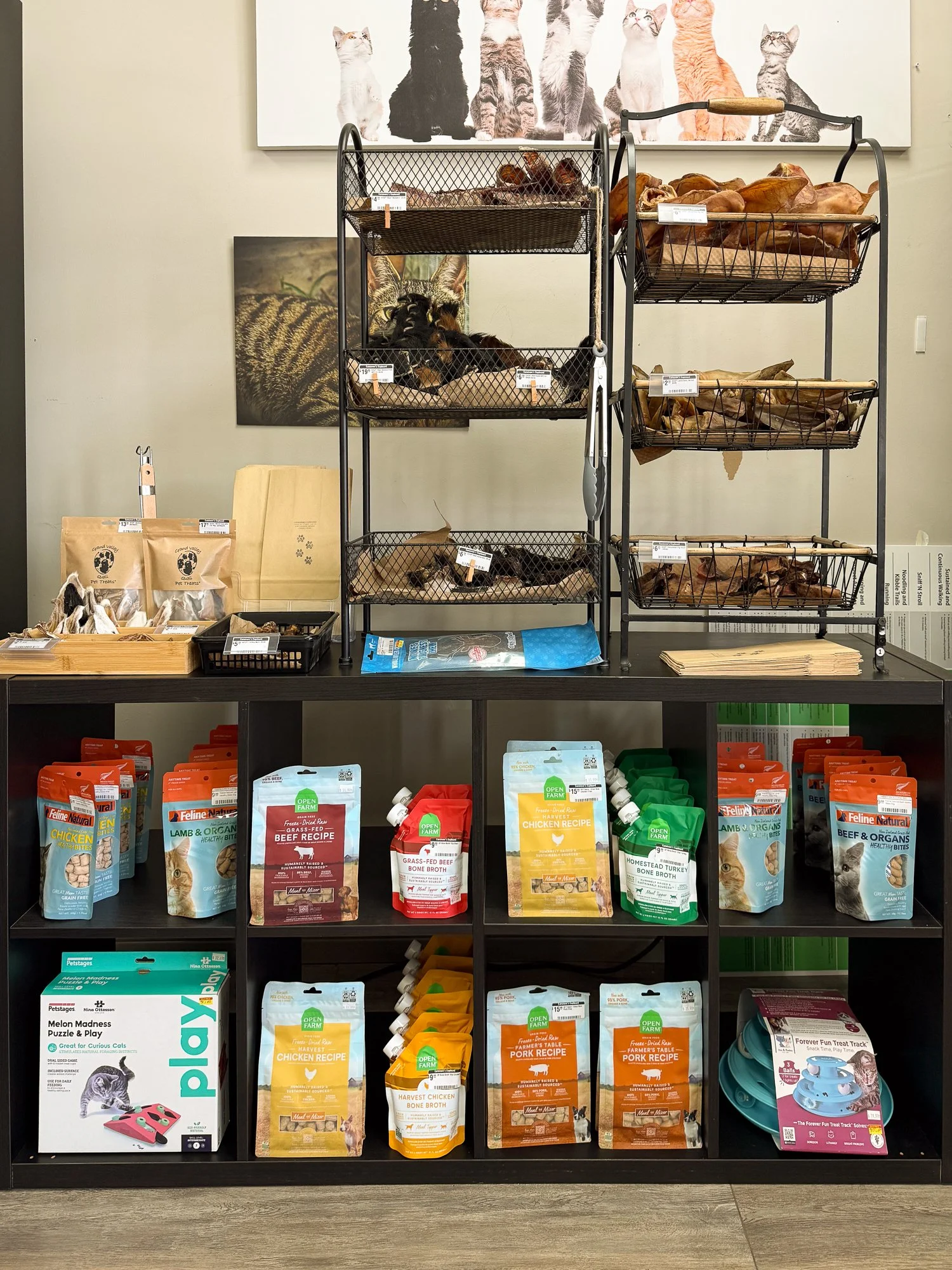
All natural treats
🦴 Thoughtfully Chosen Products
Every product in Lori’s store is carefully selected, starting with thorough research and ending with the most important test of all—her own dogs.
If they don’t love it, it doesn’t make it onto the shelves.
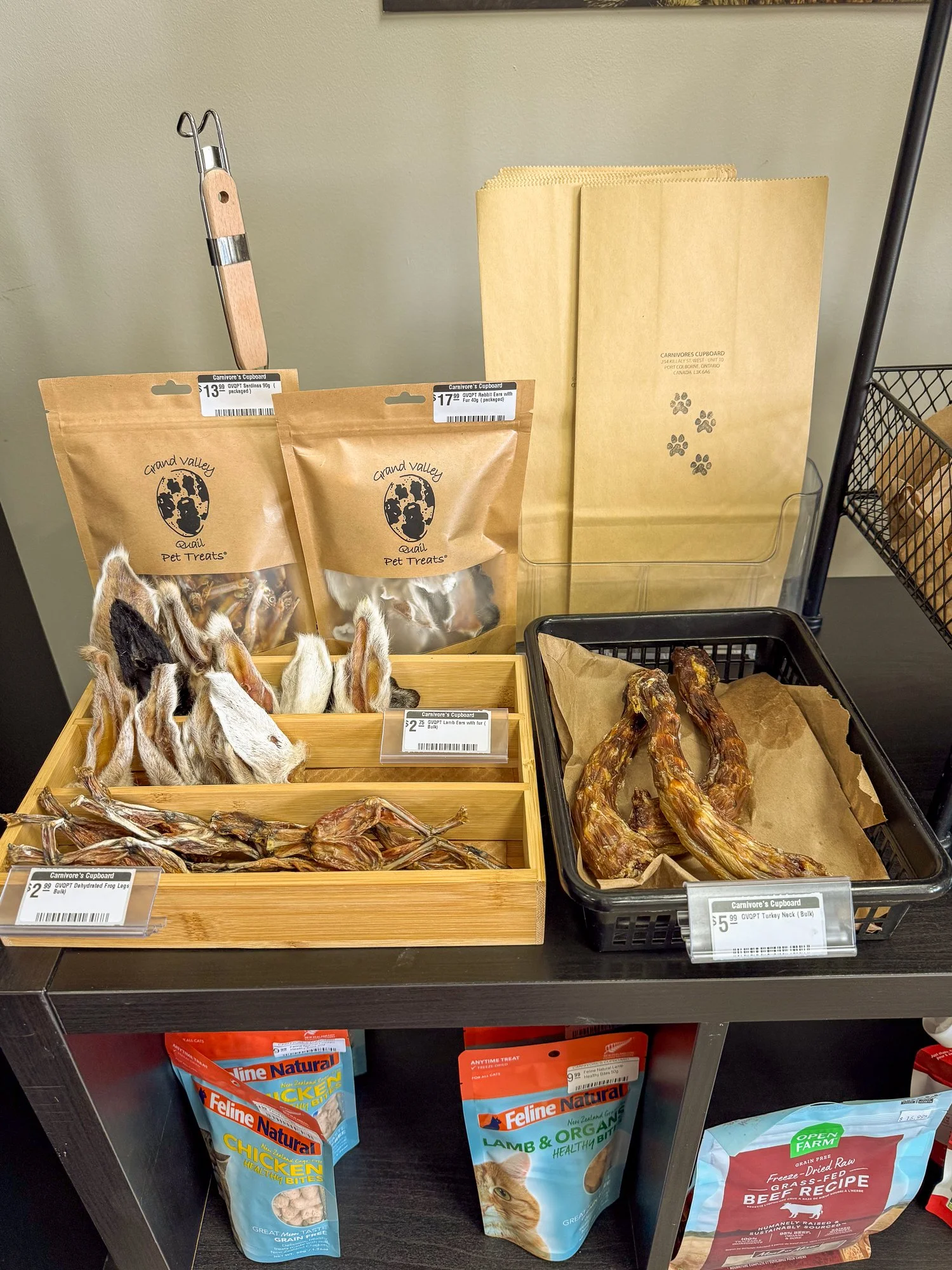
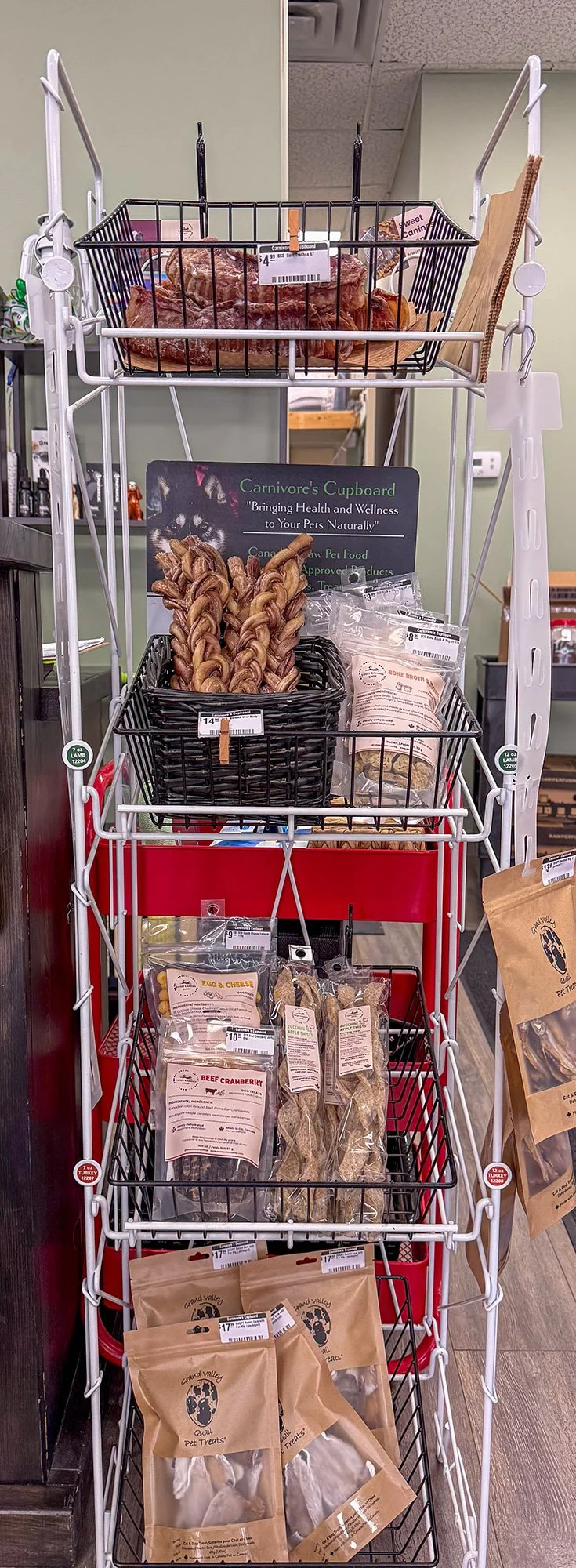
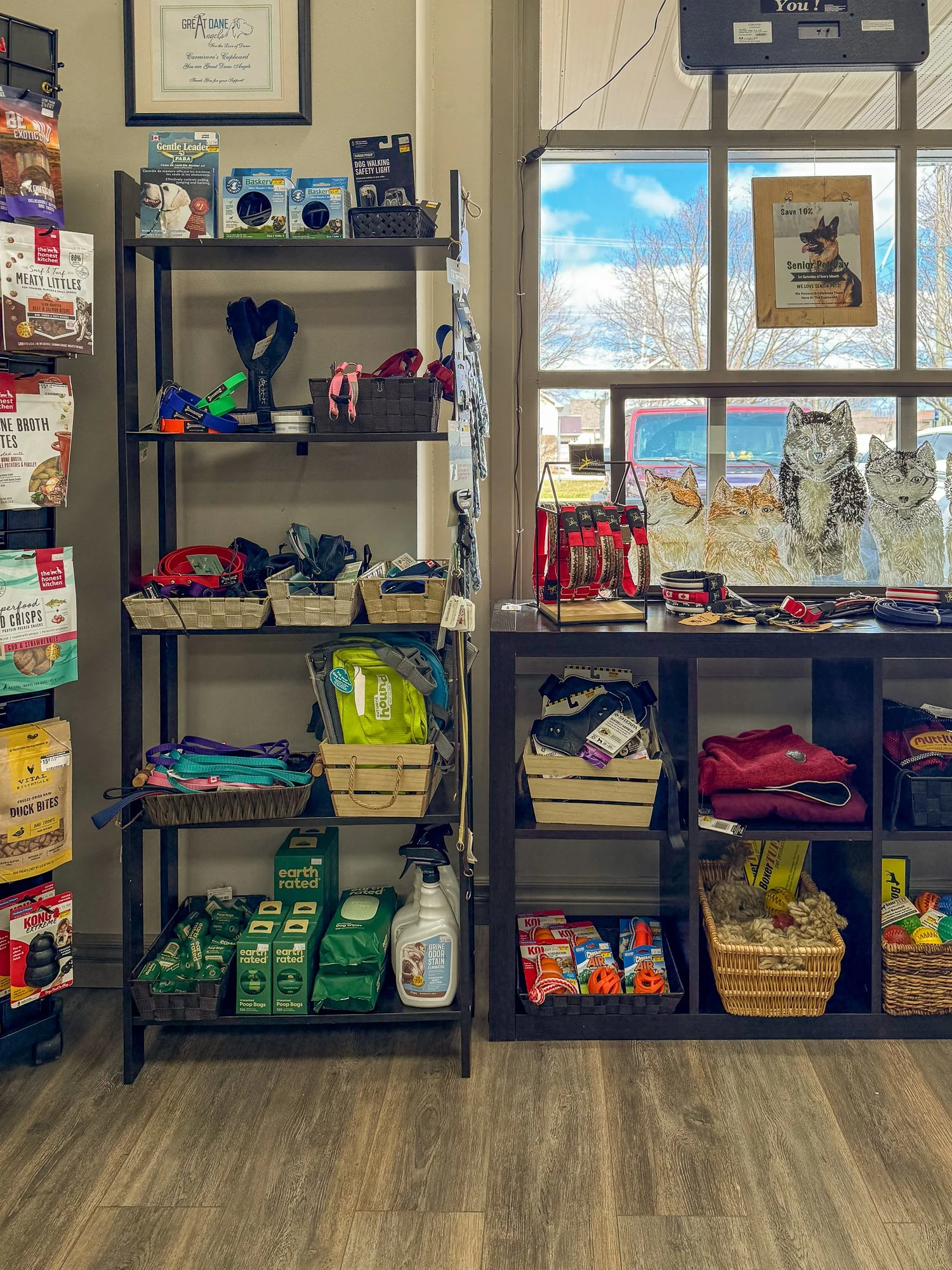
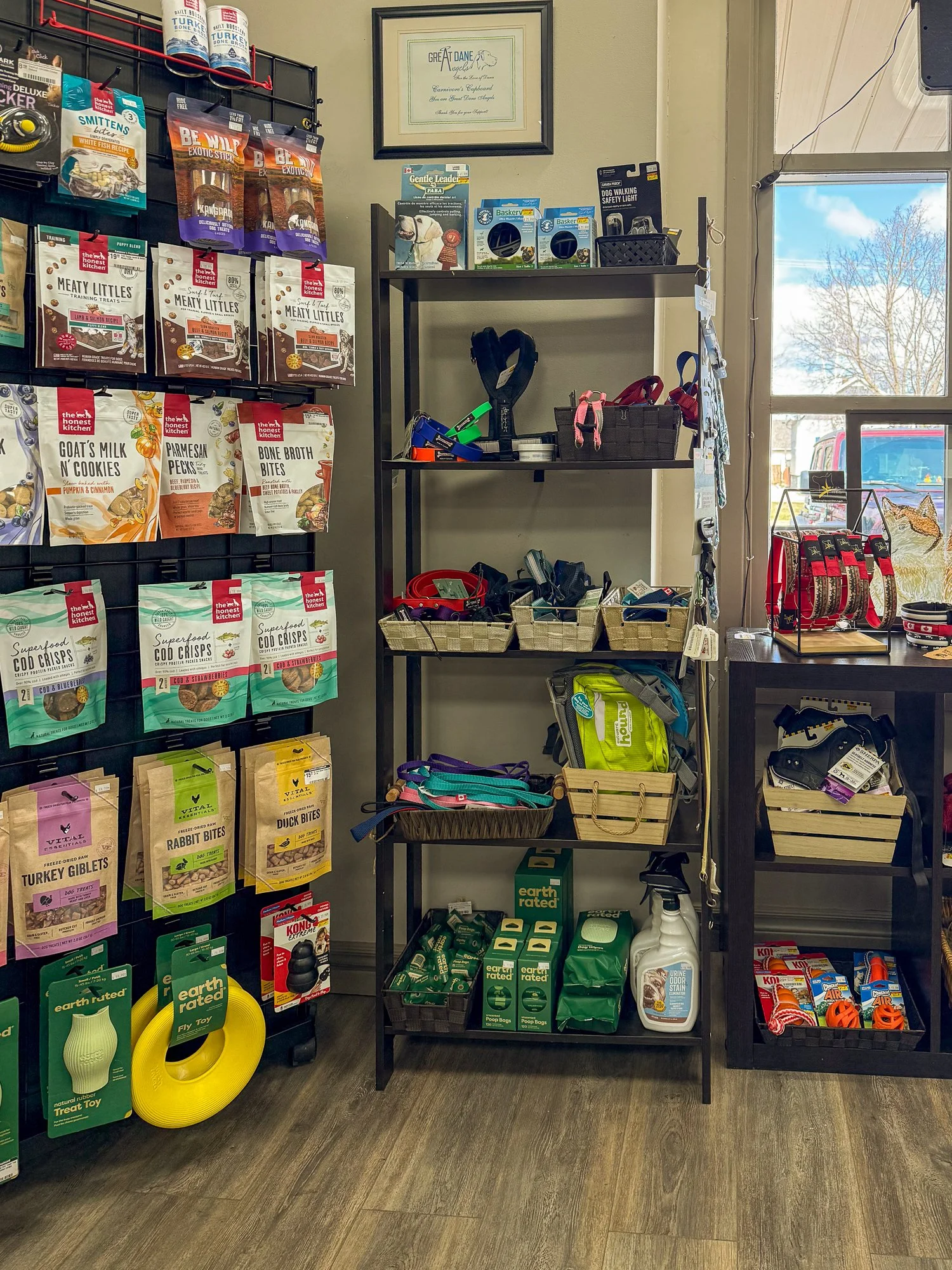
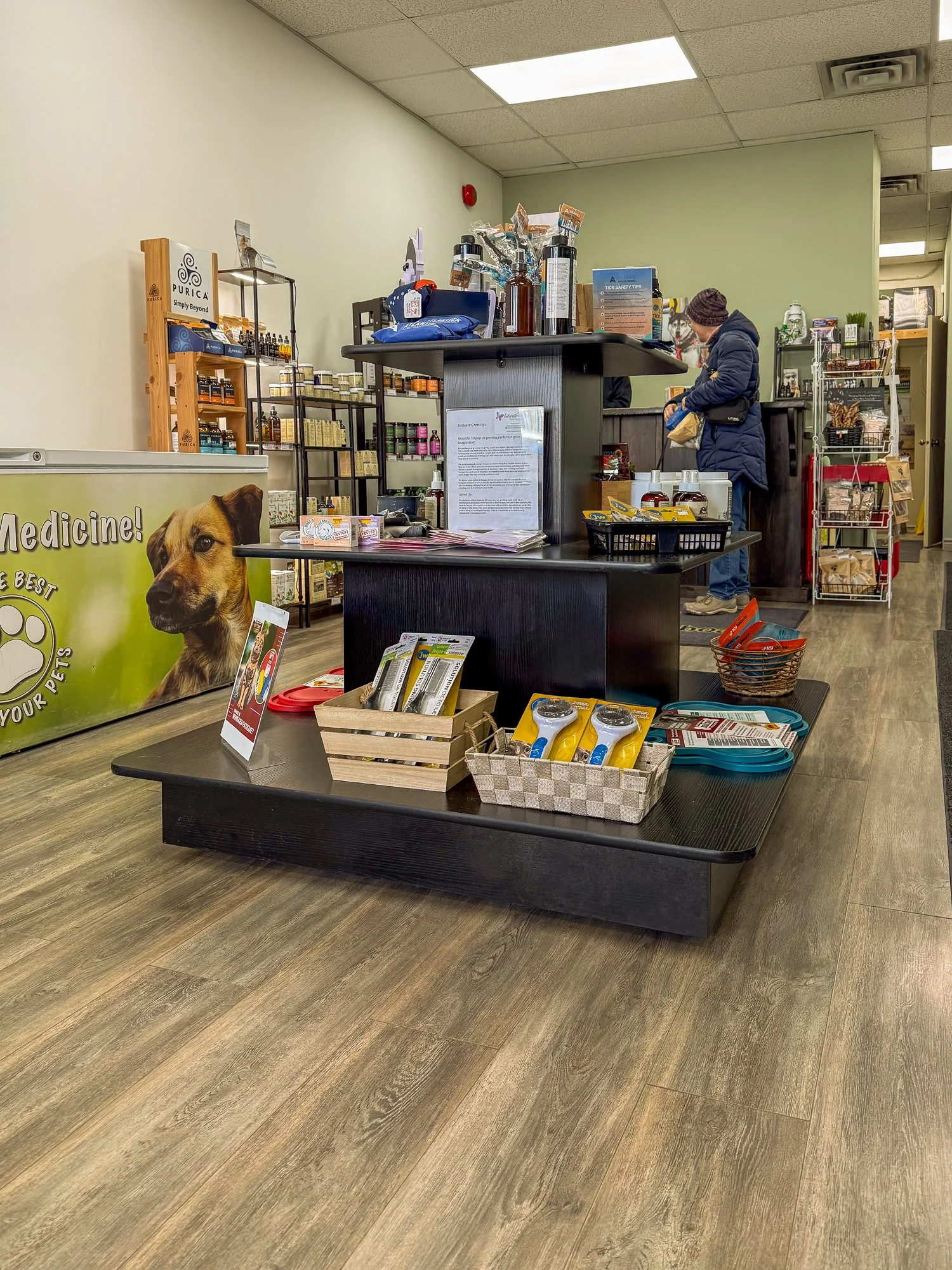
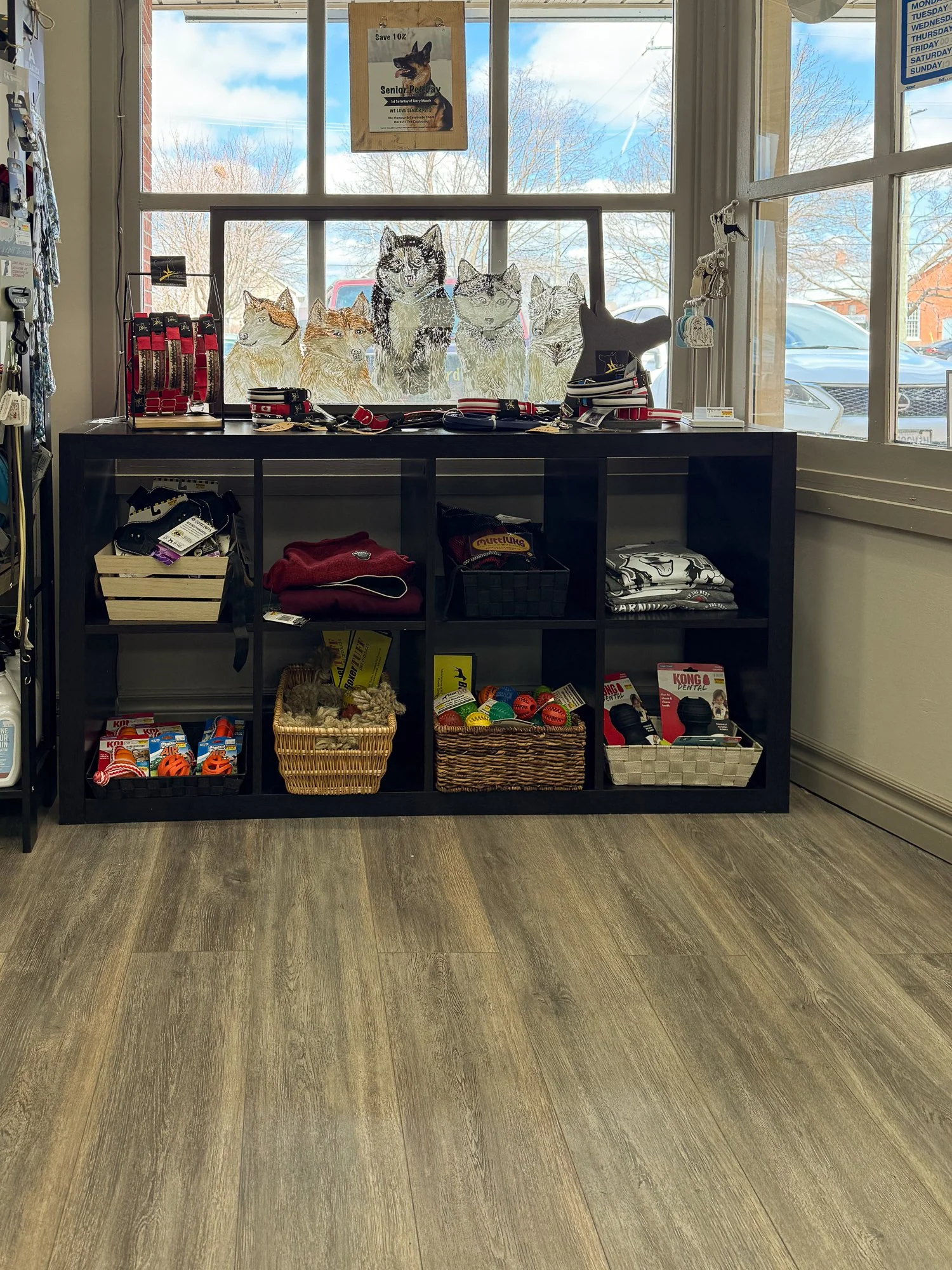
Among the more unique offerings are pet intolerance tests that screen for hundreds of sensitivities, high-quality single-ingredient treats (both dehydrated and freeze-dried), and specialized pre- and probiotics designed to actually survive and function within a dog’s digestive system.
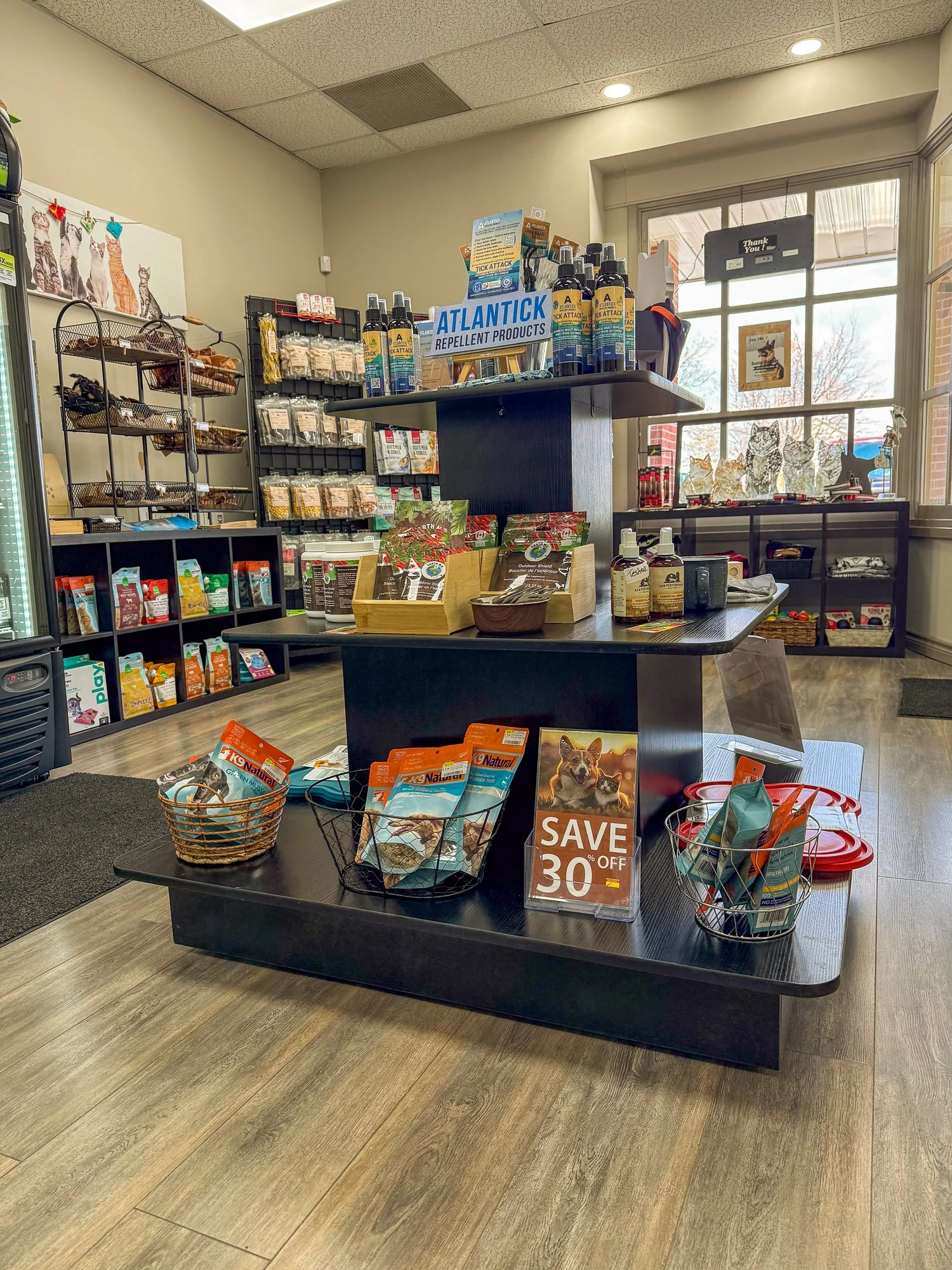
one of the many displays at Carnivore’s Cupboard
❤️ A Personal Connection
At home, Lori shares her life with her husband and their three dogs—a pair of Siberian Huskies and a working-line German Shepherd. They’re fed a variety of the raw foods available in her store, allowing for dietary diversity, along with supplements as needed and meaty bones to round things out.
It’s clear that everything she recommends comes not just from education, but from lived experience.
And for Lori, that’s what makes this work so meaningful.
Helping dogs live better, healthier lives through proper nutrition isn’t just her business—it’s what drives her every day.
One story that stands out involves two Shih Tzus who came into the store with diabetes. After transitioning to a raw diet, one was able to come off insulin entirely, while the other required significantly less. Stories like that are a powerful reminder of just how impactful proper nutrition can be.
✨ Simple Tips to Improve Your Dog’s Nutrition
For those not quite ready to make the switch to raw, Lori offers a reassuring message: you can still make meaningful improvements using what you already have at home.
Adding whole foods like eggs, bone broth, and dog-safe fruits and vegetables to your dog’s kibble can boost nutritional value in a simple, accessible way. The key is to focus on real, minimally processed foods whenever possible.
And as always, if you’re introducing new foods without professional guidance, it’s important to double-check what’s safe—some common foods can be harmful to dogs.
🐾 Supporting Local, Supporting Our Dogs
What I love most about businesses like Lori’s is the intention behind them. This isn’t about selling products—it’s about education, support, and genuinely wanting to see dogs thrive.
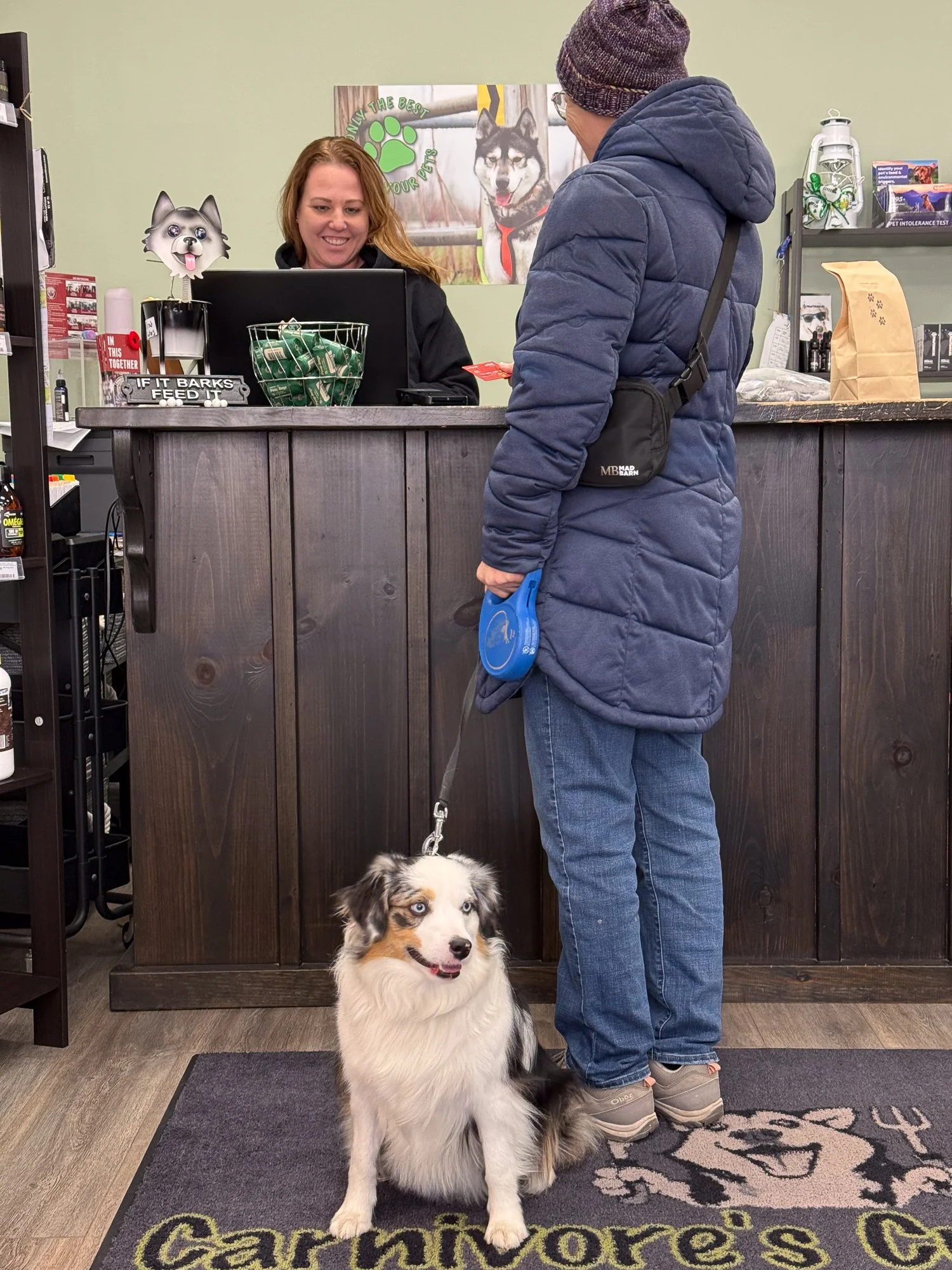
If you’ve ever been curious about raw feeding, natural supplements, or even just adding a bit more enrichment into your dog’s daily life, this is the kind of place where you can walk in, ask questions, and leave feeling more confident in the choices you’re making.
And at the end of the day, that’s what this series is all about—connecting you with people in our community who are making a difference in the lives of our dogs.