A Few Hours in Seaham – Meeting Tommy by the Sea
My return to England this year is, as usual, a mixture of photography, family time and trying to squeeze as much exploring as possible into the weeks I have here.
That said my spine and sciatica had other plans. I have 2 weeks in England - home base is Houghton-le-spring, then a week with That Tog Spot in Scotland - Edinburgh and the Cairngorms - then back to Houghton-le-springs until I go back to London for the flight back to Toronto
My adventures have been somewhat more limited than I would have liked. However, last week I managed a couple little outing, The first one was to Seaham, on the Durham coast, and I'm very glad I did.
I only had a couple of hours, but sometimes you don't need a whole day to discover somewhere interesting.
A little bit about Seaham
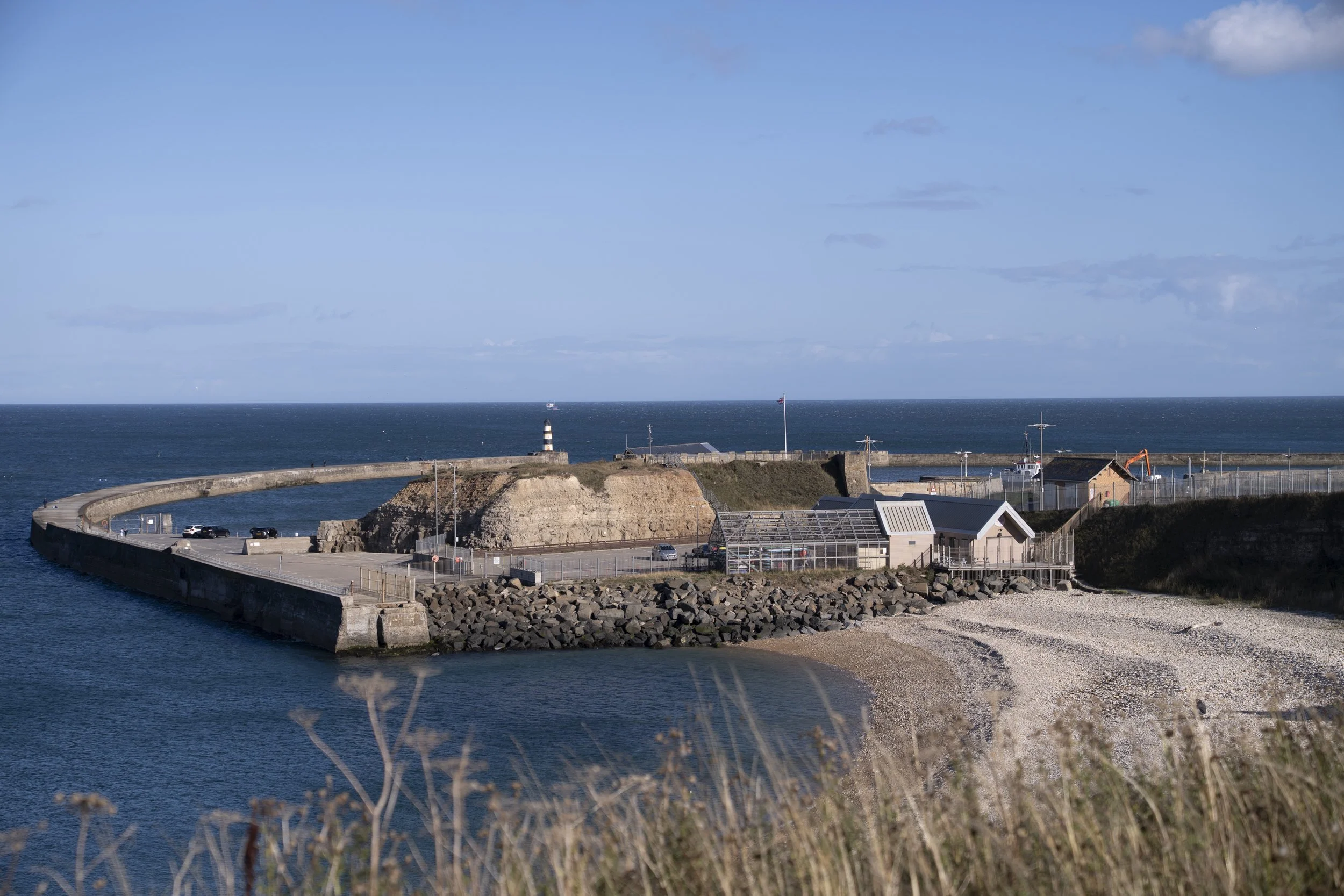
Seaham sits on the North Sea coast of County Durham, just south of Sunderland. Although today it is perhaps best known for its coastline, harbour, sea glass and beautiful seaside views, Seaham's history is very much tied to coal.
It wasn't always the sizeable coastal town we see today. The original settlement was a small village, with scattered farms, an ancient parish church and Seaham Hall. The development of the modern town really began in the 19th century, when the Londonderry family played a major role in developing the harbour and the coal industry.
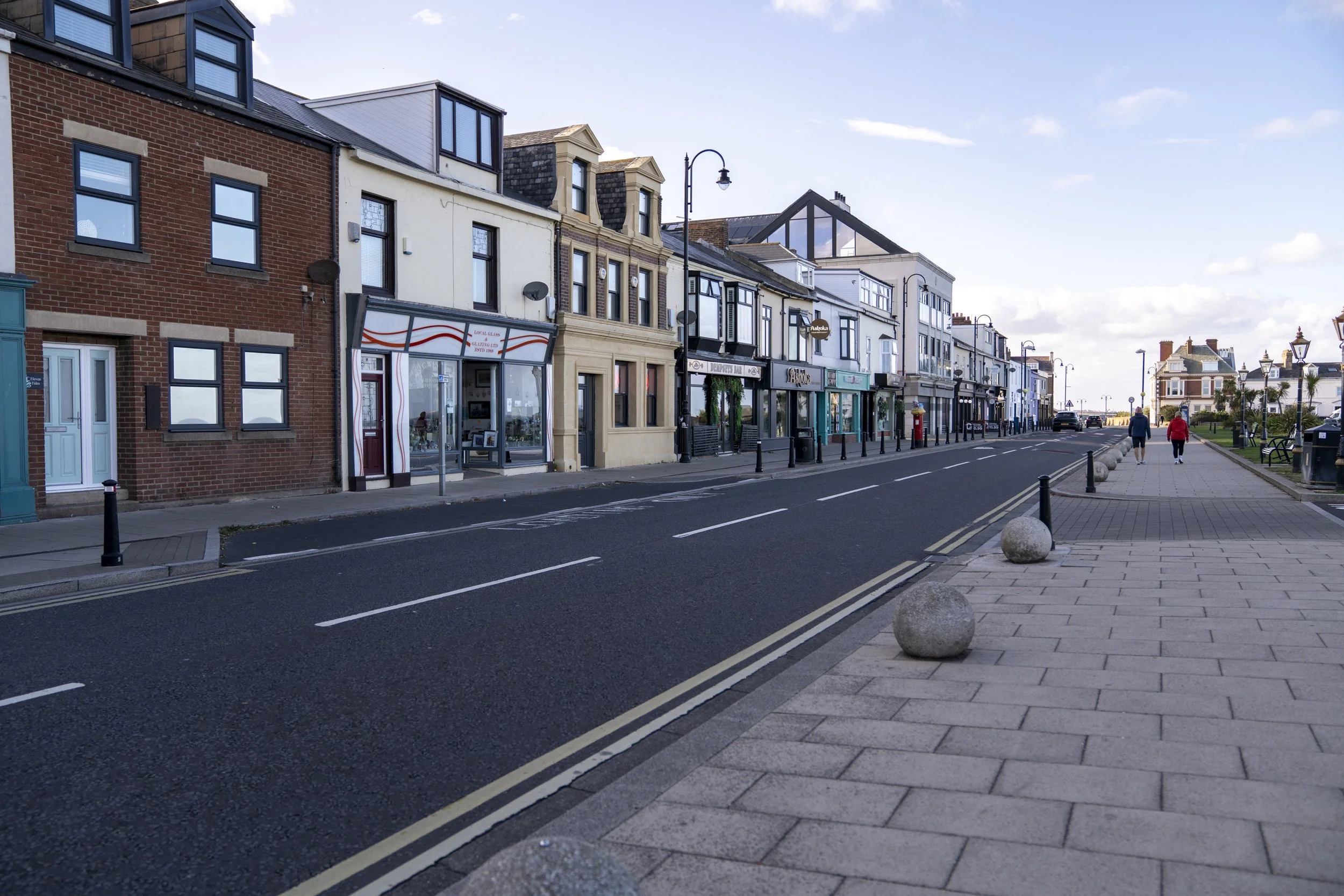
The first coal pit at Seaham began sinking in 1845, followed by Seaham Colliery, sometimes known as the Low Pit, in 1849. The first coal was brought to the surface in 1852. The harbour provided an important means of transporting the coal, and the town grew alongside the mining industry. (Seaham)
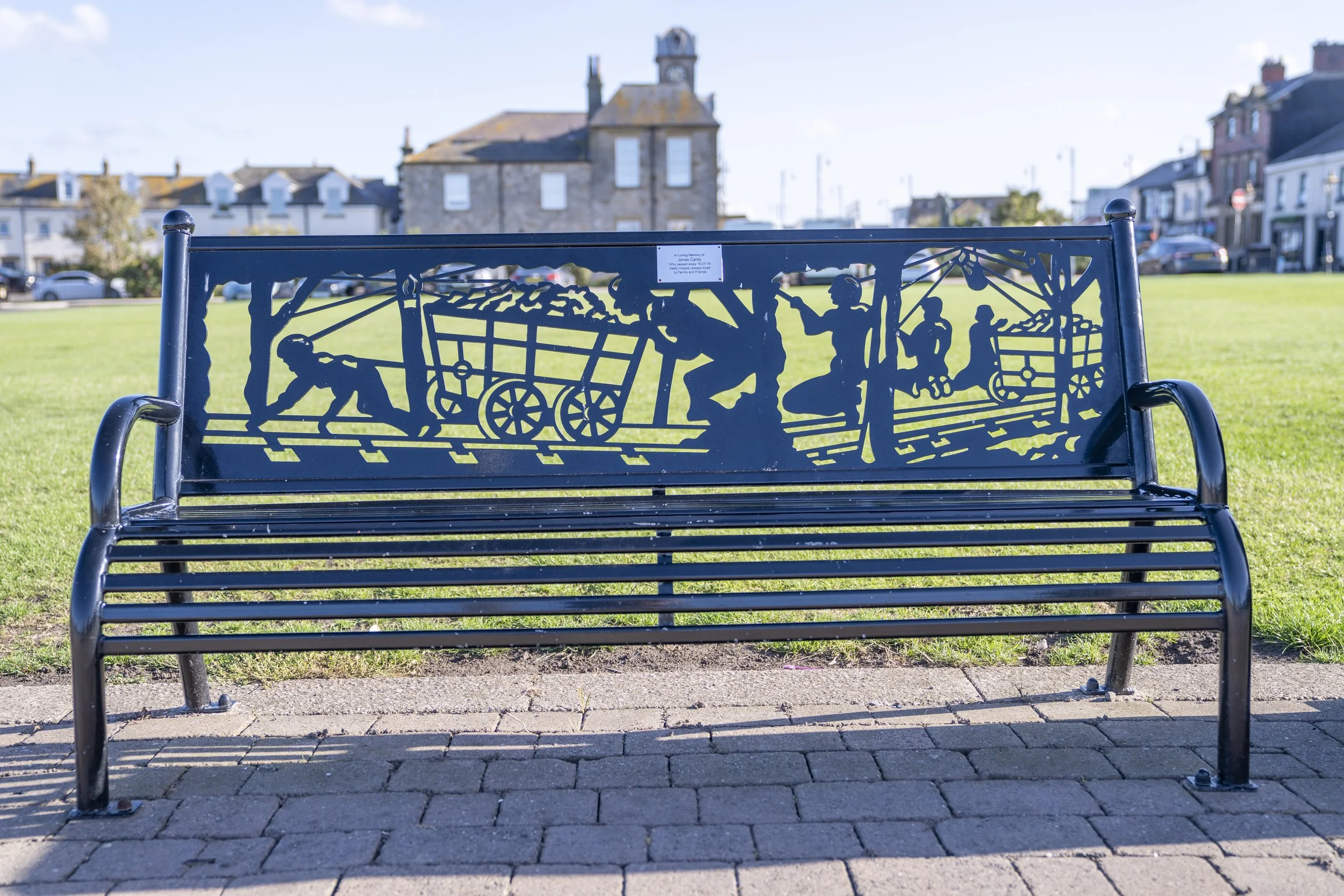
Like so many communities in the North East, Seaham's mining history came at a considerable human cost. Mining accidents, explosions and the difficult conditions faced by miners and their families became part of the town's story.
Eventually the mines closed and, like many former mining communities, Seaham entered a period of change. Today the harbour and coastline are being enjoyed in a very different way, with the seafront, marina and surrounding Durham Heritage Coast attracting visitors from well beyond the area. (Durham Democracy)
And then there is the sea itself.
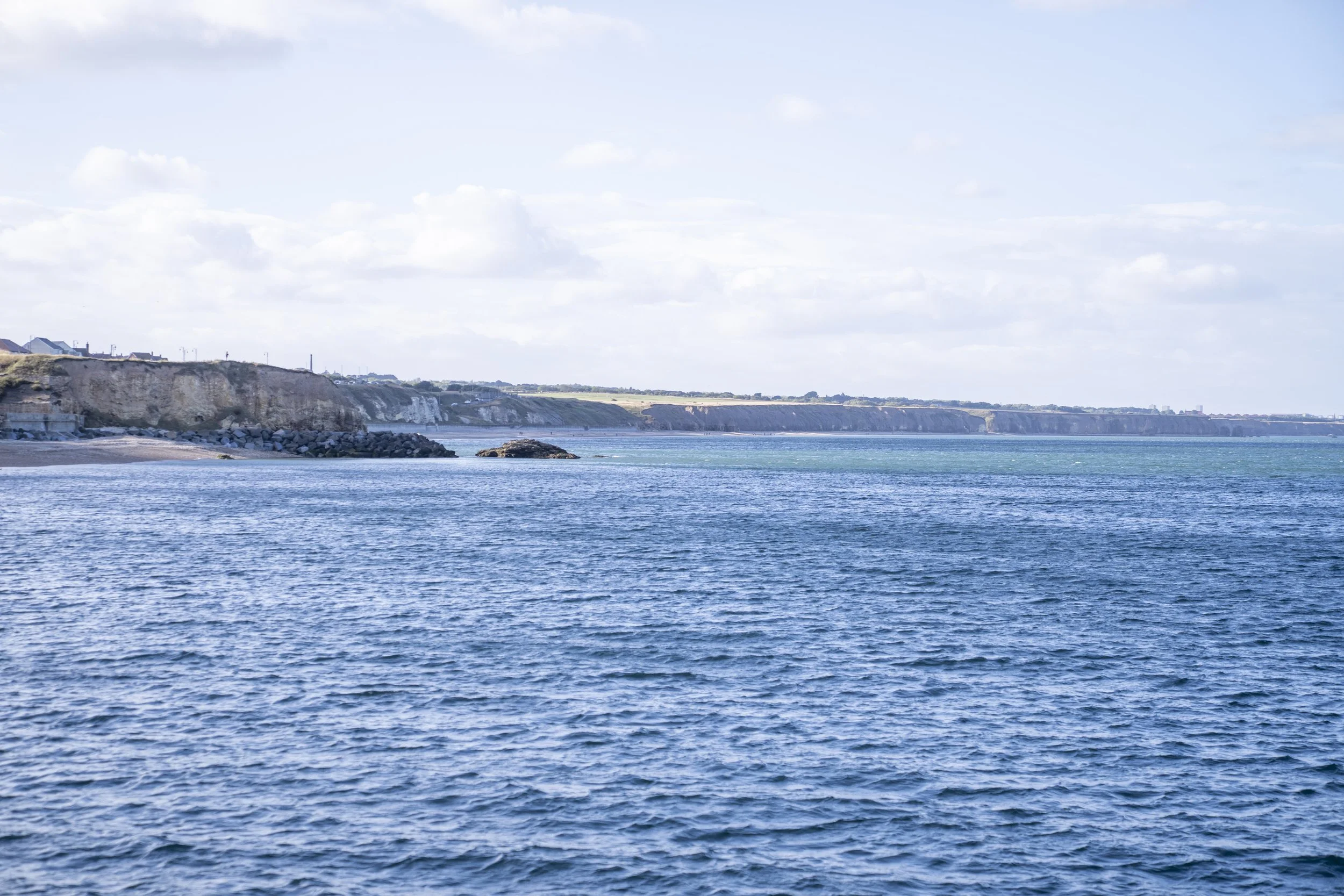
Seaham has become particularly well known for its sea glass, with pieces of beautifully weathered glass appearing along the shoreline — another reminder that the sea has been shaping and changing this coastline for generations.
Meeting Tommy
The main reason for my visit, though, was Tommy.
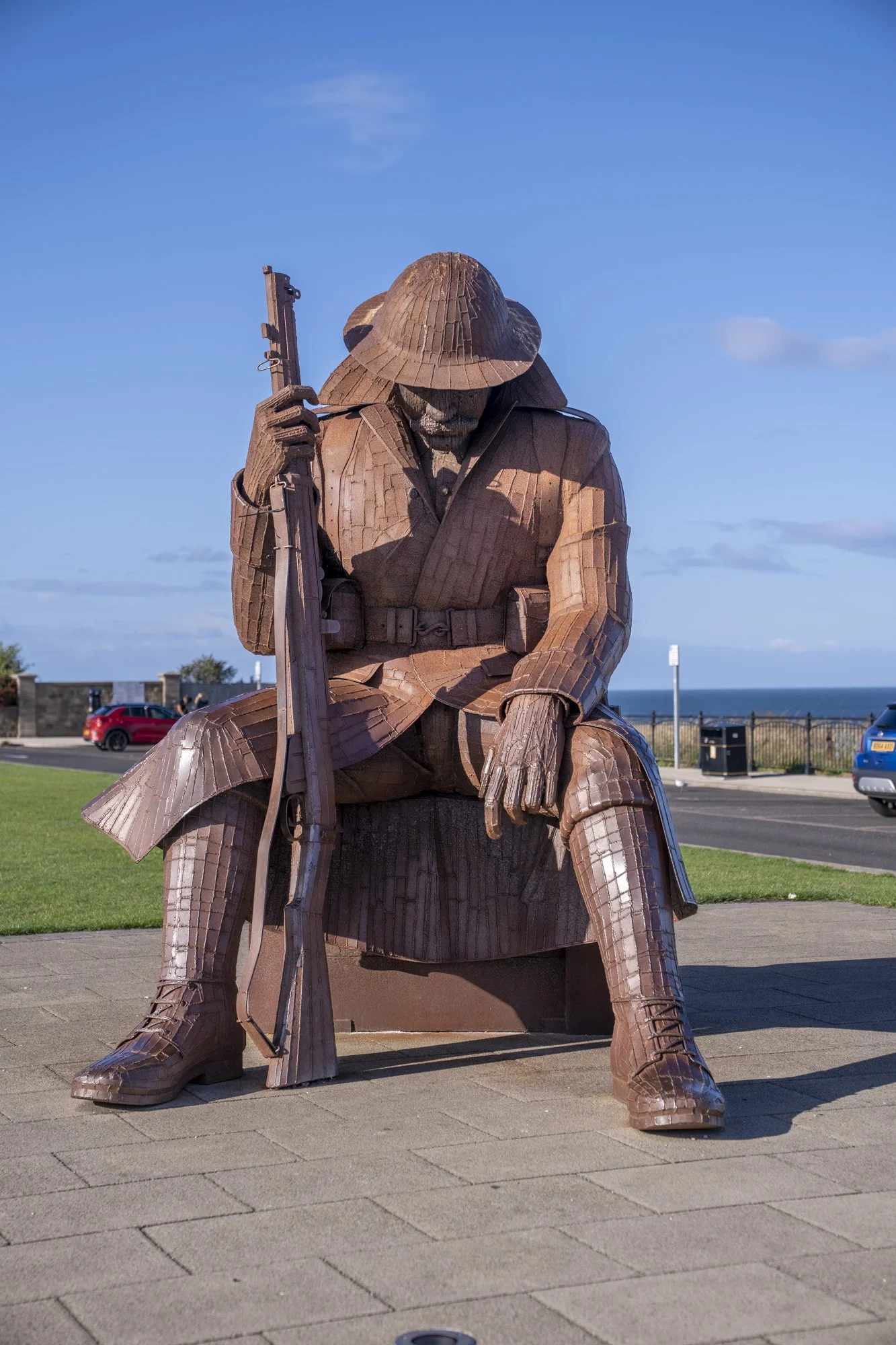
Standing proudly on Terrace Green overlooking the sea is a rather remarkable sculpture of a First World War soldier. Officially called 1101 — Eleven-O-One, he is much better known simply as Tommy.
Created by County Durham artist Ray Lonsdale, the sculpture was installed in Seaham in May 2014 as part of the commemorations marking the centenary of the First World War. (Co-Curate)
The name 1101 refers to 11:01 on 11 November 1918 — the first minute after the Armistice came into effect at 11am, bringing the fighting of the First World War to an end.
And once you know that, the sculpture takes on an entirely different feeling.
Tommy is not standing triumphantly with his rifle held aloft. Instead, he is sitting on an ammunition box, head bowed, his hands resting on his grounded rifle.
He looks tired.
Perhaps reflective.
Perhaps simply relieved.
The sculpture is made from weathering steel, giving him that distinctive rusty-red appearance, and stands approximately 9 feet 5 inches tall and weighs around 1.2 tonnes. (Visit Seaham)
Originally, Tommy was only supposed to stay in Seaham for three months.
That didn't go quite according to plan.
The people of Seaham apparently decided that they rather liked having him around!
A local fundraising campaign was launched to keep the sculpture permanently, and the community eventually raised £102,000 to purchase him. The money came from local people, businesses, schools and the wider community. (ITVX)
I think there is something rather wonderful about that.
Tommy wasn't simply placed in Seaham and accepted as another piece of public art. The community actually claimed him.
He became their Tommy.
A sculpture with a story beneath it
When the sculpture was moved onto its permanent paved platform in 2015, a time capsule was buried underneath. Among the items placed inside were a letter from Ray Lonsdale, children's artwork, war memorabilia and a Victory Medal.
So Tommy isn't just looking back towards the past.
There is literally a piece of Seaham's present buried beneath him for the future to discover.
I thought that was cool.
A short visit, but one worth making
I only had a couple of hours in Seaham, and with my back giving me grief, I wasn't exactly in a position to explore every corner of the coastline.
But sometimes a short visit is enough.
I got to stand beside the North Sea, breathe in some proper salty sea air, take photographs and learn a little of Seaham's history.
For a town whose modern identity grew out of an industry that demanded so much from the people who lived here, it seems fitting that Tommy now stands quietly overlooking the sea.
The coal that once left Seaham by ship helped build the town.
The sea remains. The sea will always remain.
And Tommy stands between the two — a reminder of a generation that went away to war, and of the people at home who remembered them.
Seaham also does a wonderful job of celebrating their history and vets through the many benches and on the railings of the main street.
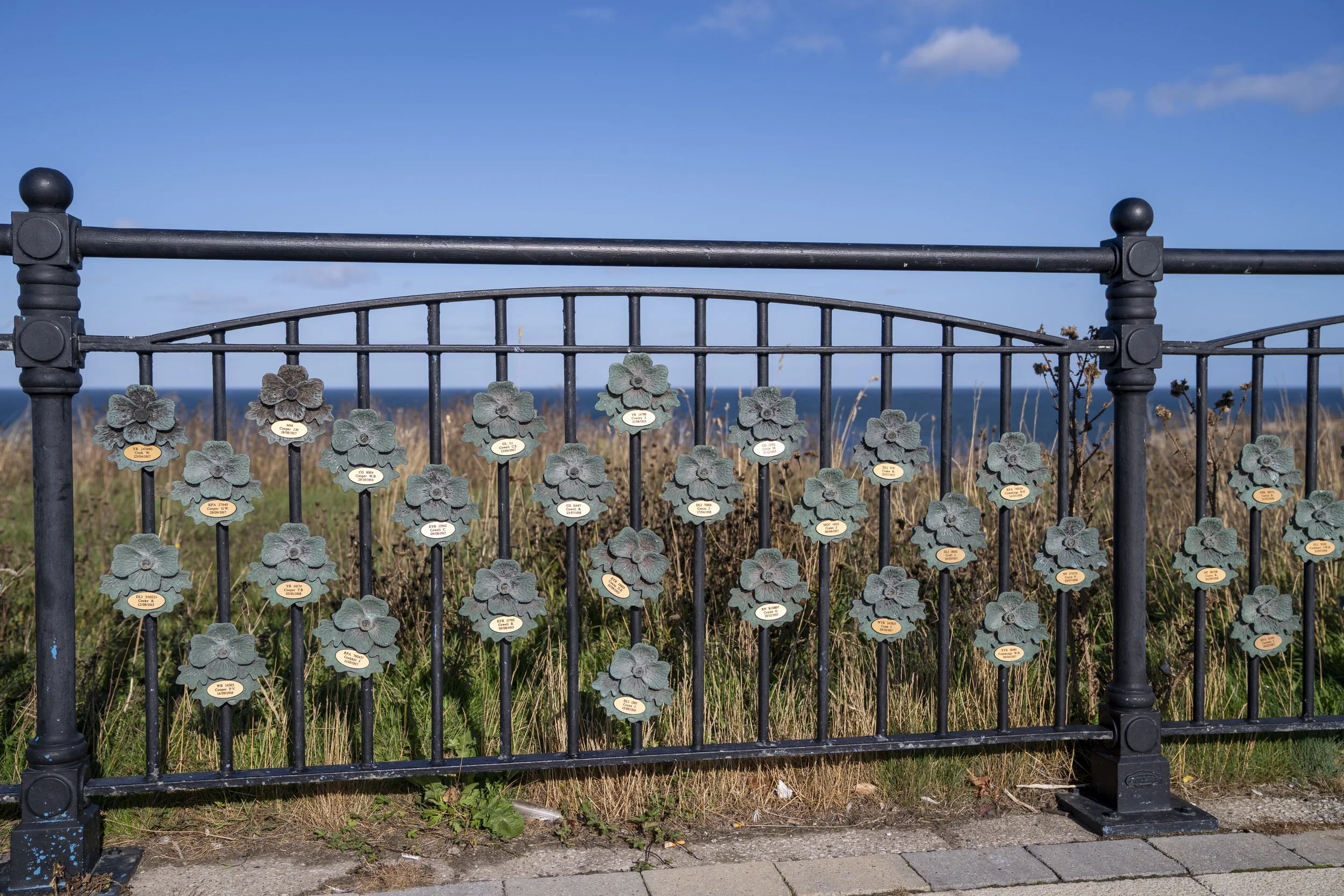
a few of the names of people who fought to keep Britain free.
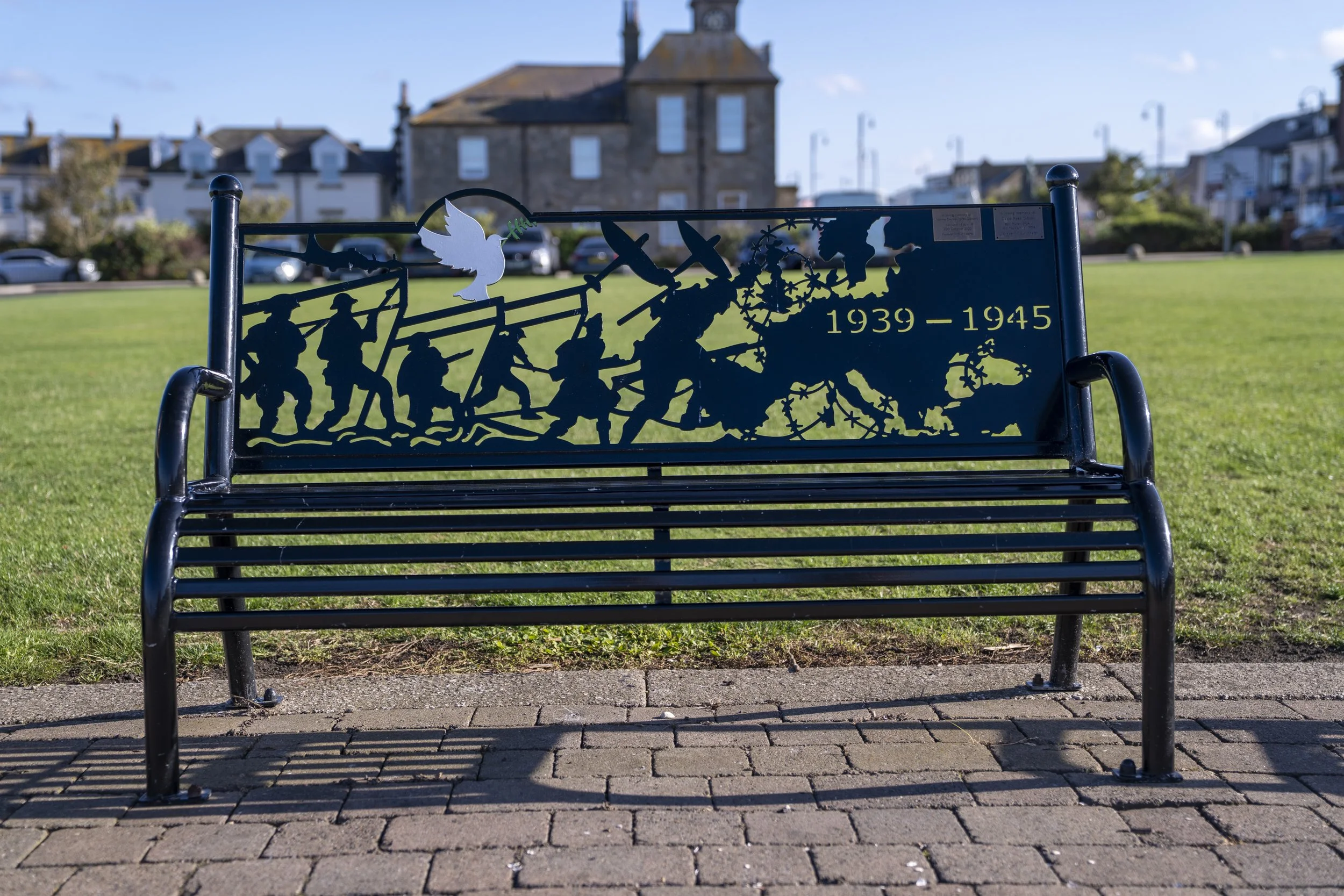
I'm hoping my back behaves itself for the rest of my stay and gives me the opportunity to discover a little more of England before I head home.