Sycamore Gap – A Tree, a Wall, and a Story That Captured the World
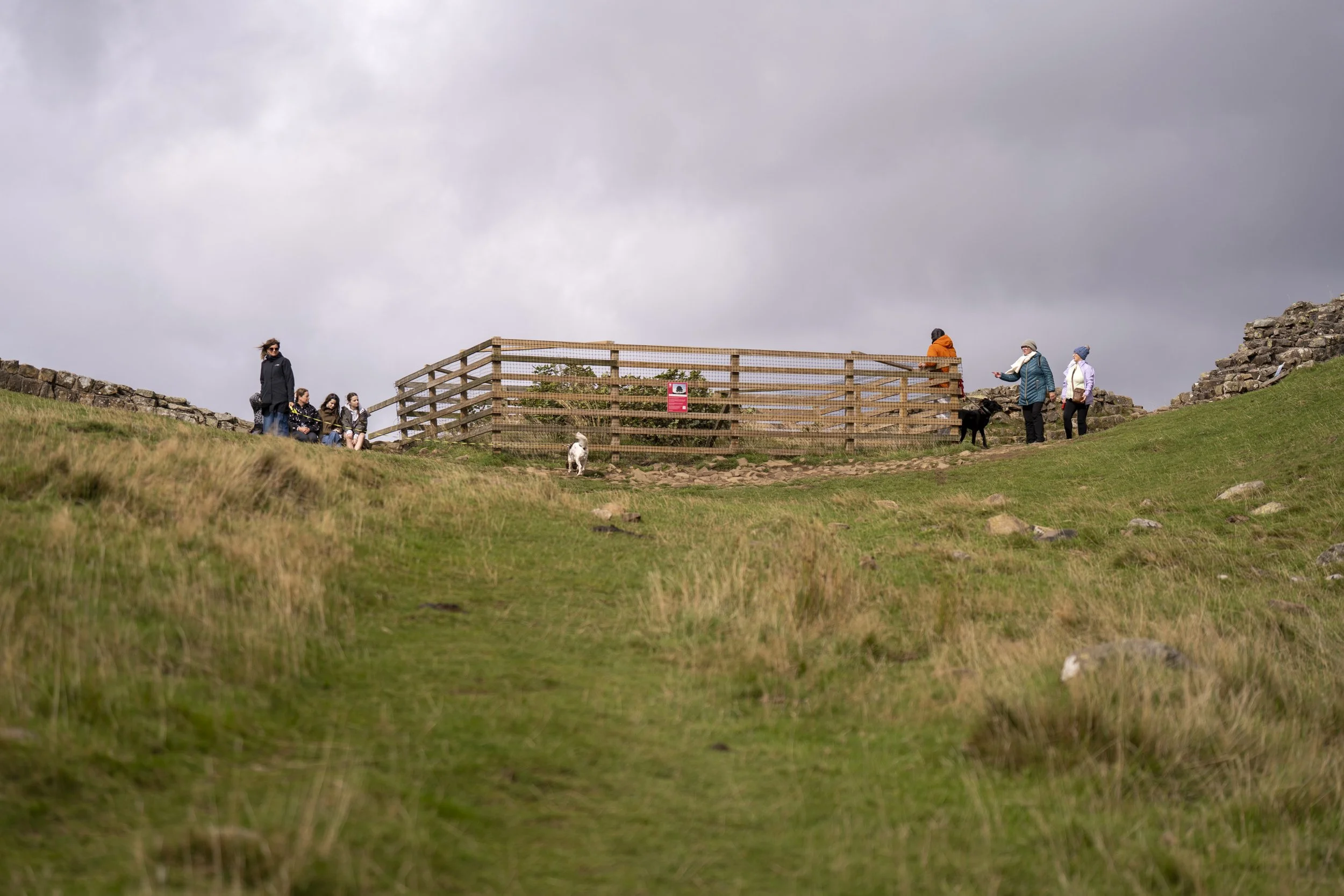
national heritage trying to protect the stump of the fallen Sycamore
Located beside Hadrian’s Wall in Northumberland, Sycamore Gap was once home to one of the most photographed trees in the UK. Standing alone in a natural dip between two sections of the ancient wall, the sycamore had become an iconic Northumberland landmark and a favourite destination for photographers and walkers.
The tree was believed to have been planted in the late 1800s, although its exact age was never known. Over the years, it grew into the distinctive shape that made the location so recognisable, with Hadrian’s Wall providing the perfect backdrop.
The location itself is part of the Hadrian's Wall, the Roman frontier built across northern Britain during the reign of Emperor Hadrian. Construction began around AD 122 and is thought to have been completed in AD 128. The wall stretched for approximately 73 miles from the River Tyne in the east to the Solway Firth in the west.
Sycamore Gap sits near the remains of the Roman fort at Housesteads Roman Fort ( see last years blog post for info on Housesteads), making it possible to combine a visit to the tree site with a walk through an important part of Britain's Roman history. This year we started at Once Brewed, just down the road.
A Tree Becomes an Icon
For generations, the sycamore was simply part of the landscape. Then, in 1991, it featured in the film Robin Hood: Prince of Thieves. The appearance helped introduce the tree and its dramatic setting to an even wider audience.
From then on, photographs of the tree began appearing everywhere. It became a favourite subject for landscape photographers, particularly at sunrise and sunset when the changing light could completely transform the scene.
Its position was almost perfectly photographic: the tree sat neatly within the natural gap in the landscape, with the ancient stone wall running behind it. Whatever the weather, it was difficult to take a bad photograph.
The Loss of the Sycamore
In September 2023, Sycamore Gap made headlines around the world for a heartbreaking reason.
The tree was deliberately felled during the night by two assholes (Daniel Graham 39 and Adam Carruthers 32…… for no freaking reason. It was discovered the following morning lying across the landscape where it had stood for hundreds of years. On July 15, 2025, a judge sentenced both to 4 years and 3 months behind bars, rejecting claims of mere "drunken stupidity" and noting that the pair had revelled in the public's shock and grief. I have it on good authority that both of these idiots have had a life of ‘street justice’ in prision.
The reaction was enormous. For many people, the tree had become much more than a tree. It represented a familiar piece of the Northumberland landscape and was part of countless memories, walks and photographs.
The loss was particularly poignant because the tree had stood beside one of Britain's most important historic monuments. The wall had survived almost 2,000 years, while the tree had become a much more recent but equally recognizable part of the landscape. What Happens Next?
Although the original tree is gone, efforts have been made to preserve something of its legacy.
Seeds and cuttings had been collected from the tree before it was felled, and work has been undertaken to see whether new trees can be grown from this material. A young sapling grown from the original tree was planted at Sycamore Gap in 2025, marking the beginning of a new chapter for the site.
It will, of course, take many years before another tree reaches anything like the size and character of the original. But perhaps that is part of the story. The landscape will change, just as it always has, and future generations may eventually know the new tree simply as the Sycamore Gap tree.
Visiting Sycamore Gap
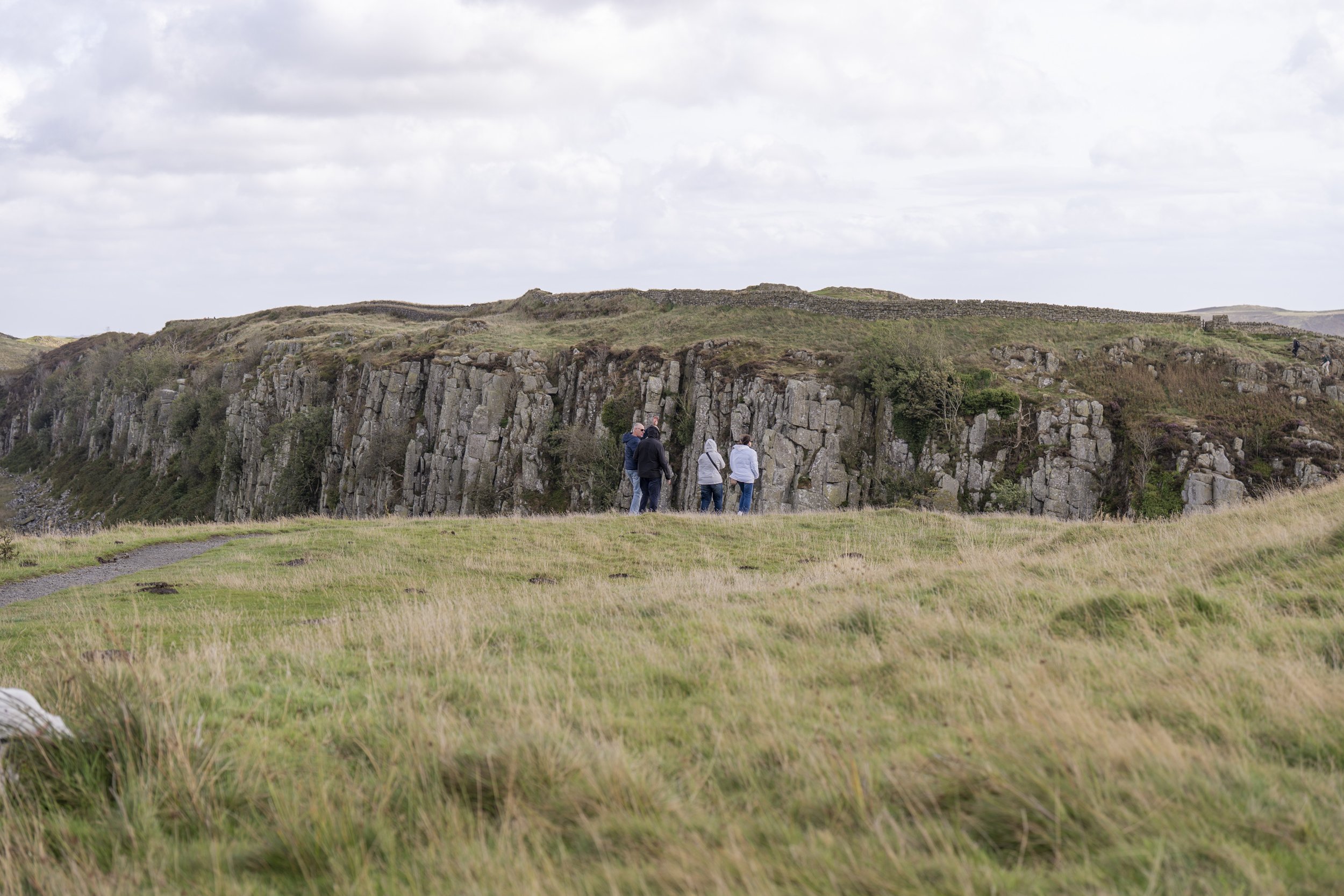
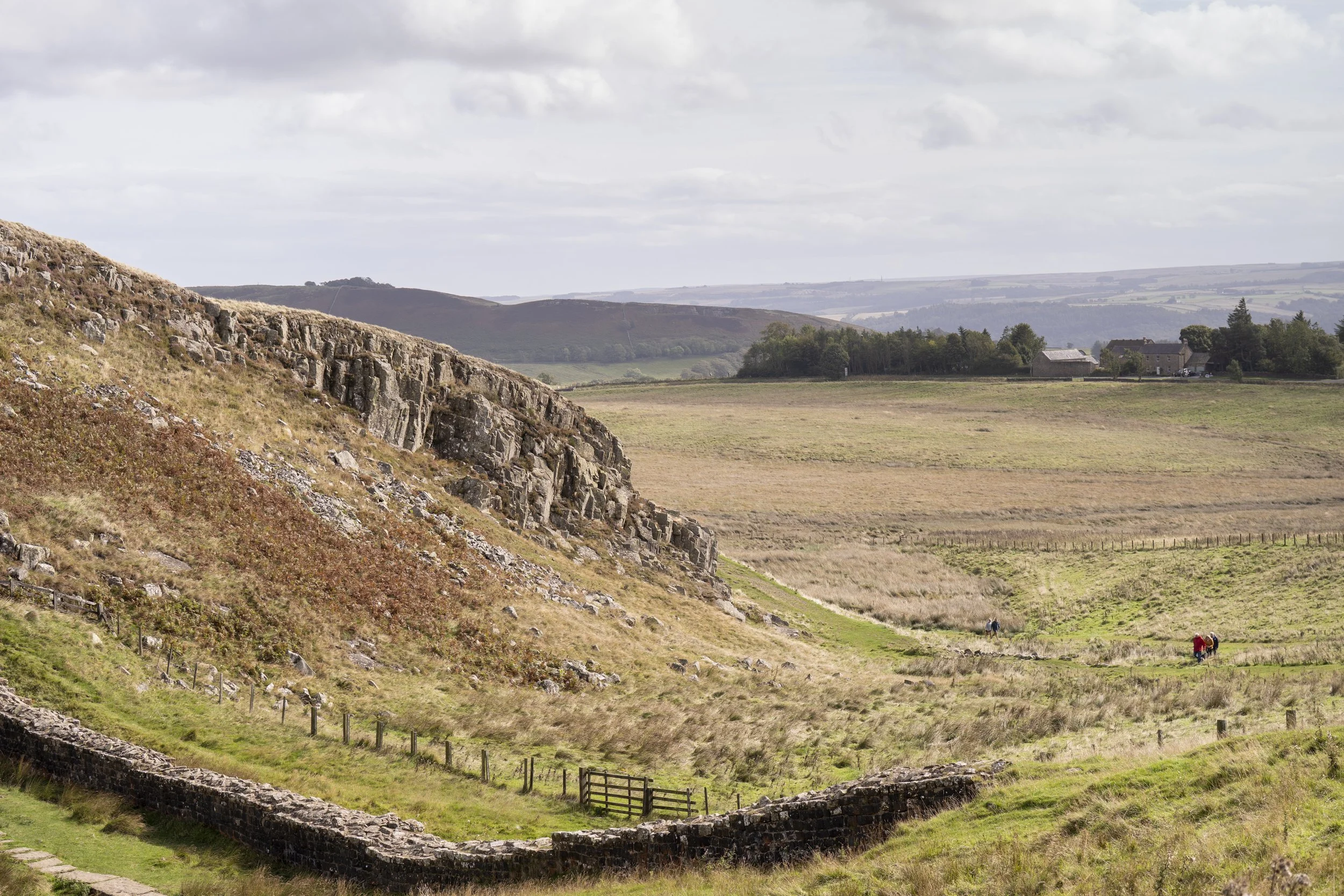
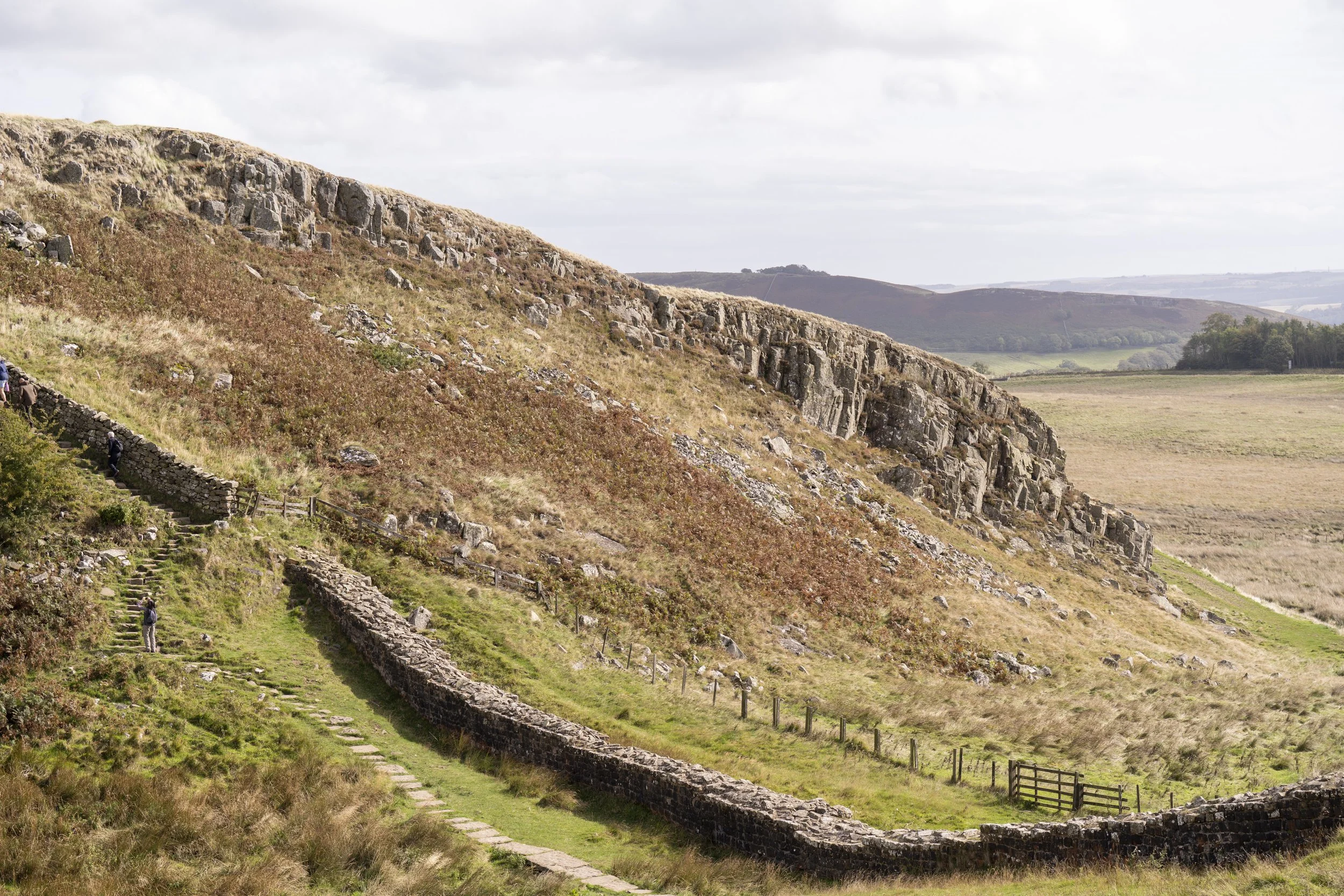
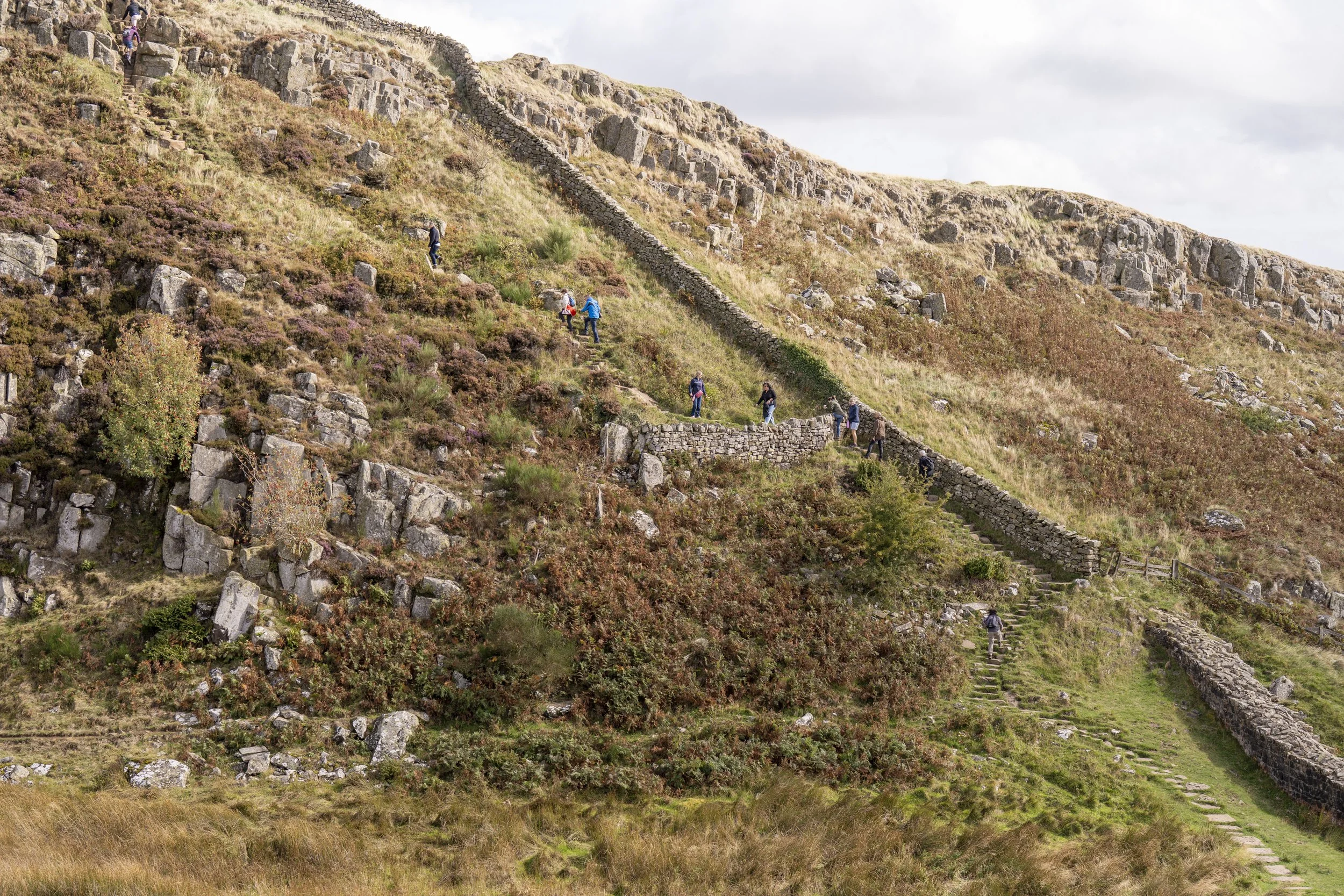
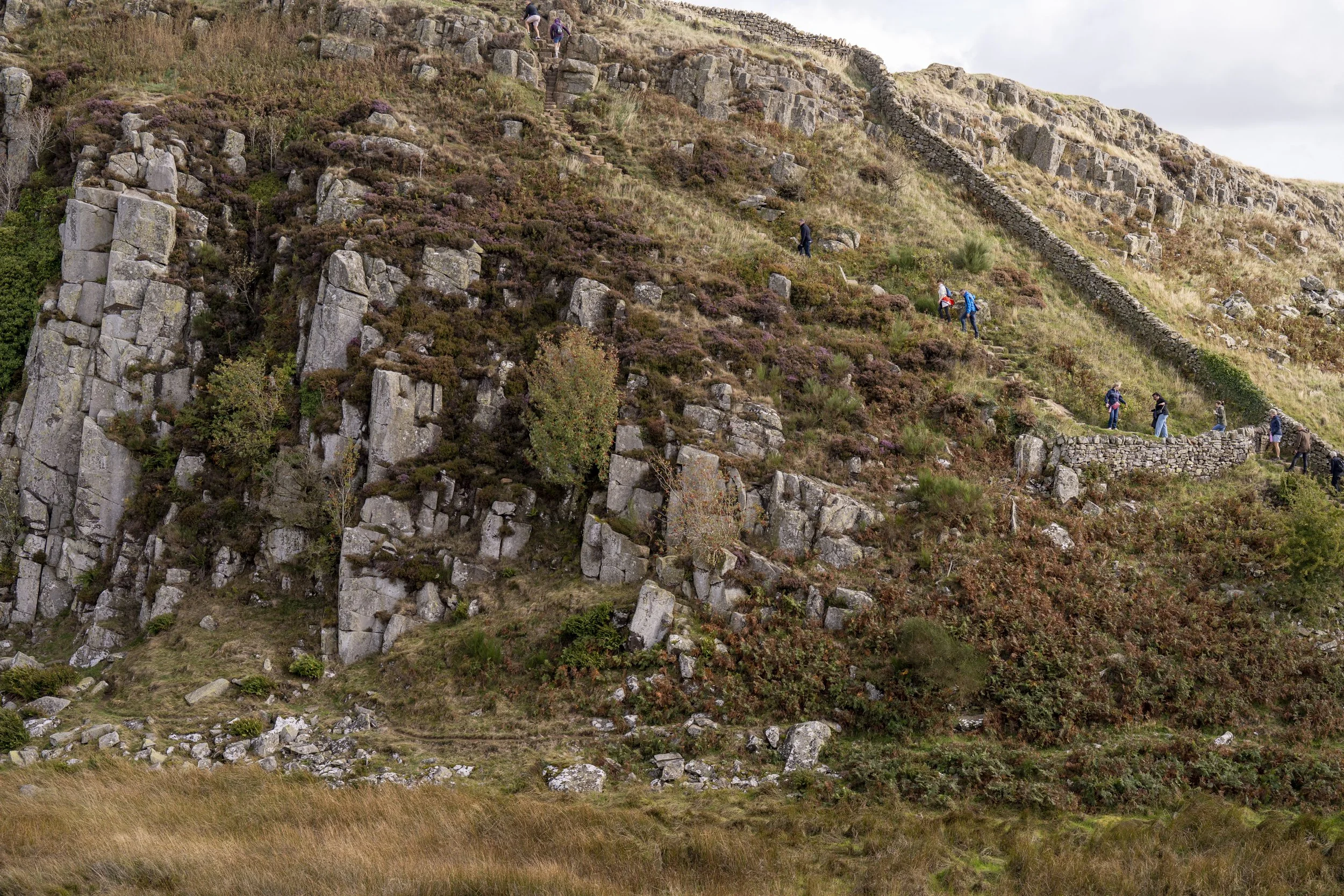
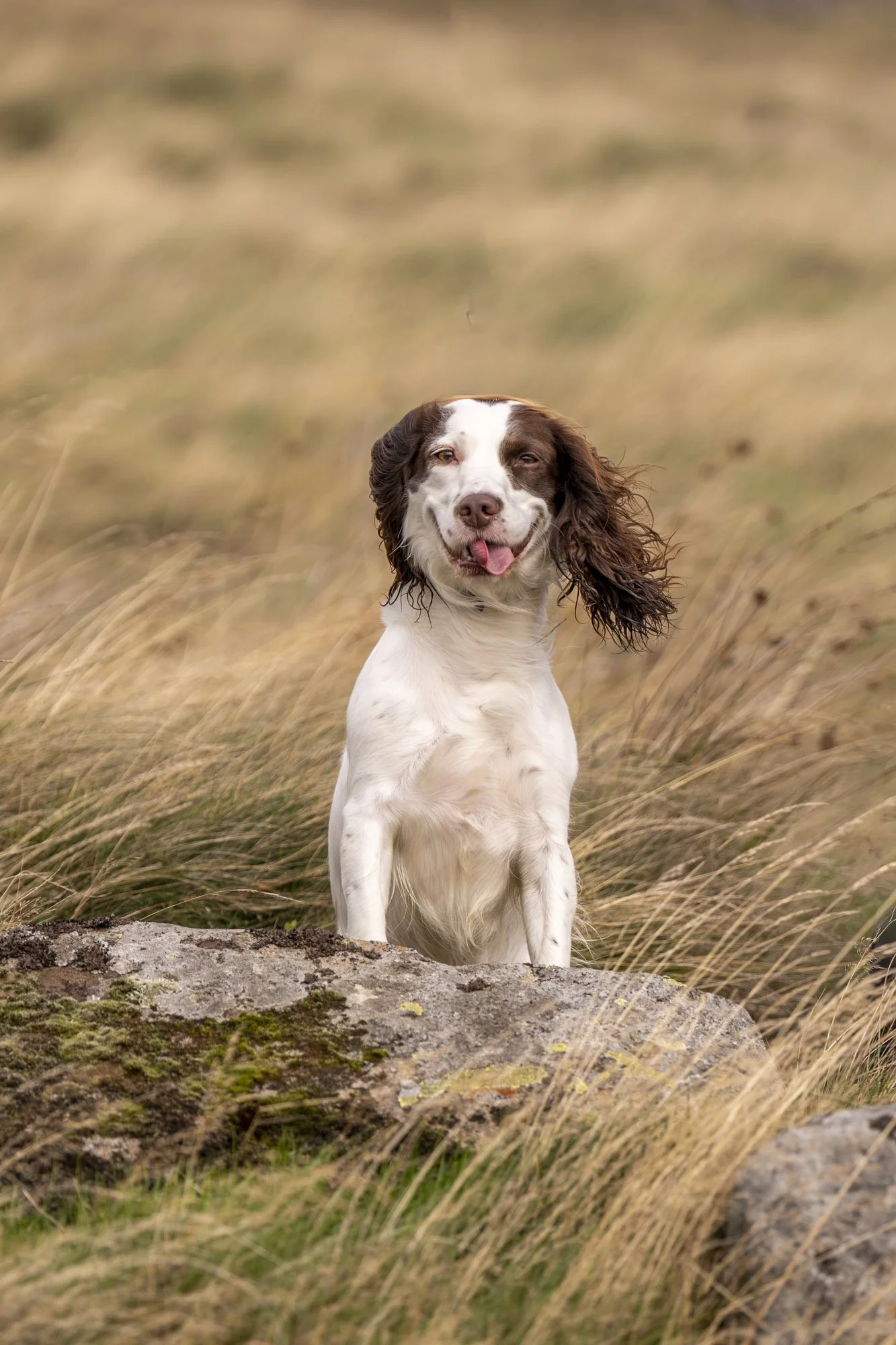
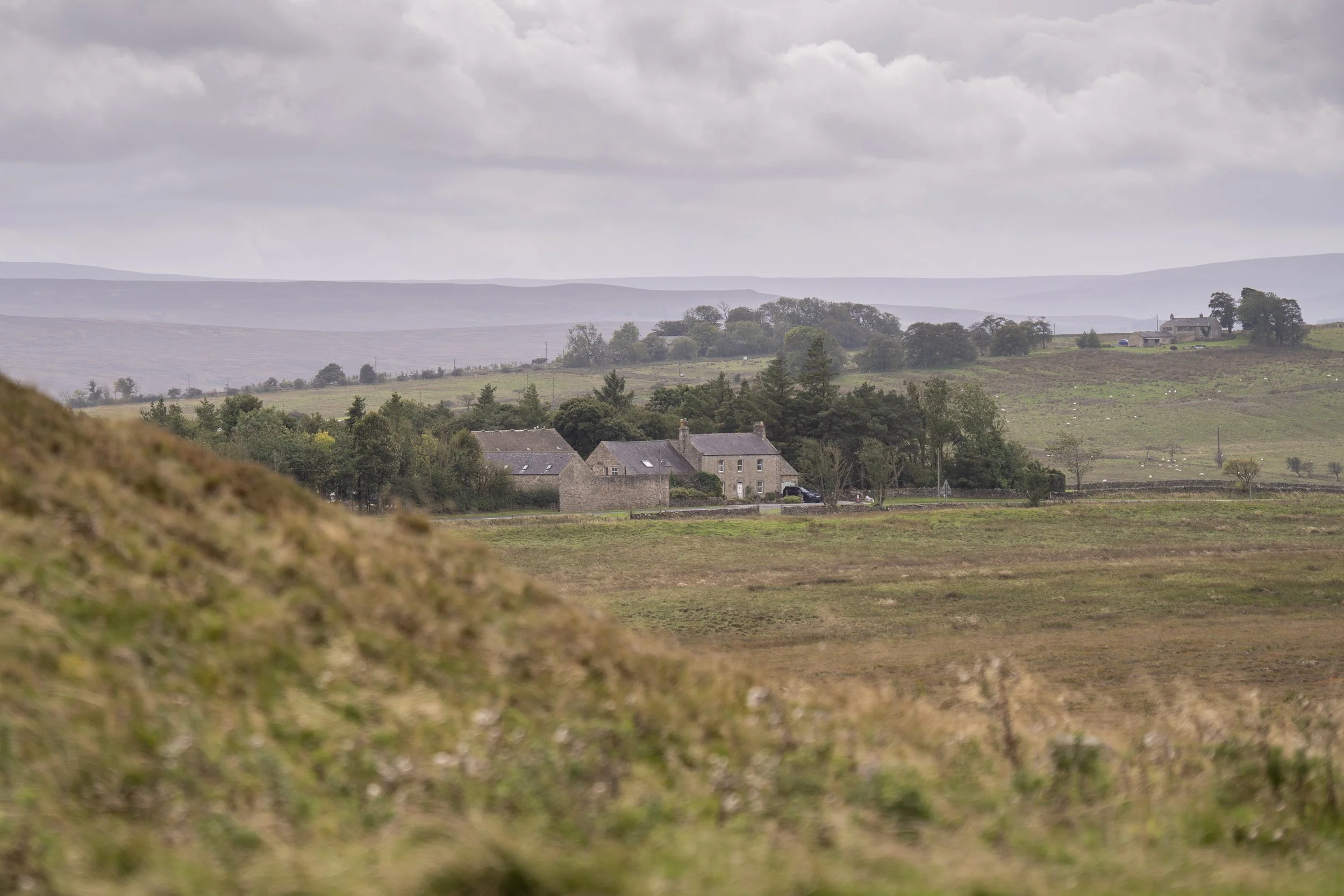
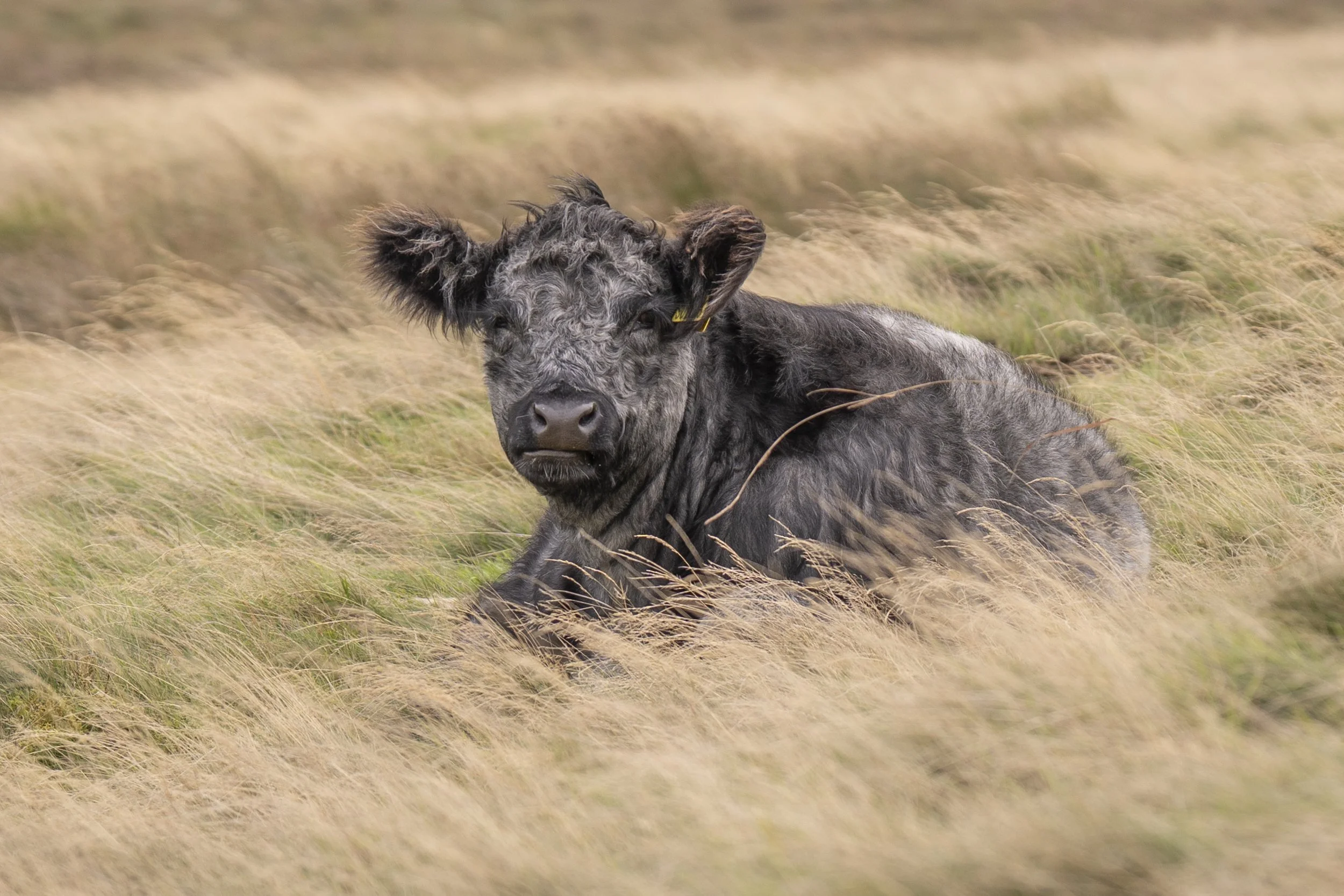
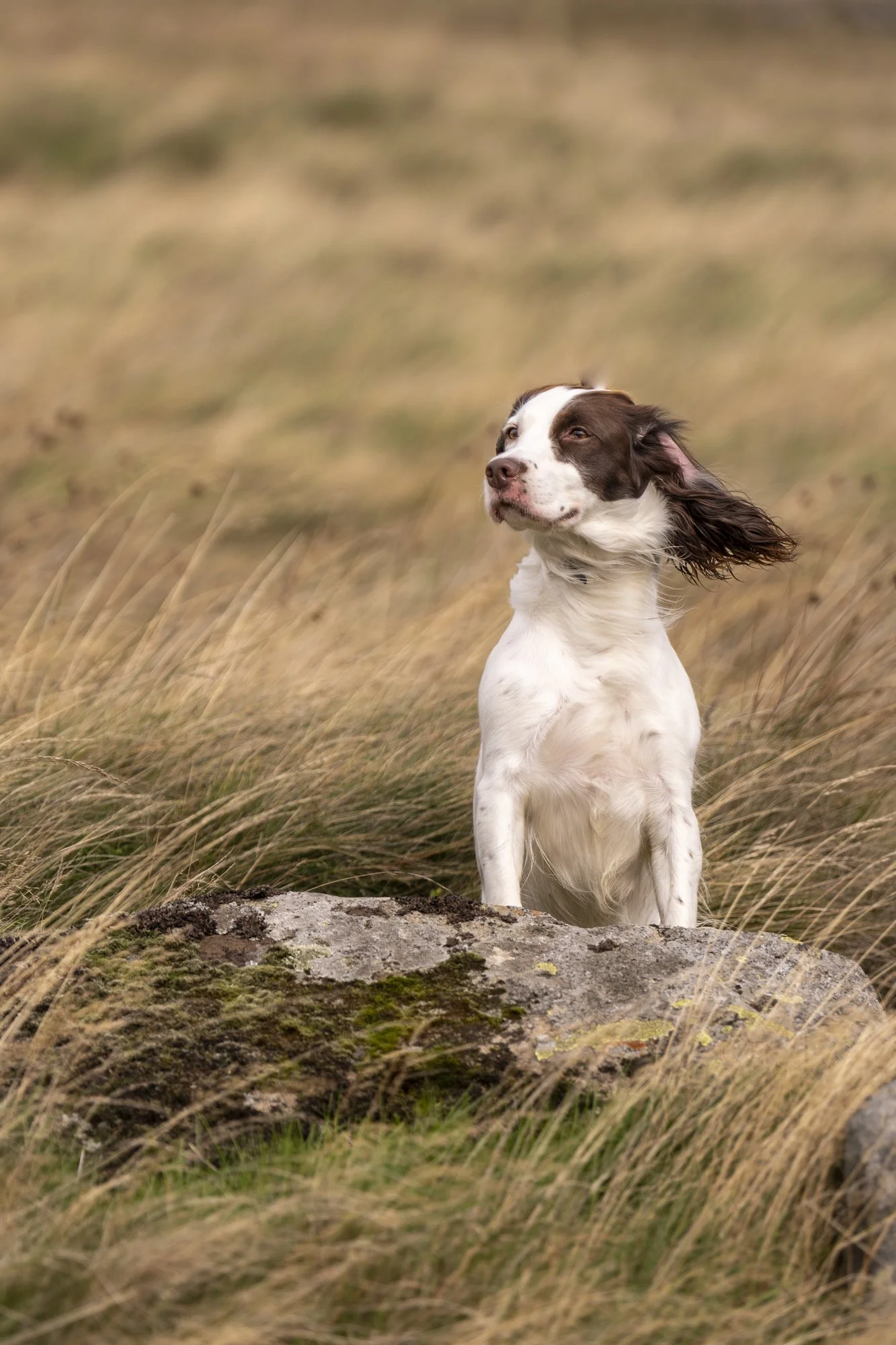
For photographers, Sycamore Gap is still an interesting place to visit even without the original tree. The combination of Hadrian's Wall, the surrounding Northumberland countryside and the history of the location provides plenty to explore.
The walk to the gap also gives you a chance to experience the landscape rather than simply arriving at a viewpoint and taking a photograph. The terrain can be uneven in places and the wind is sometimes (today) strong enough to knock my sturdy frame ;) off balance.
For me, places like this are a reminder that photography isn't always about photographing something beautiful that exists exactly as we expect it to. Sometimes it is about documenting a place, its history and the changes that happen over time.
The original sycamore may no longer be standing, but its photographs have ensured that it will remain part of the story of Northumberland for generations to come.
And perhaps that is one of the nicest things about photography: a moment can disappear, but the photograph allows us to remember that it was once there.