Durham Cathedral – A Step Back in Time
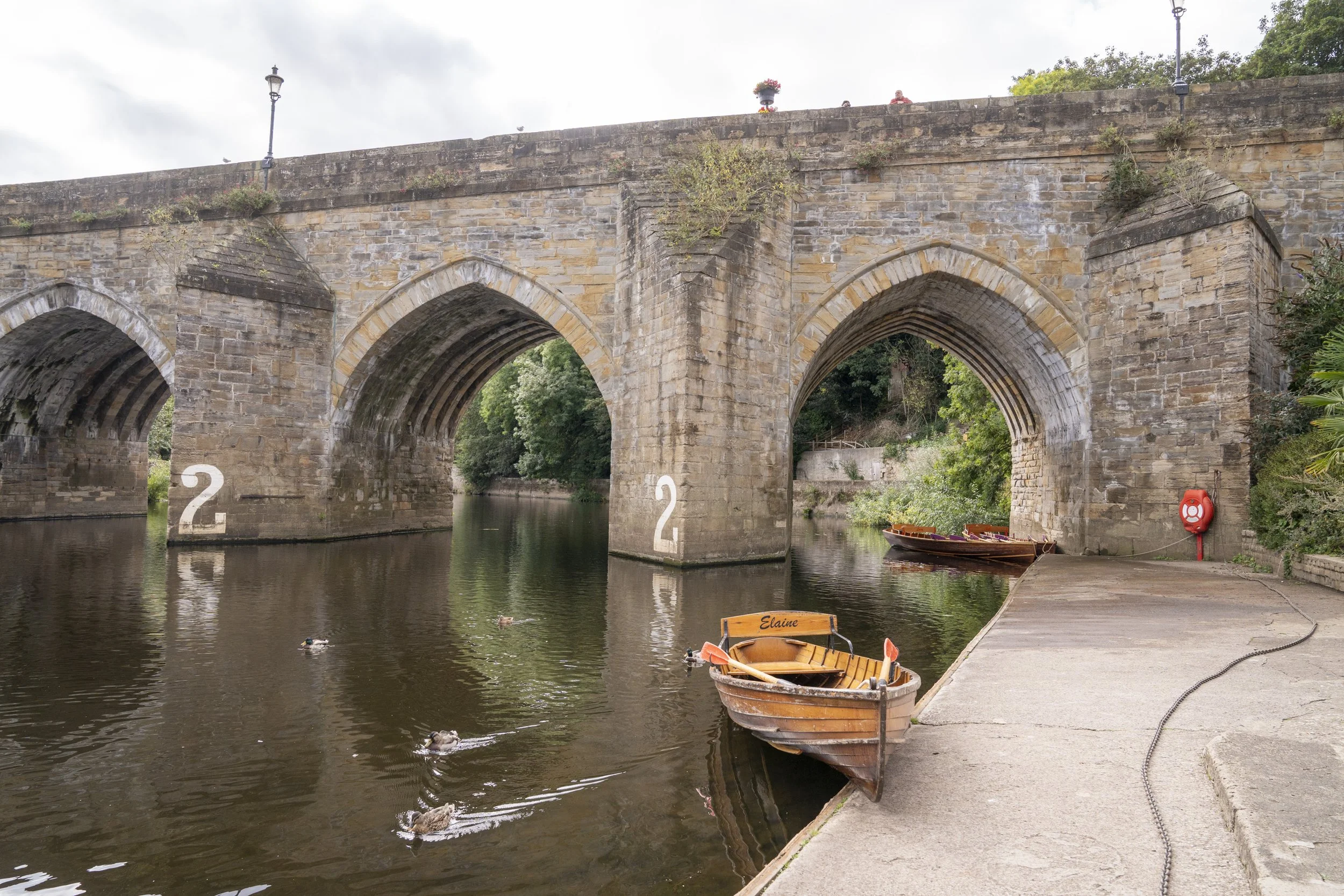
From Finchale Priory, my next stop was Durham Cathedral, and it was quite a contrast.
Standing high above the River Wear, Durham Cathedral is one of those buildings that is impossible to appreciate properly until you see it in person. The scale of it is, frankly, unfathomable and the setting on the peninsula, with the river curving around the city below, makes it particularly striking. Durham Cathedral and Castle together have been a UNESCO World Heritage Site since 1986.
Construction of the main core began in 1093 until 1133, between 1173 and 1189 the Galilee Chapel was built. Expansion and and repairs continued for nearly 400 years, concluding in 1490.
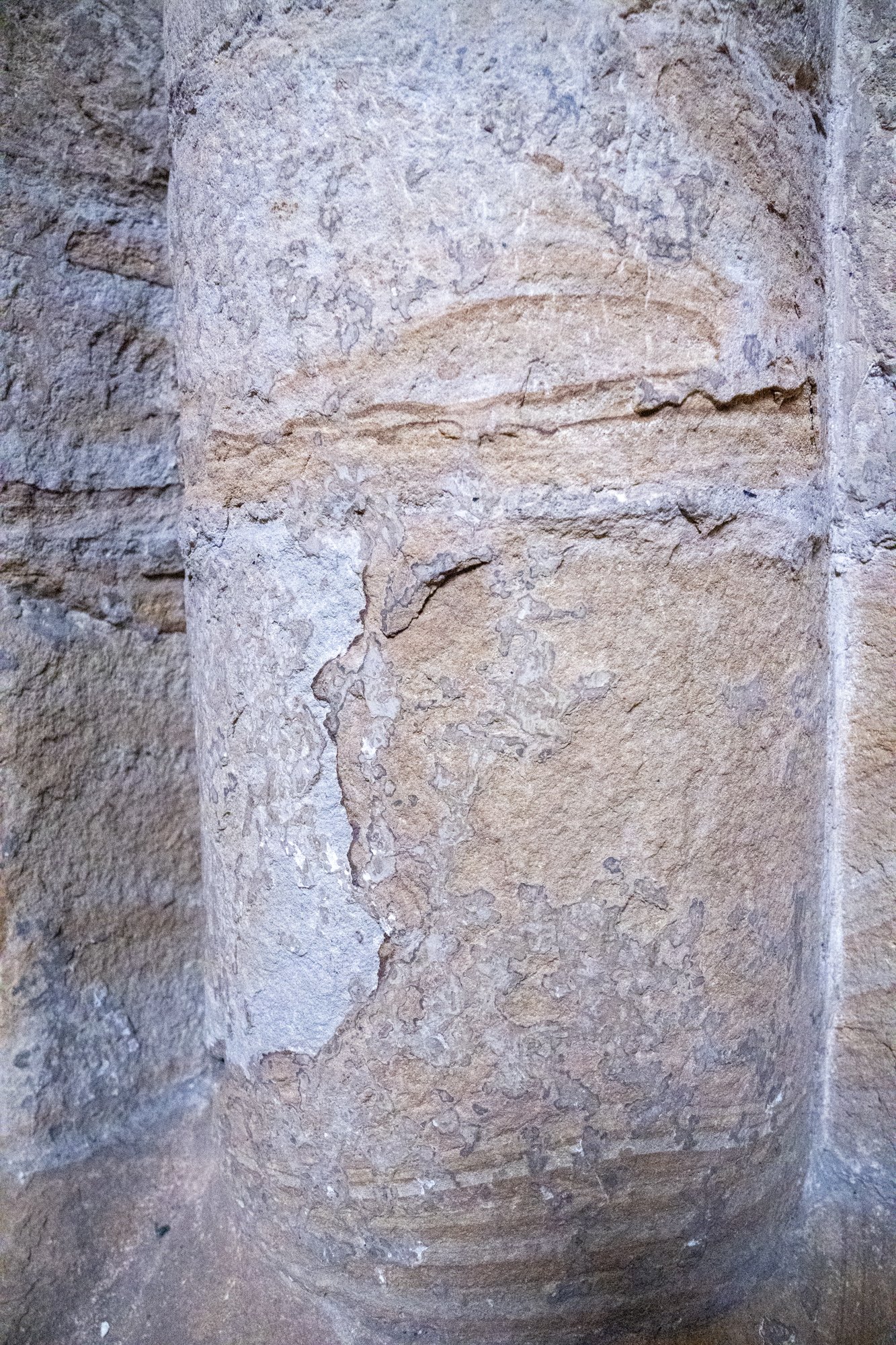
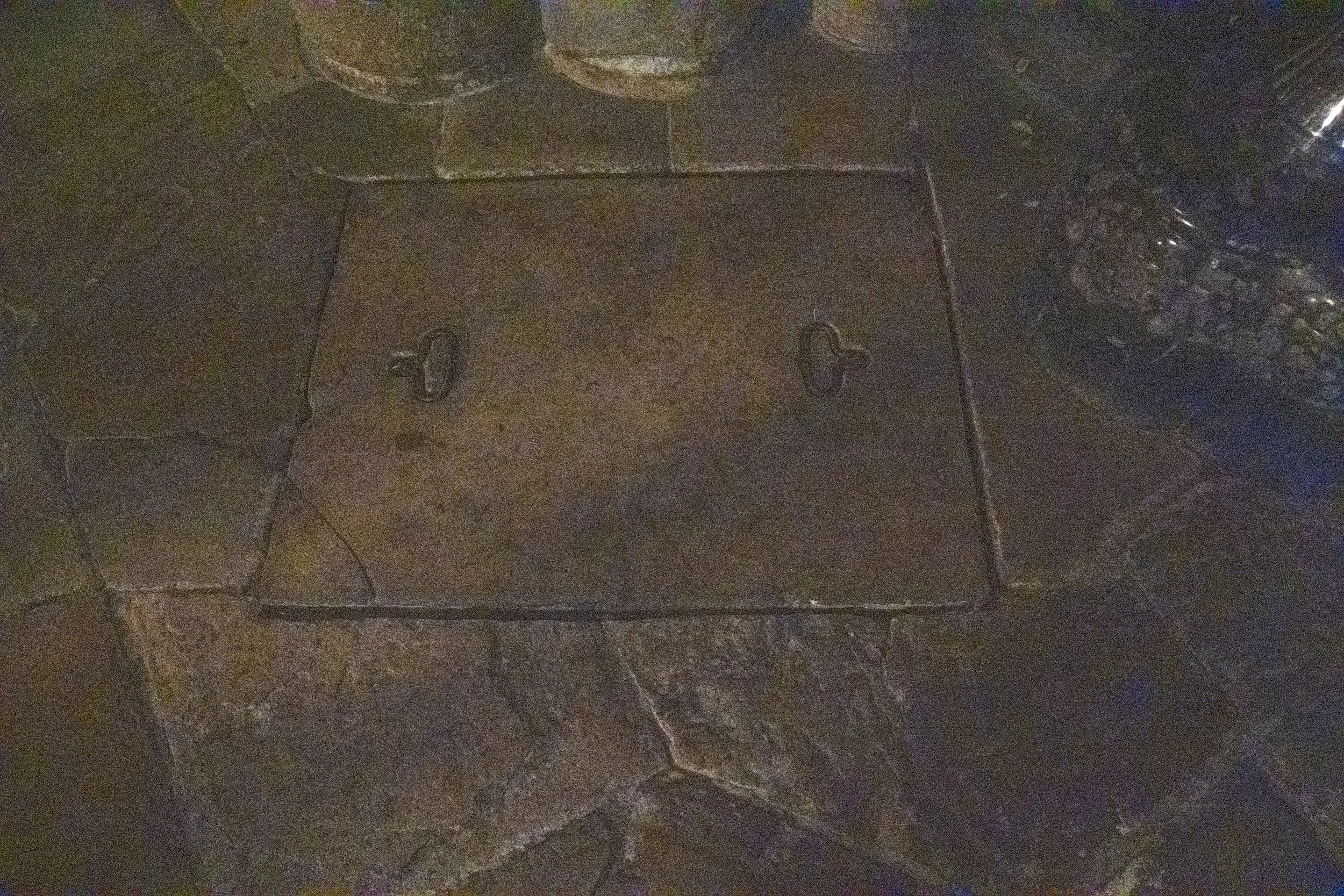
Inside, there is an incredible amount to look at. The huge Norman pillars, vaulted ceilings, stained glass and detailed stonework make it a fantastic place for photography, although I found myself spending as much time simply looking around as I did taking photographs. I was so in awe of the shear size of the place I forgot to check my settings so the shutter speed was way too high. You will have to forgive the grainy images I ended up with.
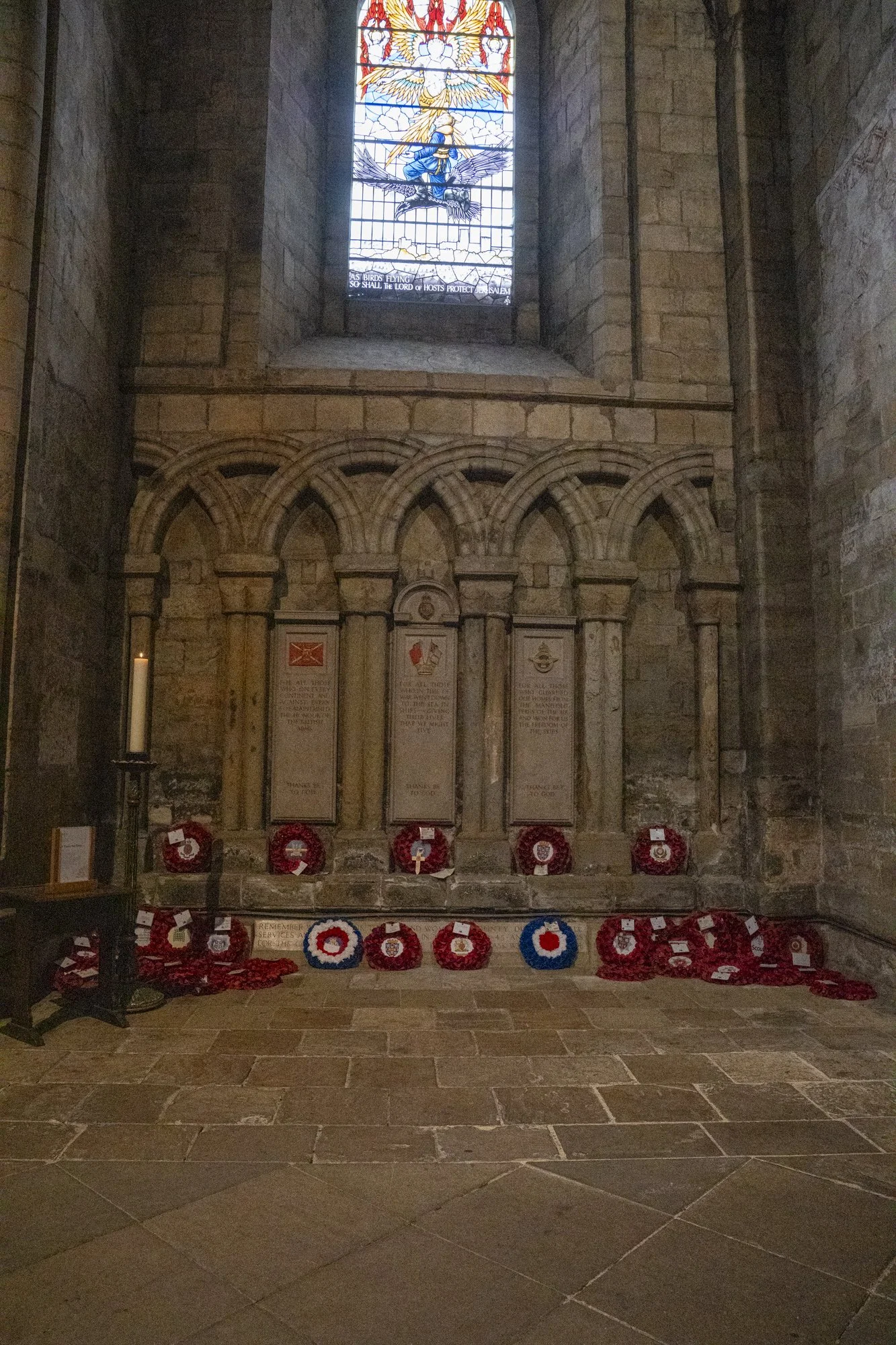
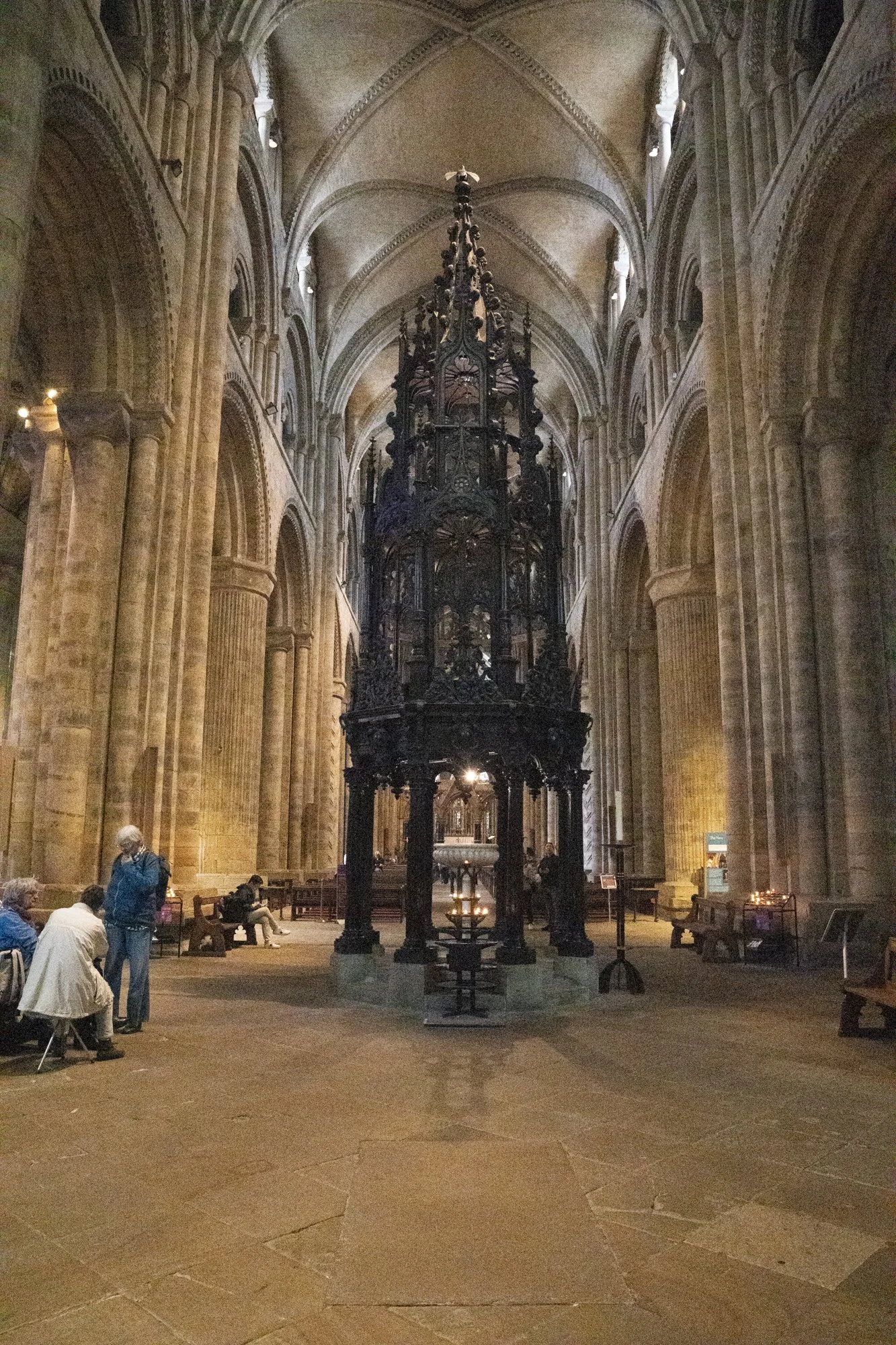
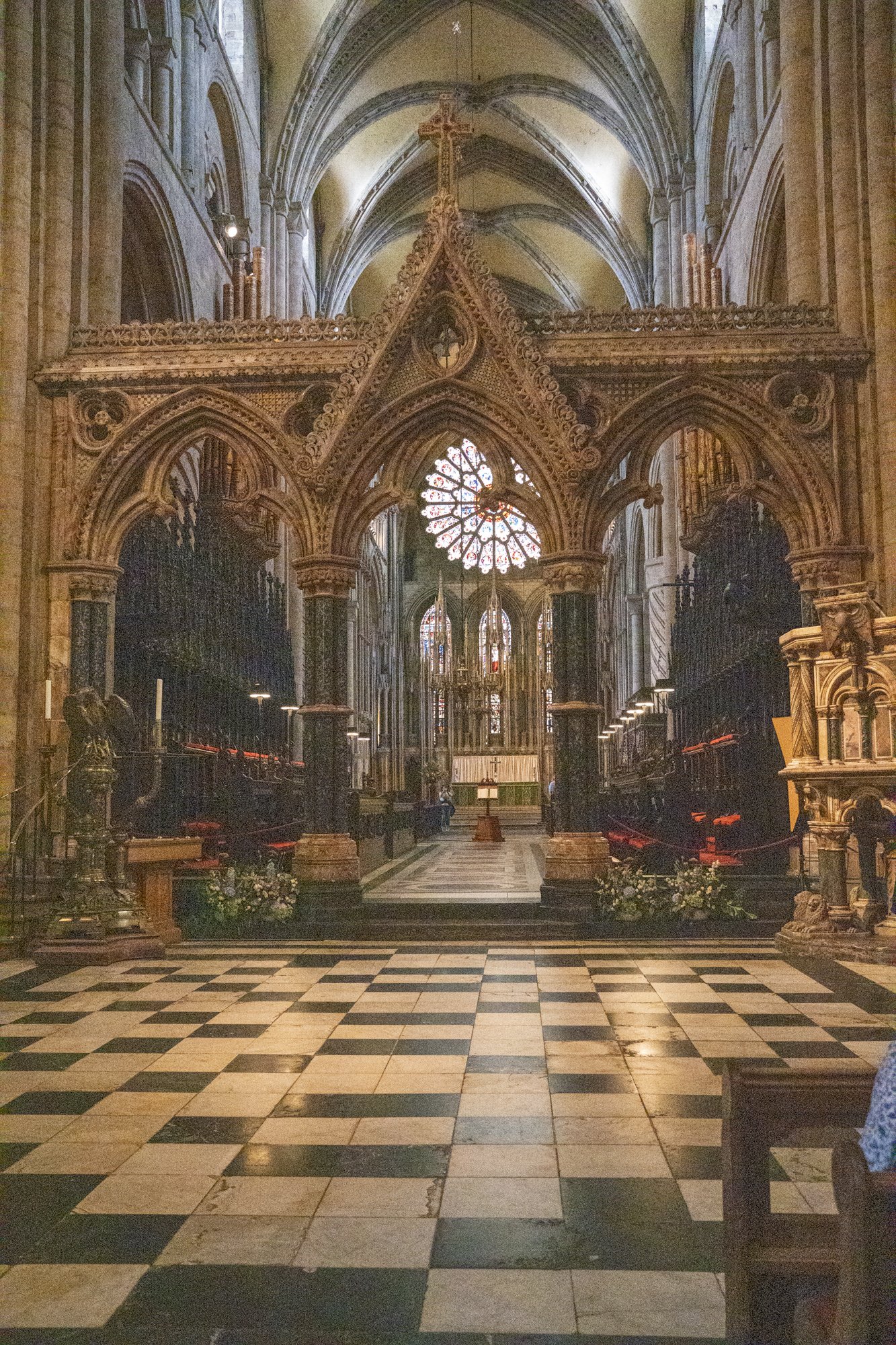
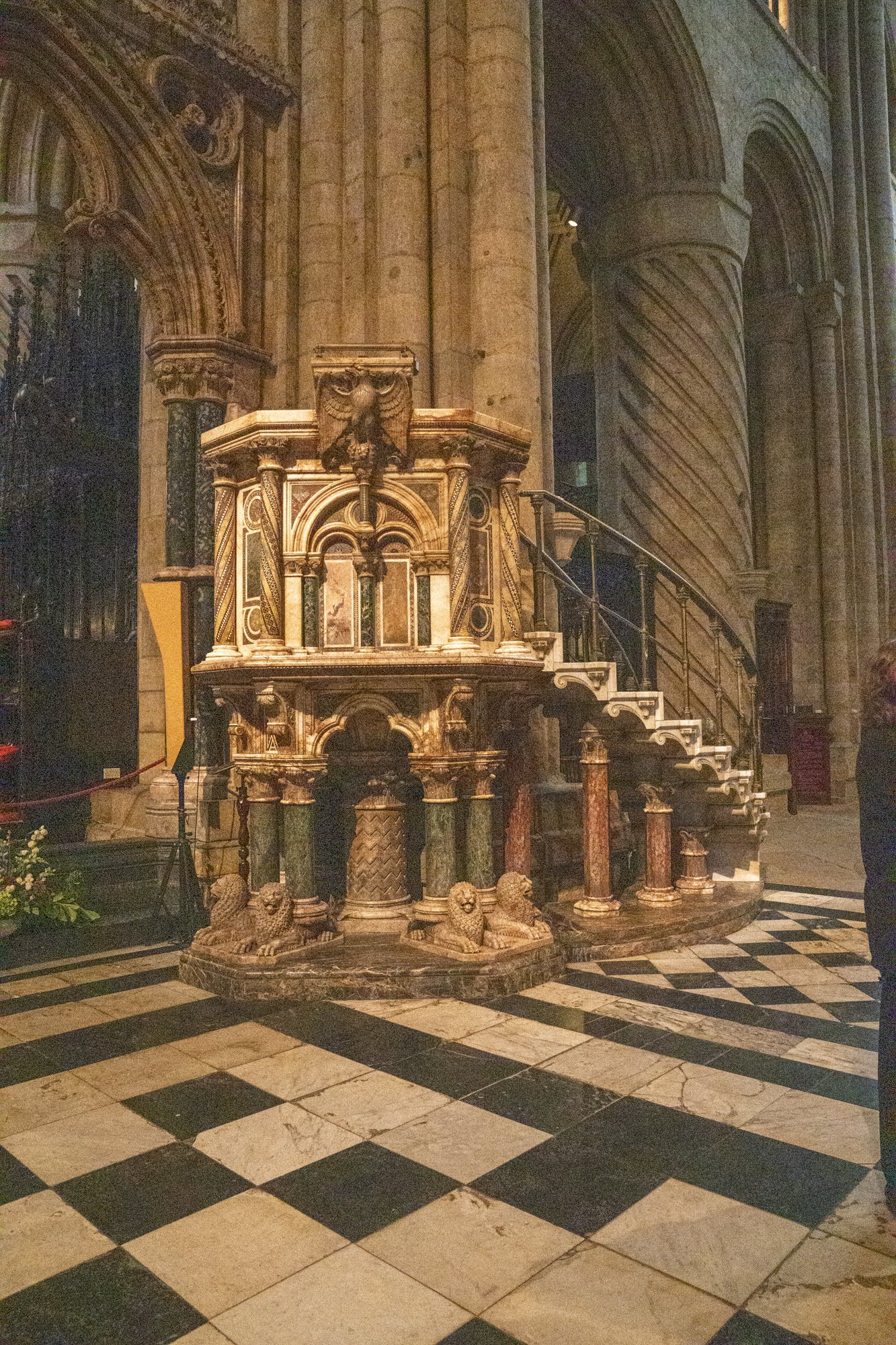
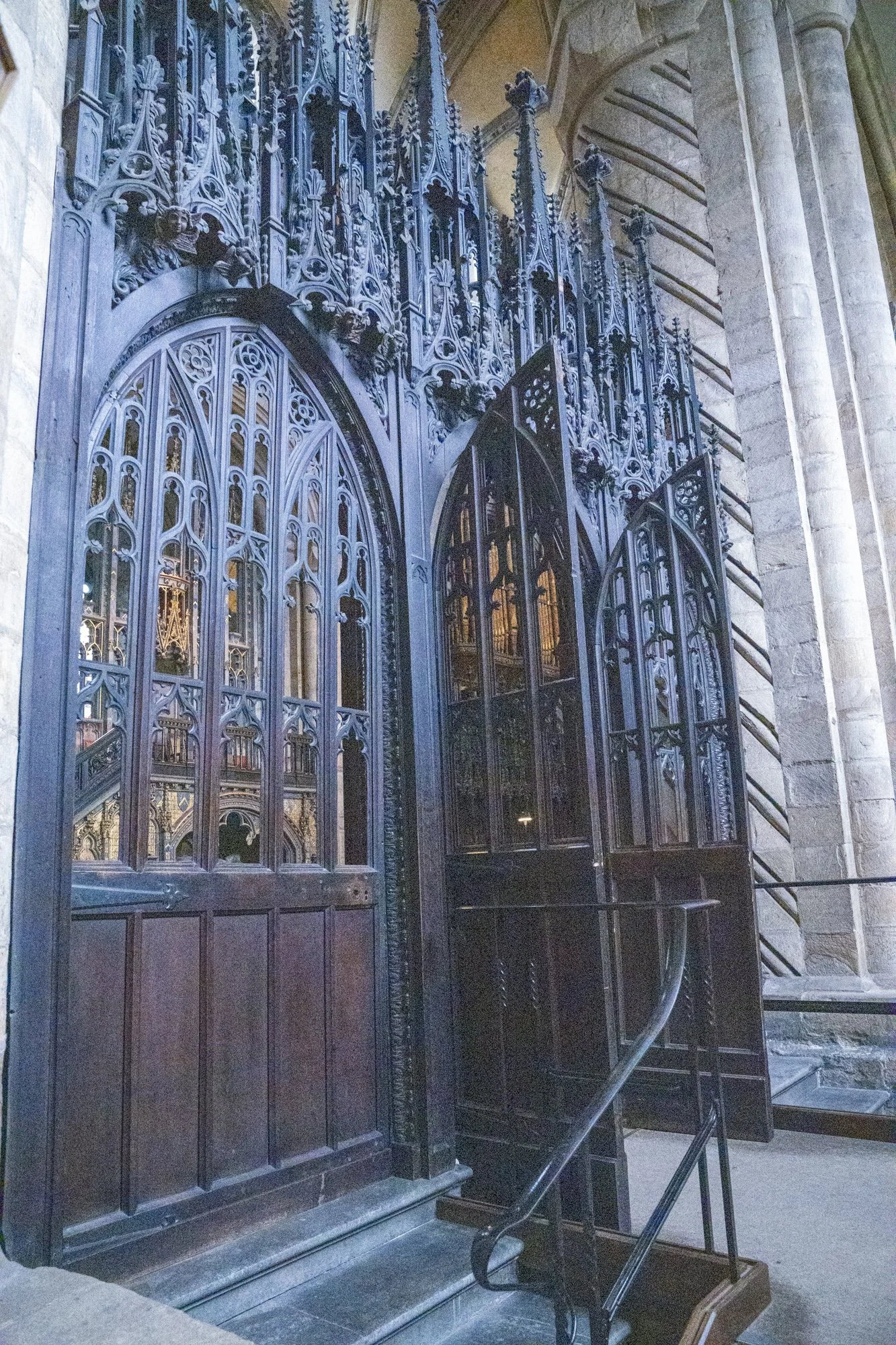
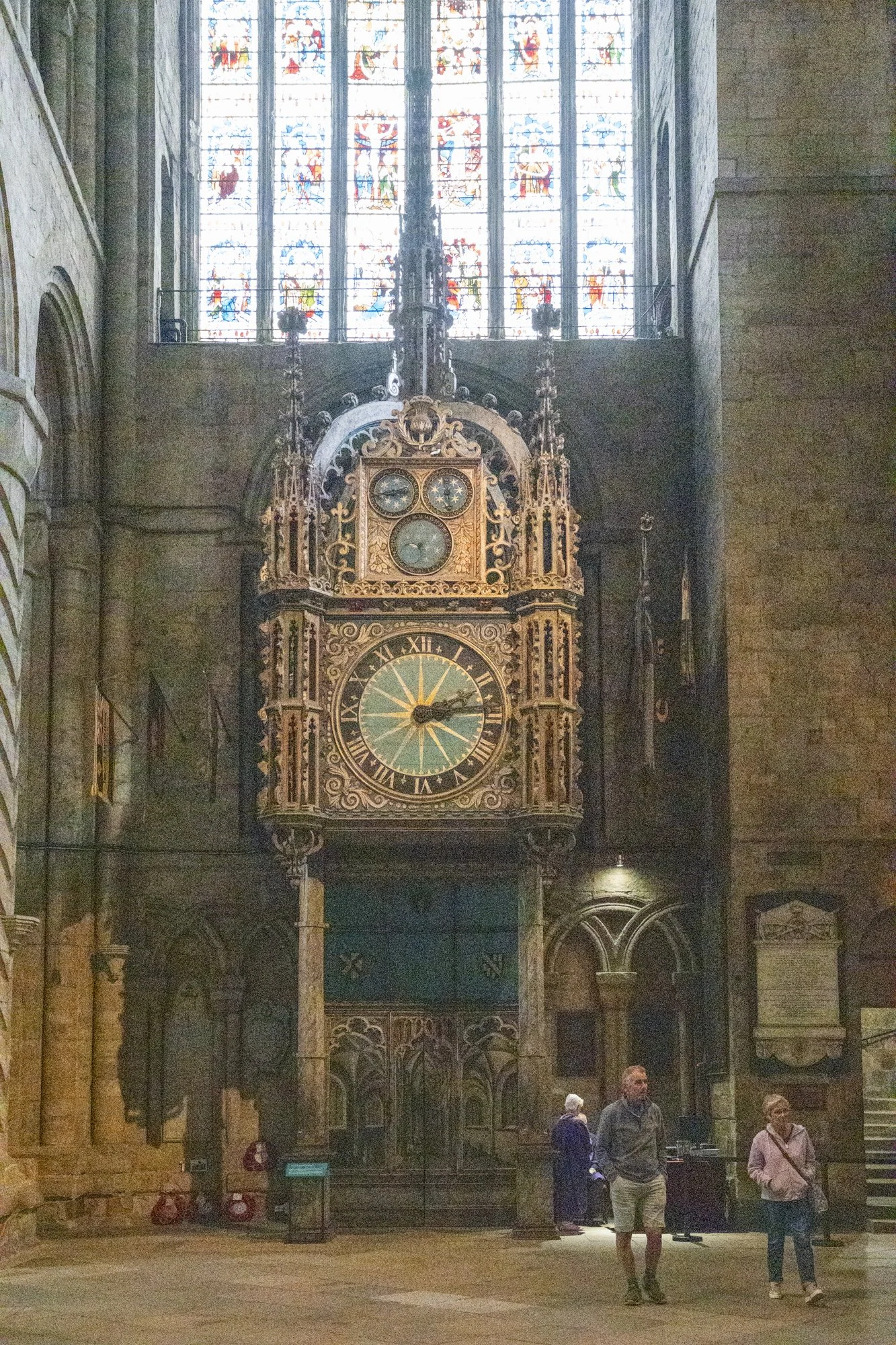
One of the highlights is the shrine of St Cuthbert, which has attracted pilgrims for centuries. The cathedral also contains the tomb of Bede in the Galilee Chapel, so there is an extraordinary amount of history contained within these walls.
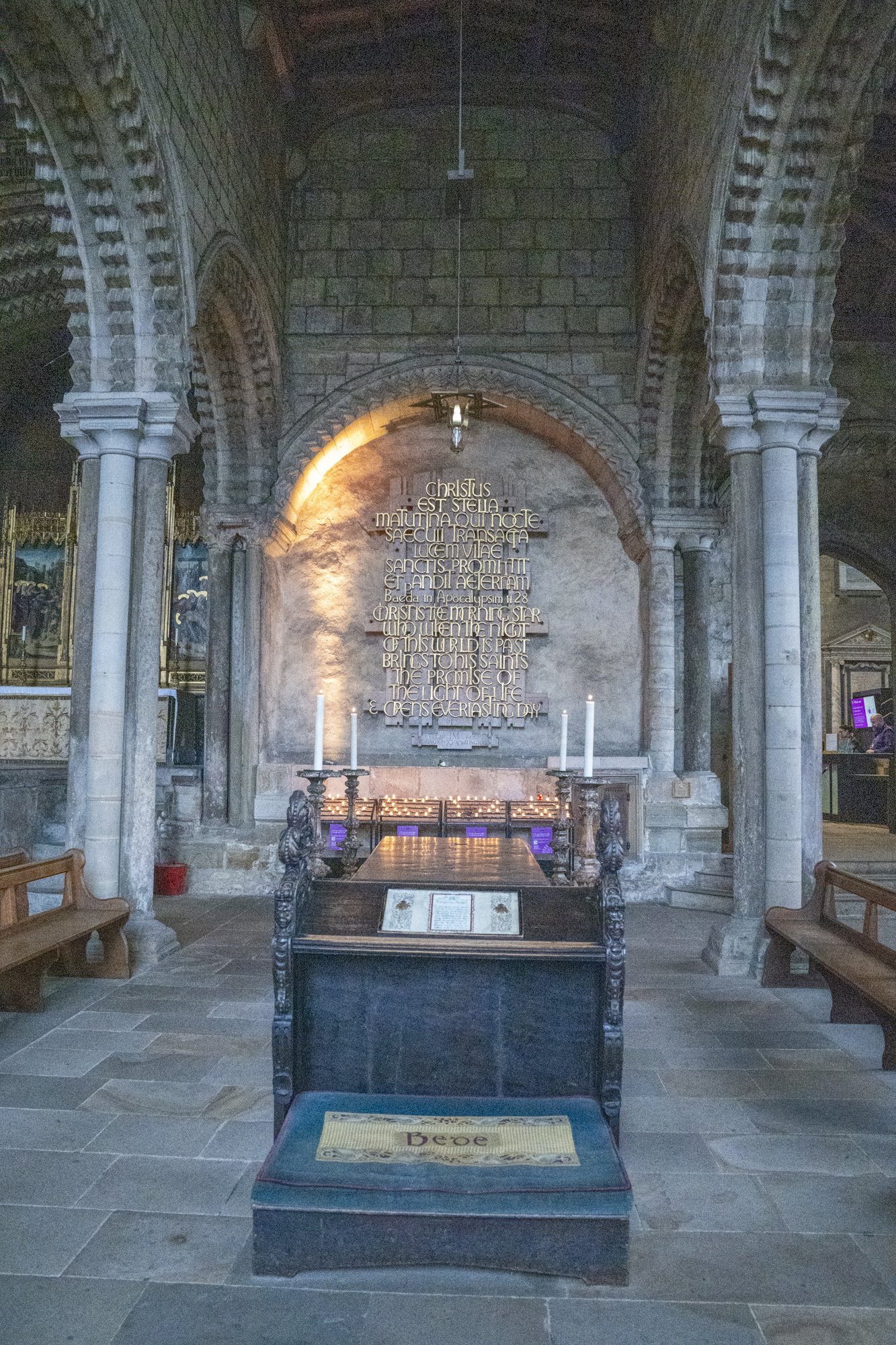
Tomb of Bede
For someone who enjoys photographing old buildings, Durham Cathedral is definitely worth a visit. There are the obvious wide architectural shots, but also countless smaller details — arches, windows, carvings and textures — that make it easy to spend a few hours with a camera.
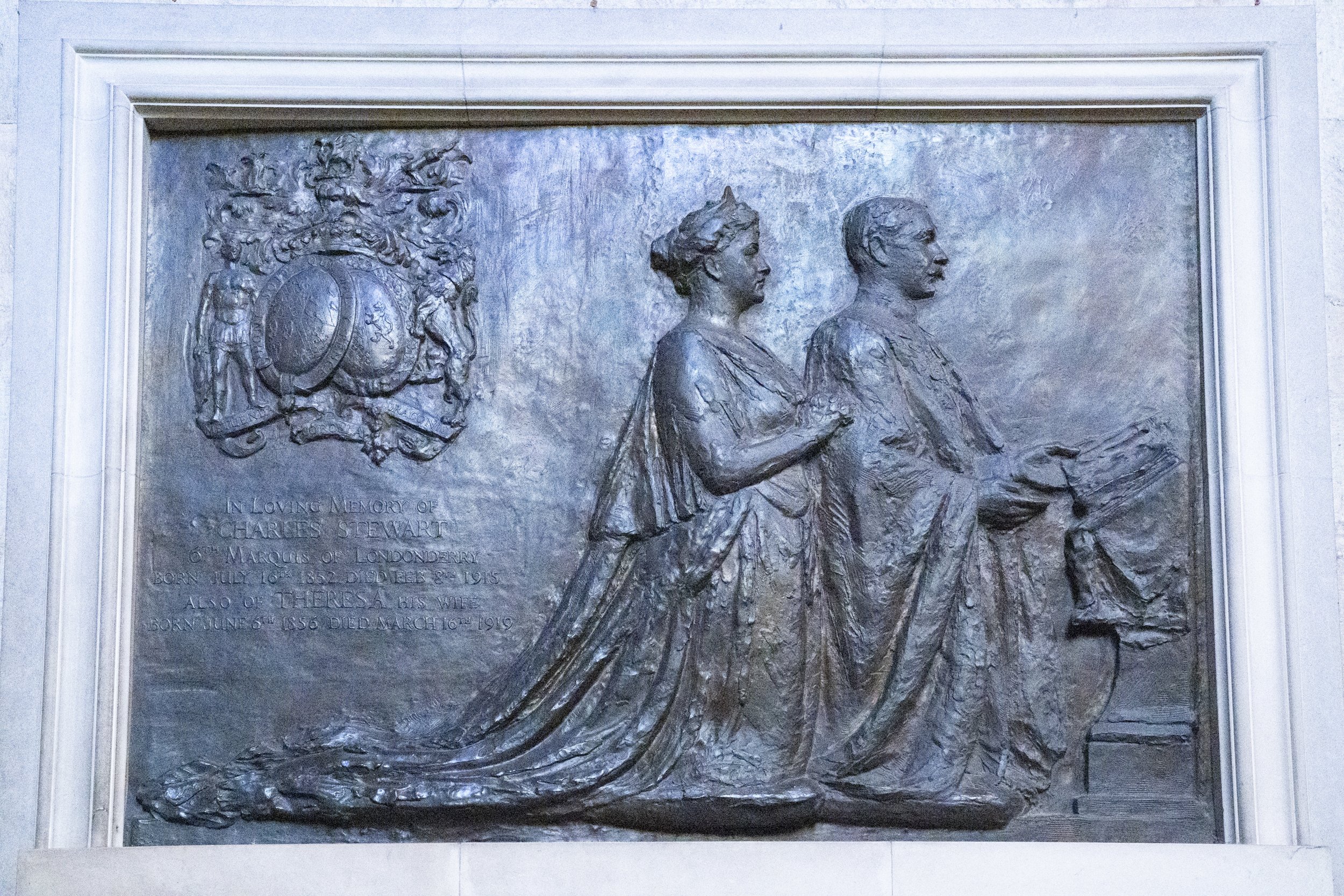
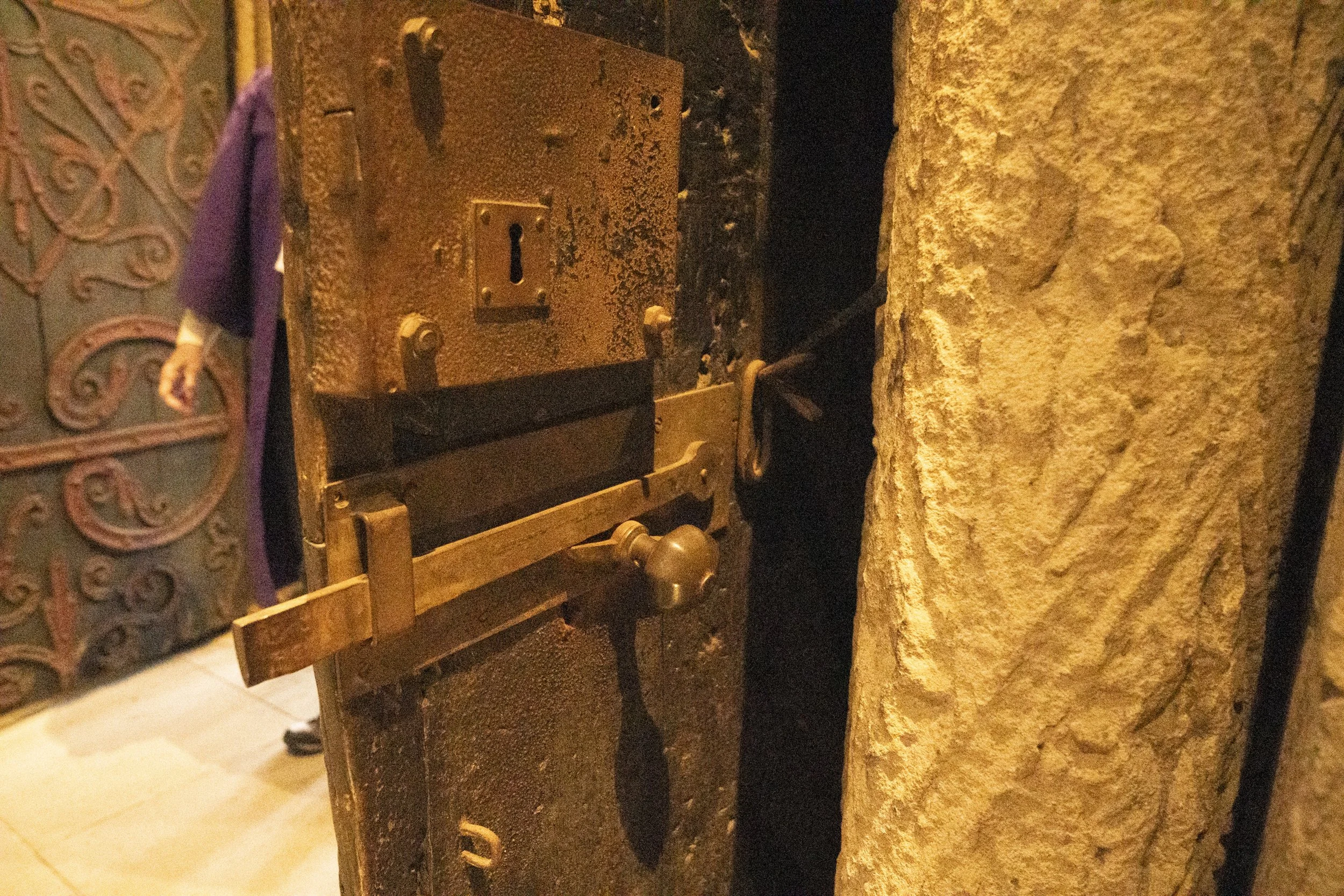
After visiting Finchale Priory, it was interesting to see the story of County Durham continue from the smaller, quieter ruins of Finchale to the grandeur of Durham Cathedral.
Two very different places, but both with an incredible amount of history to explore.